
(Berlin / Germany) – Storing hydrogen ensures that surplus energy from renewable sources is used efficiently and is available when energy demand is high. Integrating this infrastructure into the national and European energy system will enable Germany to guarantee security of supply and grid stability in the long term and significantly reduce its dependence on fossil fuels, according to the "White Paper on Hydrogen Storage," published by the Federal Ministry for Economic Affairs and Climate Action shortly before the change of government.
The "White Paper on Hydrogen" was published in April, before the change of government. © BMWK
"Through its strategic focus on storage solutions, research, and market integration, the hydrogen storage strategy aims to lay the foundation for a successful and climate-neutral future and demonstrate how Germany can also play a leading role globally on the path to climate neutrality and security of supply," say the authors of the 64-page study. The key findings:
Potential: Germany possesses significant geological potential for hydrogen storage. In particular, repurposing existing underground natural gas and oil storage facilities could be a fast and cost-effective way to meet the rapidly increasing storage demand from 2030 onward. Long-term storage facilities, especially salt caverns, would form the backbone of the system and enable seasonal energy storage. If these potentials are properly utilized, Germany could assume a leading role in storage technologies.
Synergies in the European market: Germany's integration into a European hydrogen network and cooperation with EU partners strengthened security of supply and created synergies through shared infrastructure and storage solutions. Harmonised regulations and common standards promoted cross-border hydrogen trade and improved economic viability.
Innovation and research: Continuous research and development are essential to increase the efficiency of hydrogen storage, reduce costs, and ensure the safety of storage systems. Targeted innovation funding will drive technological advancements that could establish Germany as a leading location for hydrogen technologies.
Flexibility and security of supply: The expansion of the hydrogen storage infrastructure creates the conditions for flexible use of the energy carrier and ensures security of supply even in times of high demand or low electricity generation from renewable energies.
However, volume and price risks at the beginning of the market ramp-up could hinder investments. Consistent support for the hydrogen demand side would reduce uncertainty for investors and promote a demand-oriented storage supply.
Measures for long-term goals
Various scenarios (BMWK long-term scenarios, EWI models, and INES market survey) indicate a sharp increase in demand for hydrogen storage. Storage demand is expected to reach two to seven terawatt hours (TWh) by 2030, which could rise to 2045 to 76 TWh by 80.
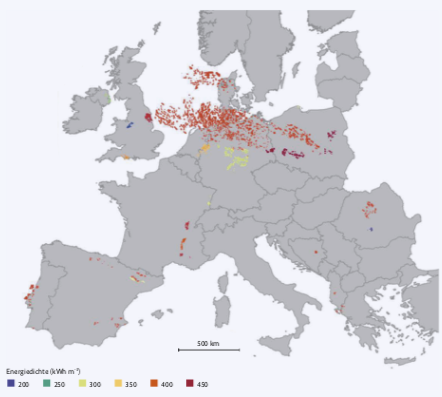
Potential of salt caverns as hydrogen storage in Europe. © From: "White Paper on Hydrogen", BMWK
The main driver of this increase is the use of hydrogen in industry and in power plants for reconversion into electricity. The scenarios result in a storage requirement of up to 2050 TWh across Europe by 161. To develop a successful hydrogen storage strategy, the authors call for simplifying, accelerating, and digitizing the approval processes for the construction and operation of hydrogen storage facilities. These measures are "particularly important for responding in a timely manner to the increasing demand for hydrogen and fully exploiting the potential of the hydrogen economy."
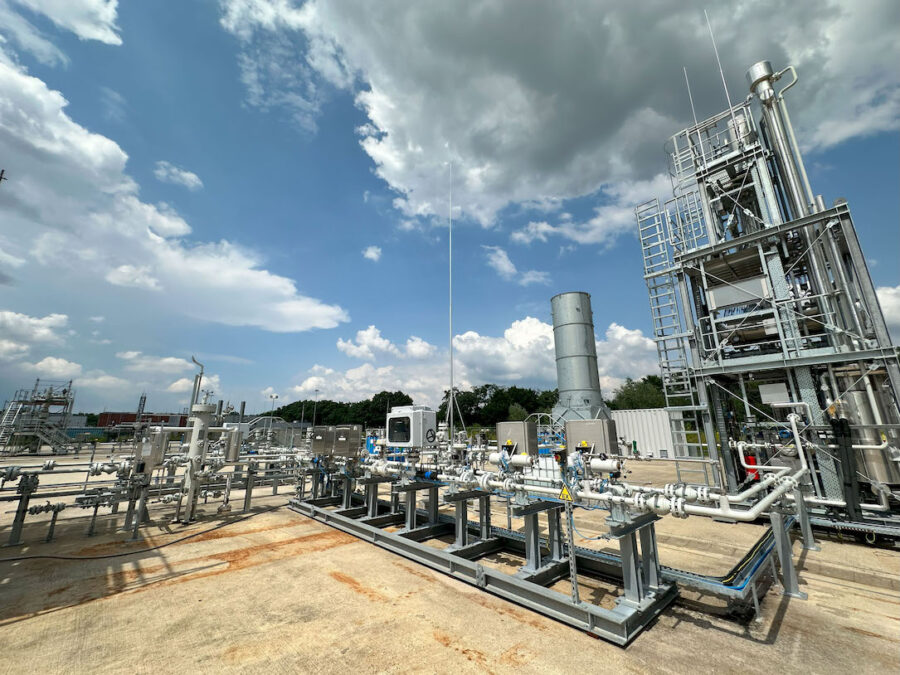
EWE AG has developed a test cavern for hydrogen storage at a depth of 1.000 meters near Rüdersdorf, Brandenburg, and completed the tests in December 2024. According to EWE, with 37 salt caverns, it has 15 percent of all German cavern storage facilities suitable for hydrogen storage. © EWE AG
Furthermore, the introduction of regulated access to hydrogen storage facilities starting in 2026 would promote competition and increase transparency. Uniform access criteria and pricing methods would provide investors with planning security and create "a fair, competitive market environment." Incentives are also necessary "for the sensible use of hydrogen in industry, mobility, and energy."
Increased demand creates planning security for storage projects and strengthens the economic framework for the hydrogen economy. "Since the hydrogen market is still in an early development phase and future requirements, market dynamics, and regulatory frameworks are not yet fully foreseeable, market developments and financing needs must be continuously monitored," the paper states. To ensure that the market adapts flexibly to changing conditions, costs, operating methods, and the regulation of funding approaches must be continually re-evaluated and adjusted accordingly.
Europe-wide harmonization necessary
European harmonization and integration into a European hydrogen network are also "crucial for security of supply and international competitiveness." Germany should therefore intensify European cooperation and actively support the expansion of the "European Hydrogen Backbone" "in order to create a sustainable, cross-border hydrogen infrastructure."
The implementation of this White Paper will promote Germany's competitiveness, create jobs, and strengthen its technological and innovation leadership in the field of renewable energies and the hydrogen economy, the authors conclude: "Germany will not only become a pioneer in hydrogen storage and use, but also a model for a sustainable energy infrastructure in Europe and beyond."
The “White Paper on Hydrogen Storage” is available free of charge as a PDF (64 pages).
Photo above
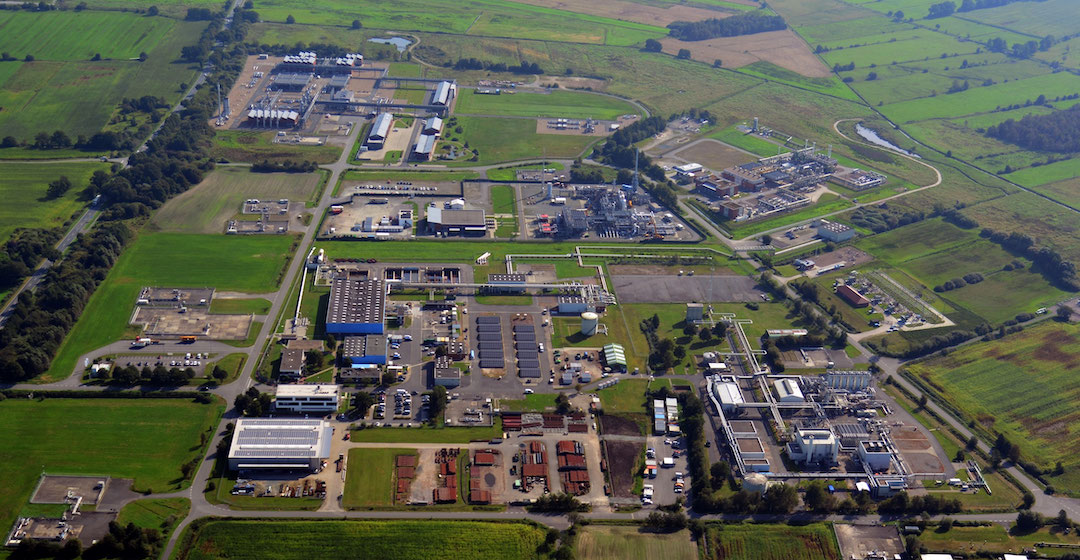
In Etzel, Lower Saxony, the Dutch energy company Gasunie and Storag Etzel GmbH are currently filling two salt caverns with hydrogen (we reportedThe conversion of existing underground natural gas and oil storage facilities to hydrogen storage facilities could cover approximately 2040 to 20 percent of Germany's storage needs by 50. The repurposing and technical conversion of salt caverns could be completed within six years, with the construction period taking approximately three years, according to the "White Paper on Hydrogen Storage." New construction projects, in contrast, require up to twelve years. © Storag Etzel GmbH



