
(Berlin / Germany) – Indonesia offers a promising market for green hydrogen applications. Southeast Asia's largest economy has extensive sources of renewable energy, enabling hydrogen production via electrolysis. The country's geographic location, "its strong industrial base, and its importance as a maritime trading hub strengthen the long-term potential for the domestic use of green hydrogen and for export," according to a country analysis by the Export Initiative Energy of the Federal Ministry for Economic Affairs and Energy (BMWi).
Study: Investors can contribute to the development of Indonesia's hydrogen economy. © BMWE / GIZ
According to the report, green hydrogen could complement Indonesia's energy transition, strengthen energy security, open up export opportunities, particularly with regard to Asian markets such as Japan and South Korea, and contribute to the decarbonization of industry. The country possesses one of the world's largest geothermal reserves and significant solar energy potential. This provides "a reliable and sustainable foundation for hydrogen production." This would reduce dependence on imported fuels and increase the resilience of the energy supply. The ammonia and fertilizer production, steelmaking, and petrochemical industries are particularly well-suited for hydrogen use.
Electrolysis and infrastructure are in demand.
German companies specializing in electrolysis, hydrogen storage, and the integration of renewable energies could position themselves well in the early project phases. Furthermore, as a "significant economic power and trading hub," Germany offers opportunities for companies in port infrastructure, hydrogen transport, and logistics.
The authors of the study cite the following as a particular challenge:
- The availability of cheap fossil fuels such as coal and natural gas domestically could delay the transition to green hydrogen.
- Additional investments are needed to build a hydrogen infrastructure, which is made more difficult by the country's geographical fragmentation.
- A clear regulatory framework for hydrogen development is still in the works, which companies must factor in as political risks for long-term investments.
- The currently high costs for the production of green hydrogen compared to conventional energy carriers represent a hurdle.
However, companies that position themselves early could contribute to shaping the emerging market and simultaneously benefit from Indonesia's long-term energy transition and industrial modernization. One conclusion of the study: "Through targeted investments, innovations, and policy participation, German companies can play a key role in Indonesia's future hydrogen economy."
Sector analysis “Indonesia – Green Hydrogen for the C&I Sector” It is available free of charge as a PDF (English, 65 pages). It is published by the German Society for International Cooperation (GIZ) GmbH.
We are presenting the country analyses for hydrogen markets from the Export Initiative Energy of the German Federal Ministry for Economic Affairs and Energy (BMWi) in a loose series. Published so far: Norway; Great Britain; Vietnam ; Jordan; Canada; South Africa; Namibia.
Photo above
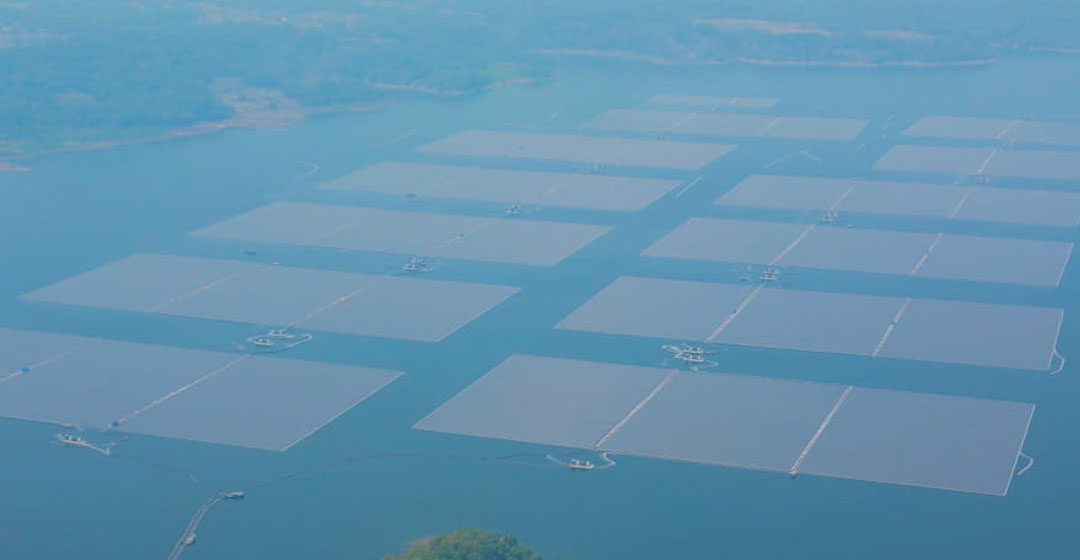
Indonesia has great potential for renewable energies: In 2023, the Abu Dhabi Future Energy Company PJSC (Masdar) inaugurated a floating photovoltaic power plant on the Cirata Reservoir (Java) with an installed capacity of 145 megawatts. © Masdar



