
(Berlin, Germany) – Vietnam's favorable geographic location, the expansion of its export infrastructure, and its increasing integration into global supply chains have strengthened its prospects as a future production and export location for green hydrogen. The country possesses abundant renewable energy resources, particularly in photovoltaics, onshore and offshore wind power, and a diversified industrial sector, including fertilizers, chemicals, steel, and oil refining. "These sectors offer great potential for the use of hydrogen," according to an analysis by the Export Initiative Energy of the Federal Ministry for Economic Affairs and Energy (BMWi).
The study assesses the feasibility of integrating green hydrogen into the country's commercial and industrial (C&I) sector. According to the study, hydrogen could serve as a...
- Decarbonization of industry, for example through integration into processes such as oil refining, ammonia production and steelmaking
- Strengthening energy security, for example through diversification of the energy mix and reduction of dependence on fossil fuels.
- Creating export opportunities, for example by utilizing infrastructure and trade relationships, to position Vietnam as a regional export hub.
This would offer "attractive opportunities" for small and medium-sized enterprises (SMEs), especially in the areas of renewable energies, electrolysis, industrial integration and infrastructure development.

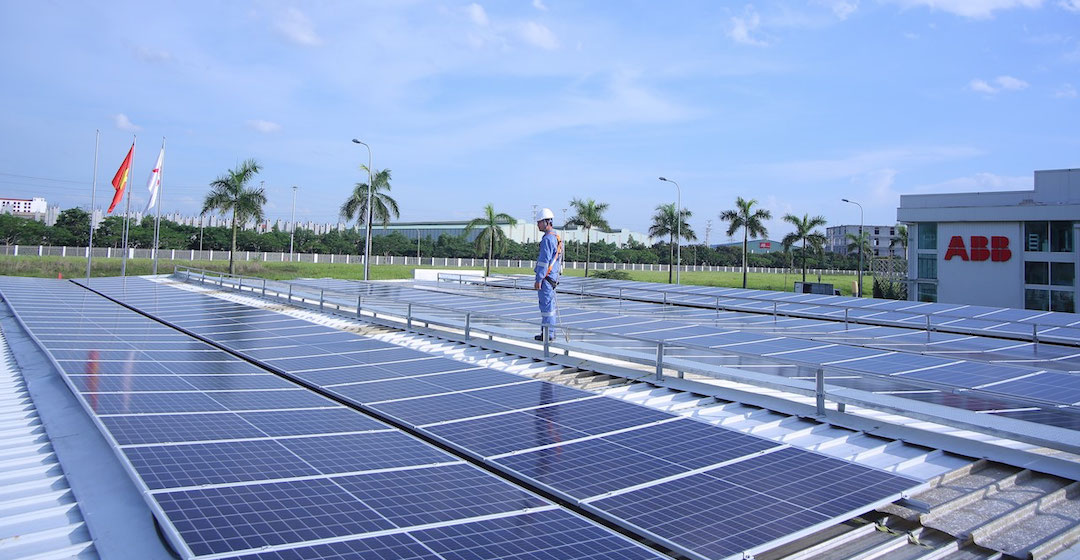
251119 – Market analysis: Vietnam offers great potential for green hydrogen, particularly due to the favorable conditions for renewable energies. © BMWE
The study identifies Vietnam's large solar and wind resources as key advantages, providing a solid foundation for green hydrogen production. German companies with expertise in photovoltaics, wind technologies, and electrolyzers are well-positioned to support project development. Furthermore, industrial sectors such as fertilizers, chemicals, steel, and oil refining offer immediate applications for green hydrogen. Through a growing logistics network and port expansion, Vietnam also maintains close ties to important Asian markets. This could enable the country to develop into a regional export hub for green hydrogen and its derivatives, such as ammonia. "Early involvement by German companies in the areas of transport, storage, and port infrastructure can provide them with long-term competitive advantages," the authors conclude.
Challenges for investors
However, there are also some challenges to overcome: The regulatory frameworks for the production, certification, and offtake agreements for green hydrogen are still under development, creating uncertainty for investors. Furthermore, due to the currently higher costs compared to conventional production methods, green hydrogen requires targeted incentives, preferential financing instruments, and collaborations to minimize the risks of early investments. In addition, the hydrogen infrastructure, such as pipelines, storage facilities, and port facilities, is still in its infancy.
The sector analysis “Green Hydrogen: Industrial Applications, Market Potential, and Strategic Opportunities” is available free of charge as a PDF (57 pages). It is published by the German Society for International Cooperation (GIZ).
We are presenting the country analyses for hydrogen markets from the BMWE's Export Initiative Energy in a loose series. Previously published: Norway ; Great Britain.
Photo above
Vietnam offers excellent conditions for photovoltaics: A solar power system on the roof of the Swiss technology group ABB's branch at its high-voltage and distribution solutions plant in Bac Ninh province. © ABB



