

Finland: HD Korea Shipbuilding acquires majority stake in Convion +++ Norway: Norwegian Hydrogen supplies hydrogen to Veidekke asphalt plant +++ USA: DOE funds hydrogen projects in 15 states with $62 million +++ Germany: Federal Cartel Office approves hydrogen joint venture between Voith and Weifu +++ Namibia: GreenGo Energy plans to produce green hydrogen +++ Germany: BAM finds suitable polymers for hydrogen +++ Iceland: Haffner Energy and IðunnH2 secure carbon supply for eSAF project +++ Italy: Enapter receives 5-megawatt electrolyzer orders +++ Norway: DNV grants Corvus Energy type approval for maritime FC system +++ Germany: Kellergroup purchases H2 trucks from Keyou +++ DISCOUNT promotion: Your advertisement on the PtX portal
A selection of PtX topics summarized at the end of the week
+ + + + +
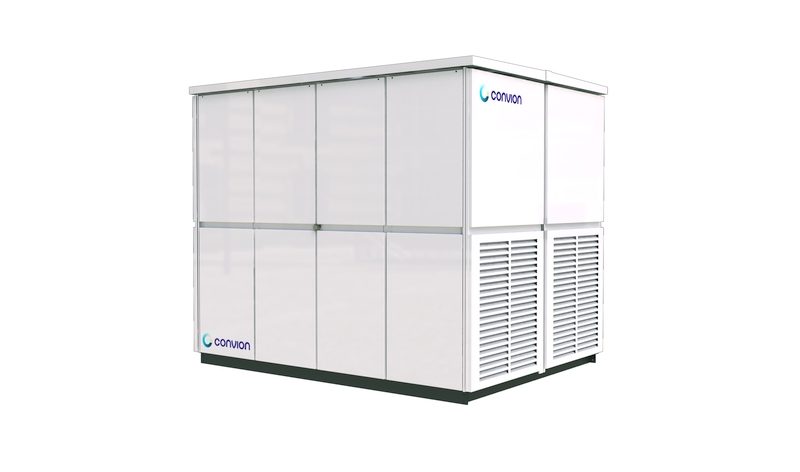
HD Hydrogen takes over the majority of the Finnish fuel cell company Convion. The company's modular generator "C60" can produce electricity and heat from natural gas, biogas or hydrogen. © Convion Oy
(Finland) HD Hydrogen, a subsidiary of HD Korea Shipbuilding & Offshore Engineering (HD KSOE), is acquiring a majority stake in Convion Oy, a fuel cell technology company, for €72 million. The merger will enable HD Hydrogen to further develop solid oxide fuel cells, electrolysis, and other hydrogen technologies, thereby increasing its competitiveness. Convion, founded in 2012 and headquartered in Espoo, Finland, specializes in commercial and industrial high-temperature fuel cell and electrolyzer systems based on solid oxide fuel cell (SOFC) and solid oxide electrolyzer (SOEC) technology. HD KSOE is the marine and offshore holding company of HD Hyundai.
+ + + + +
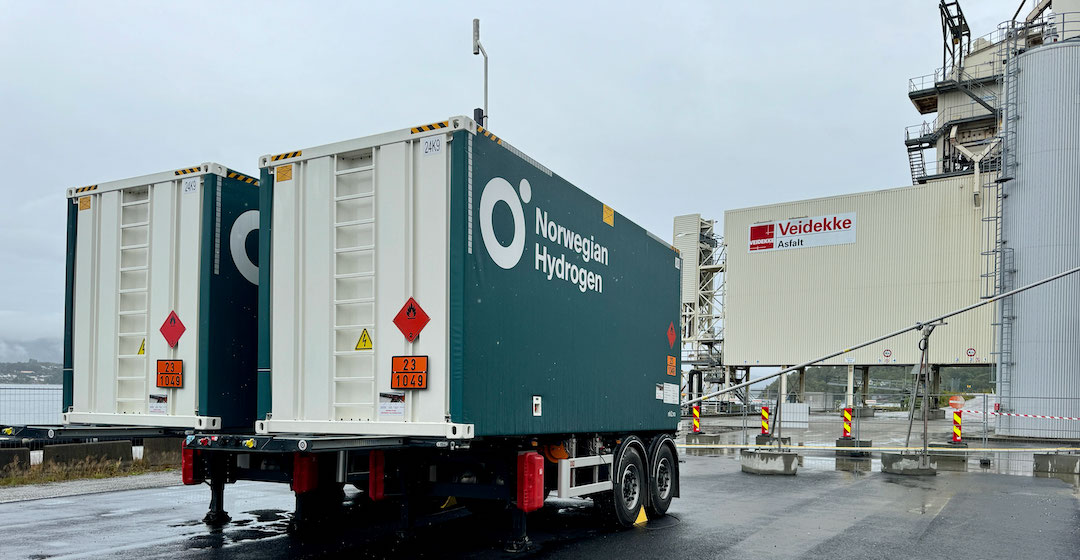
Delivery of hydrogen to Veidekke's new asphalt plant in Ålesund. © Norwegian Hydrogen AS
(Norway) Scandinavia's largest construction company, Veidekke, has signed a contract with Norwegian Hydrogen AS to supply green hydrogen to its newly opened asphalt plant in the port city of Ålesund. Asphalt plants require significant amounts of thermal energy, typically using climate-damaging fuels such as natural gas, propane, diesel, and biodiesel. In Norway alone, asphalt production generates approximately 400.000 tons of CO2 emissions annually. Norwegian Hydrogen already supplies green hydrogen to Veidekke's first asphalt plant in Kristiansund, as previously reported. Earlier this year, it was stated that this plant was the "world's first" to produce asphalt exclusively using hydrogen as the energy carrier for the heating process.
+ + + + +
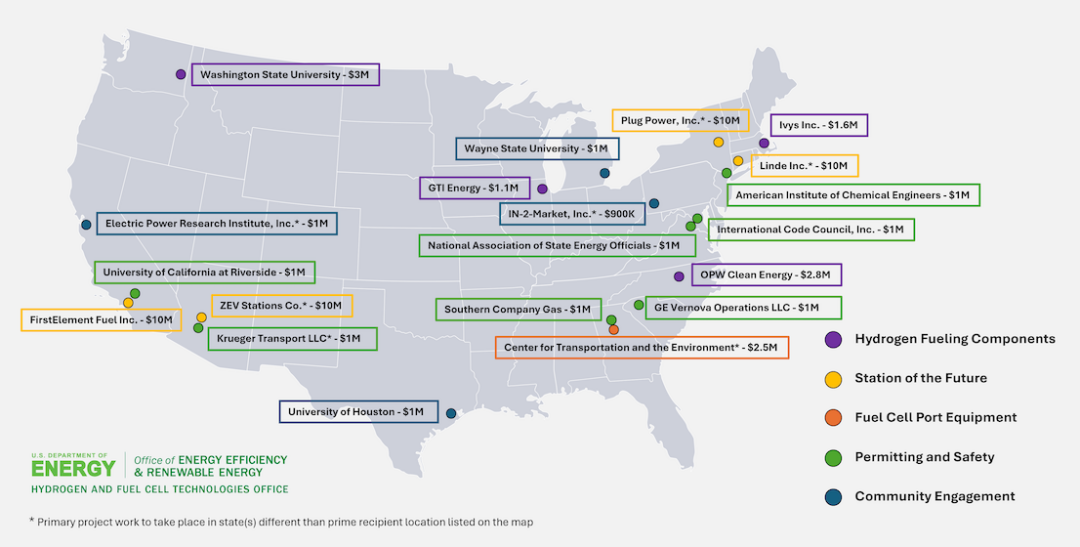
The DOE is funding 20 hydrogen projects in 15 US states. © DOE
(USA) The US Department of Energy (DOE) is funding 20 hydrogen projects in 15 states with a total of approximately $62 million (€56 million). According to the DOE, the funds will support research, development, demonstration, and deployment of clean hydrogen technologies. The selected projects cover five areas: components for refueling medium and heavy-duty vehicles (four projects; $8,5 million total); standardized hydrogen refueling stations (four projects; $40 million); fuel cell-powered port equipment (one project; $2,5 million); and permitting and safety for hydrogen deployment (seven projects; $7 million). Additionally, under the heading "Community Engagement," four projects will receive a total of $3,9 million to conduct "engagement activities for disadvantaged communities," such as educating them about hydrogen use, job creation, and energy decarbonization options. A tabular overview of the funded projects can be found on the DOE website.
+ + + + +
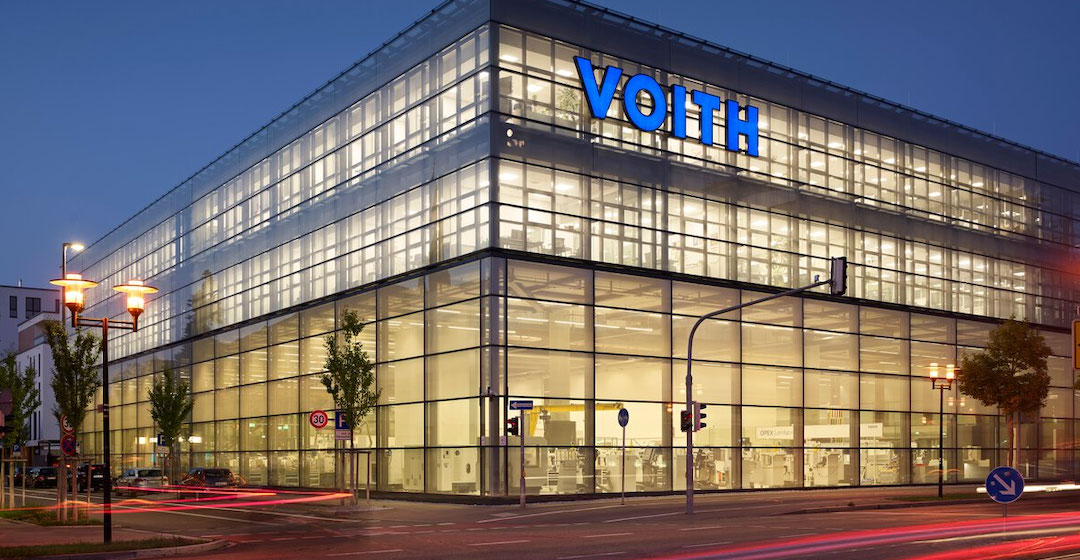
Voith and Weifu receive the green light from the Federal Cartel Office for the production of hydrogen tanks and storage systems for heavy vehicles in China. © Voith GmbH & Co. KGaA
(Germany) The Federal Cartel Office has cleared the establishment of two joint ventures in the field of hydrogen technology between the Voith Group and Weifu High-Tech Group Co., Ltd. under merger control regulations. The joint ventures will manufacture and distribute hydrogen tanks and storage systems for heavy vehicles. One of the companies will operate in China, the other in the global market (excluding China). "Hydrogen-based drive solutions in freight transport are still in a relatively early stage of their commercialization," says Andreas Mundt, President of the Federal Cartel Office. "How large the market for this will actually become in the course of the decarbonization of the transport sector remains to be seen." He added that "we have no indications of a concentration that raises concerns about competition." The Weifu Group has not previously been active in the field of storage systems. A cooperation agreement was already signed in the summer (as we reported), but was still subject to approval by the Federal Cartel Office. Voith GmbH & Co. KGaA, based in Heidenheim, is family-owned and has production facilities in Korea, Algeria, Angola, and Argentina. The group has over 22.000 employees and offers machinery and technologies, particularly for the energy, paper, raw materials, and transportation sectors. The Weifu Group, a Chinese automotive supplier with more than 7.000 employees, is controlled by the state-owned Wuxi Industry Development Group (WXIDG). This group comprises 33 subsidiaries and holding companies, as well as 30 other company investments in the business areas of manufacturing technologies, microelectronics, new energy, new materials, environmental protection, and services.
+ + + + +
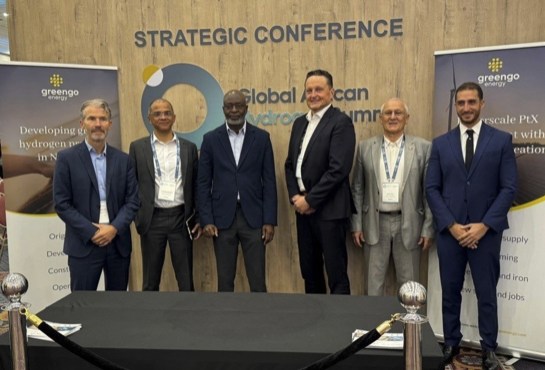
The GreenGo Energy team at the GAH2S in Windhoek, Namibia. 3rd from right: Managing Director and founder Karsten Nielsen. © GreenGo Energy Group (screenshot)
(Namibia) The Danish GreenGo Energy Group signed an agreement at the Global African Hydrogen Summit (GAH2S) in Windhoek, Namibia, to produce "cost-effective green fuels at scale" in the African country. Together with local project developer Innosun Energy Holdings, the company plans to develop solar and wind power projects to produce green hydrogen. Furthermore, a letter of intent has been signed with the local mining company Lodestone to research and integrate green hydrogen into steel production. According to Karsten Nielsen, GreenGo founder and CEO, the company will participate in the upcoming green hydrogen tender in Namibia. The development of the solar, wind, and hydrogen projects will take place under the Megaton product brand. GreenGo has a pipeline of solar, wind, storage, and power-to-X projects with a capacity of more than 35 gigawatts in the USA, Europe, and Africa. GAH2S is an industry forum focused on the future of hydrogen in Africa.
+ + + + +
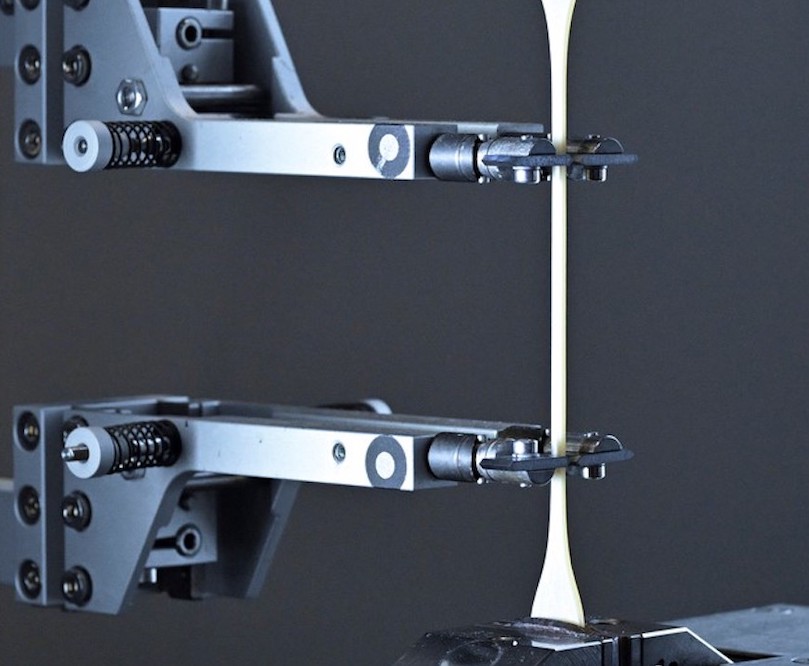
The Federal Institute for Materials Research and Testing has also subjected elastomer materials to stress tests. © BAM
(Germany) The Federal Institute for Materials Research and Testing (BAM) has identified elastomers well-suited for hydrogen applications as part of the international collaborative project "Polymer4Hydrogen." Until now, it has been largely unexplored which polymers can be safely used in electrolyzers, tanks, pipelines, and fuel cells for reliable seals, lines, valves, or membranes in hydrogen environments. This is because the green energy carrier is stored under extreme pressures of up to 1.000 bar. Furthermore, the hydrogen molecule is very small and can easily penetrate materials. Therefore, materials must meet particularly high safety requirements to prevent leaks and accidents. Elastomers are materials characterized by high elasticity, flexibility, tightness, and durability, according to BAM. However, initial investigations have also revealed elastomers to be susceptible to problems. A particular risk is "rapid gas decompression," which occurs when there is a sudden pressure drop, for example, during refueling from a high-pressure storage tank into a pipeline. Hydrogen molecules, which had previously penetrated elastomer seals under extremely high pressure, now accumulate in existing cavities. This causes the material to swell. This swelling, in turn, can lead to micro-defects and cracks in the plastic and to hydrogen leakage. The industry has modified synthetic elastomers. At BAM, several of these materials were tested for their resistance. The results showed "that plasticizers enhance the effect of rapid gas decompression." The best performance was achieved by a rubber reinforced with carbon black particles. This material was selected for further development.
+ + + + +

IðunnH2 is building an eSAF production facility near Keflavik Airport. © Haffner Energy
(Iceland) Haffner Energy and IðunnH2 have signed an agreement to secure the carbon supply for Iceland's largest eSAF project. The technology developed by Haffner will be integrated into a new eSAF plant operated by IðunnH2. The project is located near Keflavík International Airport and will combine green hydrogen with biogenic carbon to produce sustainable aviation fuel (eSAF). Biogenic carbon is typically biogenic CO2, which is expensive to capture, transport, and store. This cost problem is often exacerbated because large-scale hydrogen and e-fuel projects are frequently located in areas with good access to renewable energy but limited access to biogenic carbon. Haffner Energy will now provide solid biocarbon, which will be gasified on-site, fundamentally changing the economics of eSAF production. The agreement will help “not only to reduce emissions, but also to lessen Iceland’s dependence on imports, improve air quality around Keflavík Airport, and increase energy security,” says Auður Nanna Baldvinsdóttir, co-founder and CEO of IðunnH2. The 300-megawatt eSAF plant in Helguvík will have a capacity of 65.000 tons per year upon completion. The fuel will be blended with conventional jet fuel and used in existing fleets and infrastructure. Production is scheduled to begin in 2028 and will cover 15 percent of Iceland’s projected total jet fuel demand. Icelandair will use up to 45.000 tons per year.
+ + + + +

Enapter receives orders for electrolyzers with a capacity of five megawatts in Italy. © Enapter AG
(Italy) Opificio Idrogeno Marche (OIM) has ordered four AEM multicore electrolyzers, each with a capacity of one megawatt, from Enapter AG. According to the company, the systems are intended for the Marche region in eastern Italy, where one of 52 state-funded "Hydrogen Valleys" is currently being developed. Plans there include the construction of a hydrogen production plant powered by renewable energy and a hydrogen refueling station. Enapter will also supply another megawatt electrolyzer to the Italian energy company FMC srl, based in the Montefusco region. FMC produces photovoltaic modules and will use the "AEM Nexus" to build a hydrogen production plant in the industrial zone of Avellino. The energy carrier produced using solar power will be distributed for industrial purposes. In the second phase, the company plans to build a refueling station directly connected to FMC's production facility via a pipeline. According to Enapter, the two contracts have a total value in the seven-figure euro range. The equipment will be delivered in 2025. As part of the Italian government's state-funded Hydrogen Valleys initiative, Enapter has now concluded binding contracts with a volume of 11,5 megawatts. The company expects "further orders to follow within the context of this government development plan."
+ + + + +
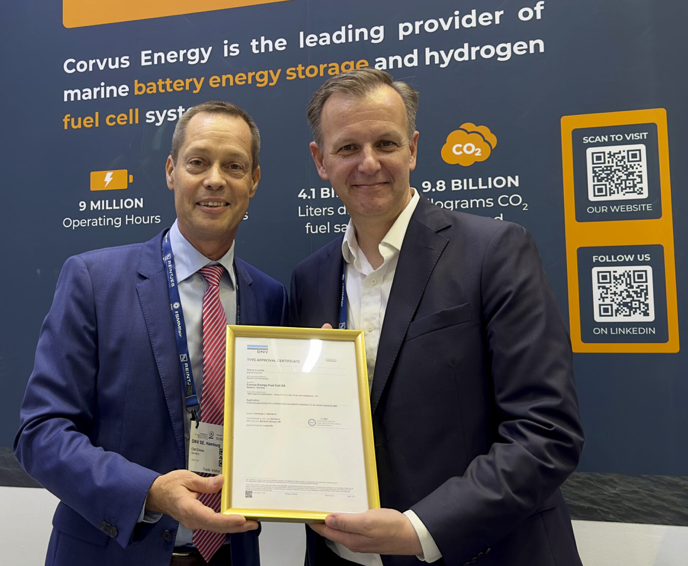
Corvus Energy received the DNV certificate at the SMM congress fair in Hamburg. © Corvus Energy
(Norway) Corvus Energy has received type approval from the Norwegian certification company DNV (Det Norske Veritas) for its "Pelican" fuel cell system. This confirms that it "meets the strictest performance and safety standards required by the shipping industry," according to the company. The system is based on a PEM fuel cell module from Toyota. The Norwegian government supported the development through the financing company "Innovation Norway" and the state-owned research institution "Research Council Norway." The system was developed as part of the three-year H2NOR project for the development and production of PEM fuel cells for the maritime sector. In addition to Toyota Motor Europe, the consortium includes Equinor, Norled Wilhelmsen, the ship designer LMG Marin, USN, and Maritime Cleantech. Corvus's first fuel cell system can now be installed on board the MS Skulebas. The 35-meter-long fishing and training vessel already has a battery system with a capacity of one megawatt-hour. By installing the Corvus system and hydrogen storage, the ship can operate emission-free for four days. Corvus had already supplied the batteries for the liquid hydrogen-powered ferry "MF Hydra" operated by the shipping company Norled AS, which began regular service in April (as we reported ).
+ + + + +
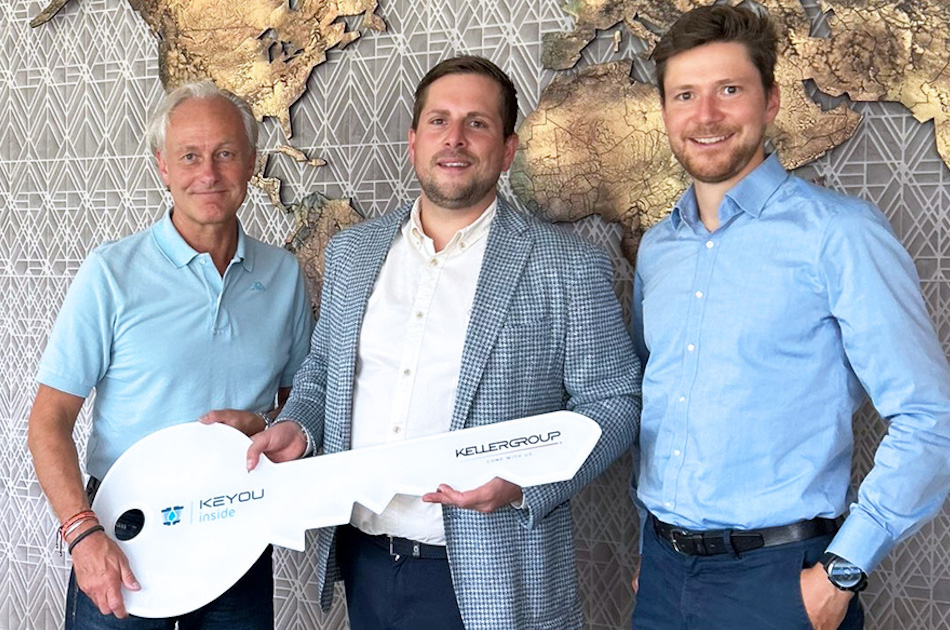
Symbolic key handover (from left): Jürgen Nadler, CMO Keyou, Patrick Kerch, Managing Partner Kellergroup and Georg Volpert, Head of Product Management Keyou. © Keyou GmbH
(Germany) The logistics company Kellergroup, headquartered in Ditzingen, Baden-Württemberg, is acquiring a hydrogen-powered truck from Munich-based Keyou GmbH. The 18-ton truck, based on a Daimler Actros chassis, is expected to be deployed by the logistics provider starting in spring 2025 for an unnamed "major automaker" from southern Germany. It will operate on a defined route and utilize the H2 refueling station in Sindelfingen. Keyou offers "H2 Mobility as a Service." This includes the vehicle, a comprehensive maintenance package, fully comprehensive insurance coverage, and, if needed, the fuel itself. Customers pay a fixed price per kilometer, agreed upon based on their annual mileage. The vehicle is classified as a zero-emission vehicle according to EU standards and is exempt from truck tolls. Keyou states that it is currently focusing on further developing and adapting its system for the 40-ton heavy-duty truck segment.
+ + + + +
DISCOUNT promotion: Your ADVERTISING on the PtX portal
Photos
iStock / © Danil Melekhin



