

India: Investments of $92 billion planned for green hydrogen +++ Austria: Ministry of Economic Affairs is surveying companies about the EU hydrogen auction until September 5th +++ South Korea: Hyundai continues to focus on hydrogen-powered passenger cars +++ Sweden: Metacon completes delivery of 50 MW electrolyzers to Motor Oil Hellas +++ Germany: ABO Energy and ITM Power agree on cooperation +++ Germany: H2PopUpLab in Gelsenkirchen +++ Finland: Asahi Kasei delivers electrolyzer to Cefmof hydrogen filling station +++ Germany: TU Braunschweig gets a research platform for hydrogen technologies +++ USA: Oracle relies on fuel cells for AI data centers +++ Germany: Four infrastructure companies from the Rhine-Ruhr region pool their hydrogen expertise +++ China: 1.000 gigawatts of installed solar power capacity surpassed
A selection of PtX topics summarized at the end of the week
+ + + + +

The National Green Hydrogen Mission aims to make the country a global leader in the production and supply of green hydrogen. © India Gov
(India) India plans to invest $92 billion in green hydrogen, creating half a million jobs. "We want to make India not only a major producer but also a global hub for the export of green hydrogen," the South China Morning Post (SCMP) quoted Shripad Naik, Minister of State for Electricity and New and Renewable Energy, as saying. As part of its "National Green Hydrogen Mission," launched in 2023, the country aims to capture ten percent of the global market by 2030 and produce five million tons of hydrogen annually, according to the Hong Kong-based newspaper. This is expected to reduce fossil fuel imports by $11 billion and carbon emissions by 50 million tons per year. The report states that orders have already been placed for electrolyzers with a capacity of 3.000 megawatts and a production capacity of 862.000 tons. A recently published report by Ernest Young predicts that India will see a roughly 40 percent reduction in green hydrogen production costs by 2030, to between $3,00 and $3,75 per kilogram. The global hydrogen market is expected to grow from $8,8 billion in 2024 to nearly $200 billion in 2034. India's green hydrogen exports could reach $3 billion to $5 billion annually over the next decade, according to the newspaper.
+ + + + +

The Austrian Ministry of Economic Affairs is surveying companies about their experiences with the Hydrogen Bank auctions. © Federal Ministry for Economic Affairs, Energy and Tourism (BMWET)
(Austria): The Federal Ministry for Economic Affairs, Energy and Tourism (BMWET) has launched a survey on the funding modalities of the third auction of the European Hydrogen Bank. The BMWET aims to analyze the experiences of Austrian companies with the previous second auction, the national funding system, and the overall process in order to use the insights gained to optimize future funding instruments at both the European and national levels. The questionnaire from the Austrian Energy Agency takes approximately 15 minutes to complete, and the results will be published exclusively in anonymized form. The survey is conducted online via the European Commission's EUSurvey website and closes on September 5, 2025.
+ + + + +
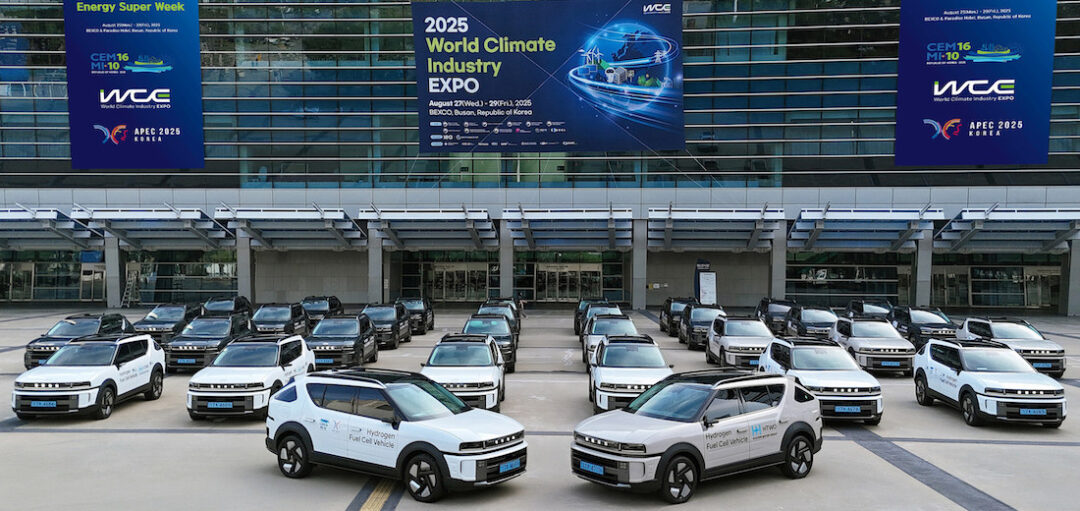
Hyundai reaffirmed its hydrogen ambitions at the APEC ministerial meeting and provided officials with 32 Nexus FCEVs. © Hyundai Motor Group
(South Korea) The Hyundai Motor Group continues to focus on fuel cell-powered vehicles. The company reaffirmed this commitment at the 16th Clean Energy Ministerial Conference (CEM16) in Busan, emphasizing the need for cooperation between government and industry "to accelerate the energy transition." Hydrogen plays "a key role in improving energy resilience and fostering industrial innovation," said Ken Ramirez, Head of the Energy & Hydrogen Business Division. Hyundai sponsored CEM16 and the Asia-Pacific Economic Cooperation (APEC) Energy Ministers' Meeting, providing 32 Nexus fuel cell SUVs as official transportation for ministerial officials.
+ + + + +
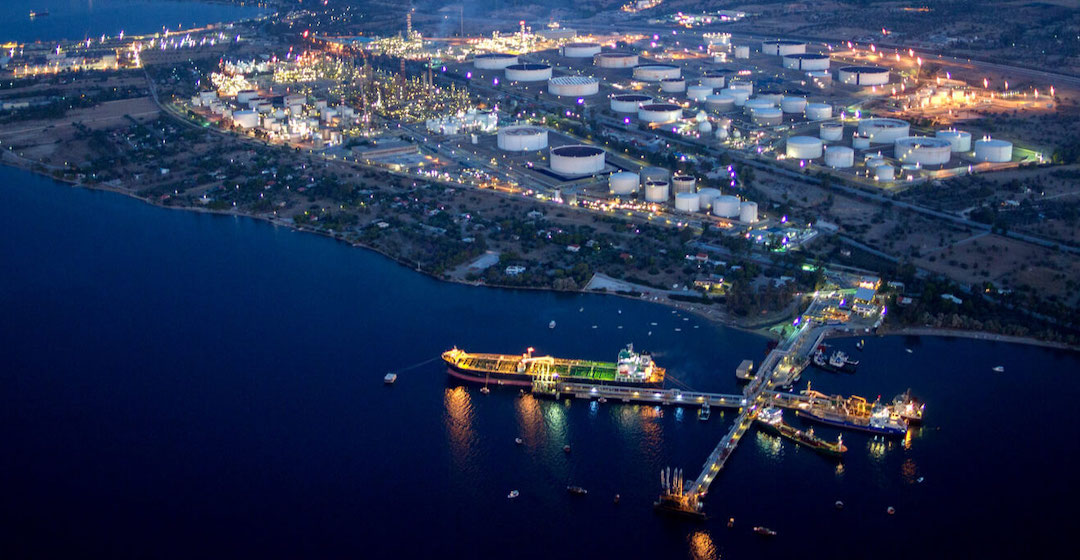
Metacon has delivered 50 MW electrolyzers to the Motor Oil refinery in Corinth. © Motor Oil Group
(Sweden) Electrolyzer manufacturer Metacon AB has completed the delivery of ten 5-megawatt (MW) electrolyzers to Motor Oil (Hellas) Corinth Refineries SA for its refinery in Corinth and has received a payment of €14,9 million. Work on and delivery of further equipment is progressing according to schedule. The companies signed the contract for the delivery of electrolyzers with an initial capacity of 30 MW in August 2024 (as previously reported). At that time, an additional 20 MW was announced and contractually secured in March 2025. Metacon develops and produces energy systems for the production of green hydrogen, complete electrolysis plants, and refueling stations. The Motor Oil Group, consisting of 92 individual companies, has branches in eight countries, markets petroleum products, and operates 1.500 refueling stations in Greece and abroad. The Corinth refinery is reportedly one of the largest in the country. Since the beginning of 2024, Metacon has held the exclusive rights for a number of European countries to manufacture complete electrolysis plants based on the technology of the Chinese company PERIC Hydrogen Technologies Co., Ltd. for alkaline electrolysis modules.
+ + + + +
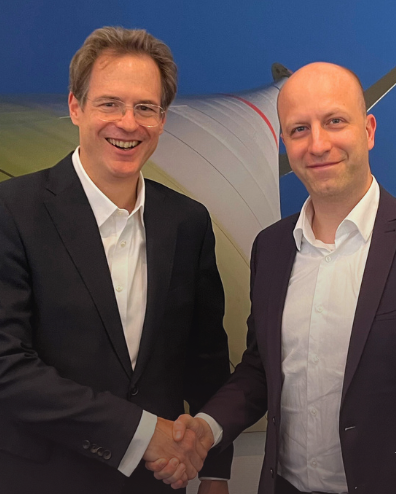
Working together to win customers for electrolyzers (from left): Abo Energy CEO Karsten Schlageter and Dennis Schulz, CEO of ITM Power. © ITM Power plc
(Germany) ABO Energy GmbH & Co. KGaA and the British developer of PEM electrolyzers, ITM Power plc, are planning a collaboration. The partnership will be managed through ITM's new subsidiary, Hydropulse. The "Build-Own-Operate" business model encompasses the installation and operation of electrolyzers. ABO Energy will contribute its contacts with potential industrial customers for green hydrogen, international development experience, and hydrogen projects to the partnership, while Hydropulse will provide its expertise in the construction and operation of modular, containerized production plants. The goal is to offer "Hydrogen-as-a-Service" and "Infrastructure-as-a-Service" across the entire value chain. The companies will develop hydrogen production plants at or near consumption sites. This includes permitting, power supply, engineering, construction, and operation. Hydropulse will build, own, and operate the plants, while ABO Energy will handle the energy supply and development. The focus will be on Europe, with a particular emphasis on Spain and Finland, where low electricity prices make green hydrogen production especially attractive.
+ + + + +
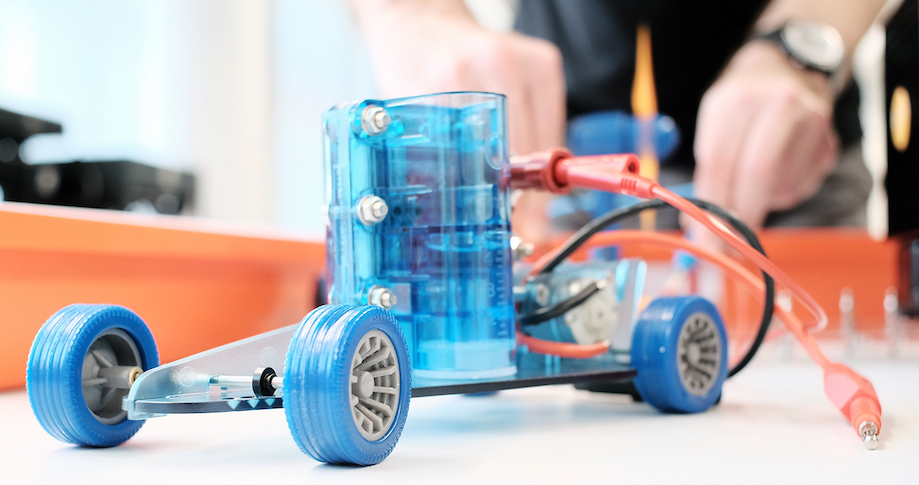
The H2PopUpLab, open until December, offers vivid experiments and information on the topic of hydrogen. © Westfälische Hochschule / IAT
(Germany) In Gelsenkirchen, the "H2PopUpLab" offers visitors the opportunity to conduct popular science experiments, participate in workshops, and learn about hydrogen and the energy transition in an area of approximately 500 square meters until the beginning of December 2025. The lab also features an exhibition space with rotating exhibits and a co-working area. Located in the city center, it is designed as a "participatory laboratory" and invites citizens to engage in dialogue about hydrogen-related topics. The Westphalian University of Applied Sciences, the Institute for Work and Technology (IAT), and the Gelsenkirchen Science Park Projects gGmbH are all involved in the project. The H2PopUpLab plans to host events organized by the Chamber of Industry and Commerce (IHK), workshops for children and young people, as well as conferences and events from the scientific and business sectors (Bahnhofstraße 69, Tuesdays to Saturdays from 11 a.m. to 18 p.m.; contact for your own ideas and events: Jan Ole Diekmann, diekmann@iat.eu).
+ + + + +
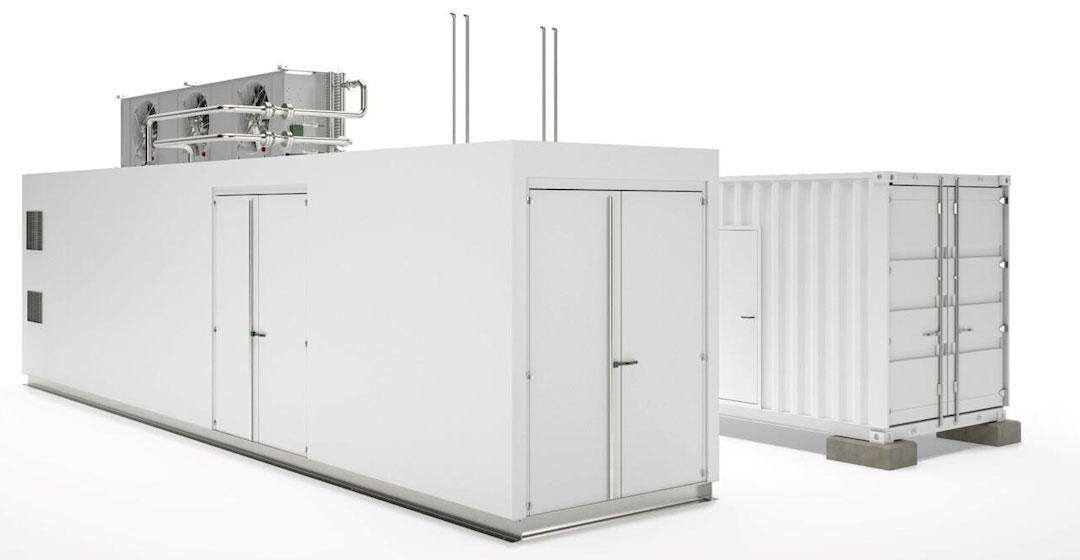
Asahi Kasei's container electrolyzer “Aqualyzer C3”. © Cefmof
(Finland) The Central Finland Mobility Foundation (Cefmof) plans to install an electrolyzer from Asahi Kasei next to the hydrogen refueling station currently under construction in Jyväskylä. The containerized, modular design allows for flexible expansion of production capacity in line with growing hydrogen demand. The unit will be capable of producing enough hydrogen per hour to refuel three fuel cell vehicles (FCVs). Installation is scheduled to begin at the end of 2025, with commissioning planned for the first half of 2026. The new production unit is based on the model of local hydrogen production and use within the same region. The energy carrier will also be used for hydrogen-powered buses in Jyväskylä. According to Cefmof, it is among the first companies in Finland to deploy a containerized alkaline electrolyzer system for hydrogen production on this scale. It was founded by the city of Jyväskylä, the Toyota Gazoo Racing World Rally Team and the Toyota Mobility Foundation, and aims to accelerate the development of sustainable mobility and urban planning through the use of green hydrogen.
+ + + + +
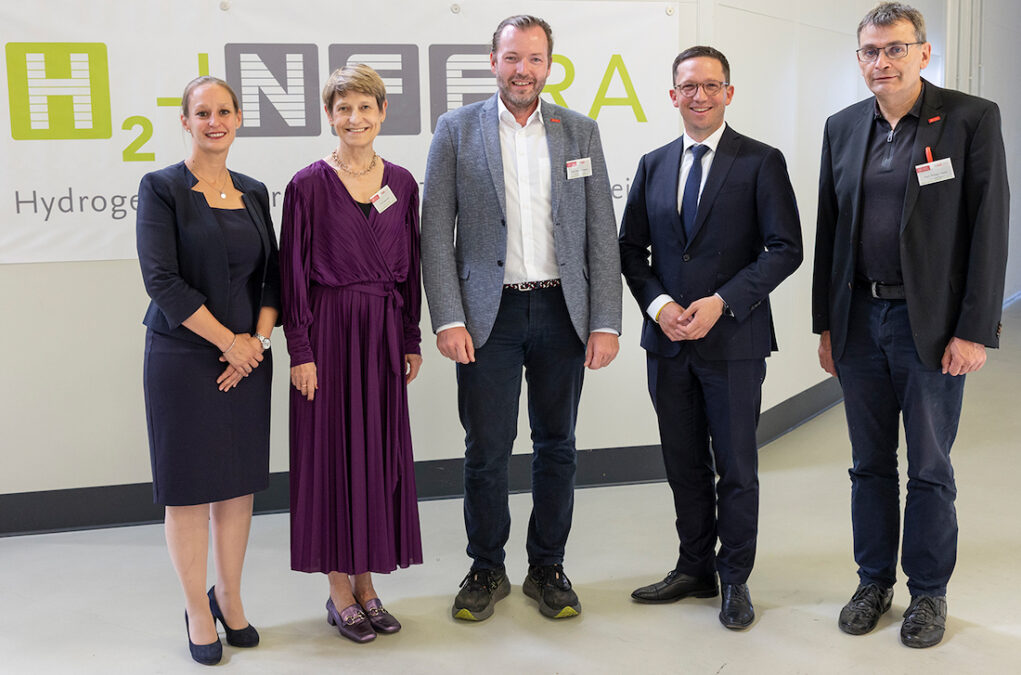
The "H2-Inffra" project receives funding (from left): Sabrina Zellmer (Deputy Director at the Fraunhofer IST and Professor for Battery and Fuel Cell Process Engineering at TU Braunschweig), Angela Ittel (President of TU Braunschweig), Michael Heere (Project Manager, TU Braunschweig), Falko Mohrs (Minister of Science of Lower Saxony), and Thomas Vietor (Spokesperson of the NFF, TU Braunschweig). © NFF / Hobrecht-Kettner
(Germany) A research platform for hydrogen and fuel cell technologies, called "H2-Inffra," is being established at the Technical University of Braunschweig. The goal is "the comprehensive expansion of a hydrogen infrastructure to support both basic and applied research in the field of energy storage and propulsion." Lower Saxony's Minister of Science, Falko Mohrs, has now presented the university and the Fraunhofer Institute for Surface Engineering and Thin Films IST with a grant award totaling approximately €4,3 million, of which €2 million is for the Technical University and over €300.000 for the Fraunhofer IST. Both institutions will jointly utilize the infrastructure of the Lower Saxony Research Center for Automotive Engineering (NFF) at Braunschweig Research Airport and are researching technologies for the more efficient use, distribution, and storage of hydrogen. To date, fuel cells with a maximum output of two kilowatts have been tested at the NFF. Within three years, the test benches are expected to enable propulsion power outputs of five to 200 kilowatts. The "H2-Inffra at the NFF" project will run until the end of 2027.
+ + + + +
Oracle relies on Bloom Energy electrolyzers to provide stable power to its data center. © Bloom Energy Inc.
(USA) Bloom Energy Inc. plans to deploy its fuel cell technology in select Oracle Cloud Infrastructure (OCI) data centers in the US, according to the company. "Customers expect their AI applications to run at peak performance," says Mahesh Thiagarajan, Executive Vice President, Oracle Cloud Infrastructure. The fuel cell technology complements OCI's energy portfolio and supports the AI infrastructure "with reliable, clean energy that can be deployed quickly and scaled easily." The stable, baseload-capable systems require no dedicated power lines and, thanks to their modular design, can be installed on-site within 90 days. Oracle is thus taking a different approach than its competitors, some of whom are relying on new small nuclear power plants (SMRs) for energy supply – which are not yet commercially available.
+ + + + +
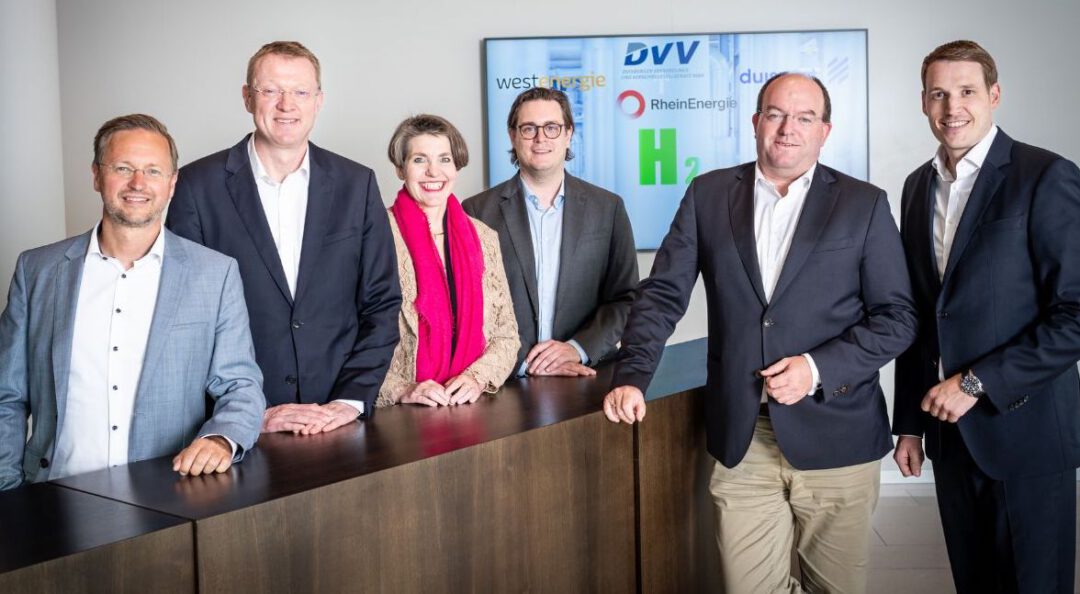
Management and shareholders of HydrogenXpertise GmbH: Four companies from the infrastructure sector will use the joint venture for hydrogen development, consulting, and lobbying. © Rheinenergie AG / Ralph Kruppa
(Germany) Four companies from the Rhine-Ruhr region are pooling their expertise in hydrogen. According to a recent press release, Duisburger Hafen AG, Duisburger Versorgungs- und Verkehrsgesellschaft (DVV), Rheinenergie AG from Cologne, and Westenergie AG from Essen have jointly founded HydrogenXpertise GmbH. While the company appears new, its website indicates it was founded in 2024. Based in Duisburg (North Rhine-Westphalia), the company will focus on developing new business areas and strategic consulting solutions in the field of hydrogen. This will involve creating analyses and concepts and supporting projects along the entire value chain. The core focus will be on consulting services tailored to the individual needs of our clients. The four companies each hold an equal share in the company. Moritz Voormann (Westenergie) and Ulrich Daamen (DVV) are the managing directors.
+ + + + +
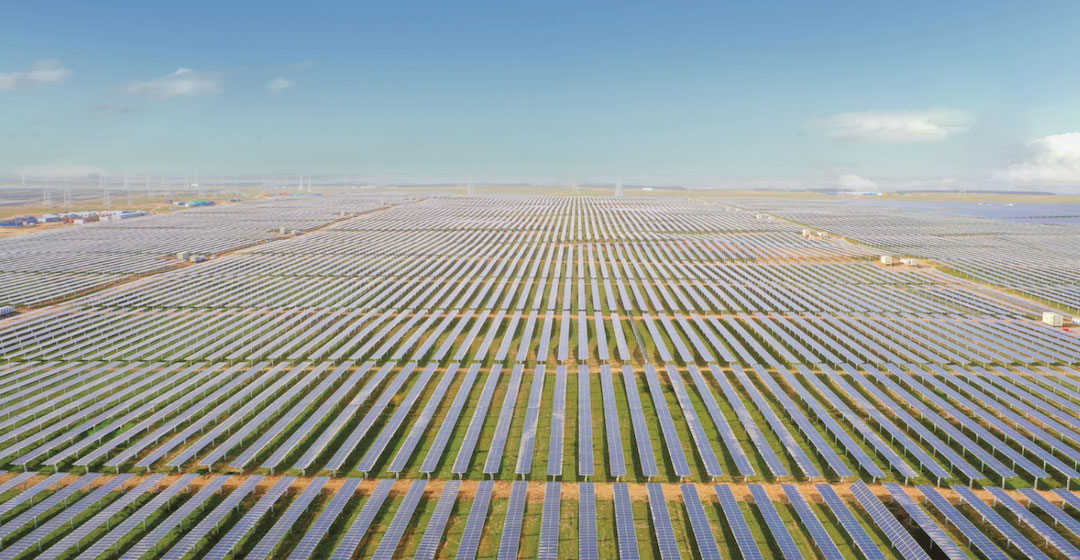
A PV power plant in Gonghe, Qinghai Province, China, with an installed capacity of 2,2 gigawatts. Seven million modules were installed with Huawei inverters. © Huawei Technology
(China) China has become the first country in the world to surpass 1.000 gigawatts (GW) of installed solar power capacity. This was reported by the International Economic Forum for Renewable Energies (IWR), citing the "China Daily." According to the report, 210 GW were added in the first six months of this year alone, bringing the total photovoltaic capacity to 1.100 GW. At the end of 2024, the US had a total of approximately 178 MW installed, and Germany around 100 MW. The IWR reports that the state-run China Electricity Council (CEC) anticipates an annual expansion rate of 200 to 300 GW of renewable energy capacity for the 15th Five-Year Plan (2026-2030). For the entire year of 2025, over 500 GW of new generation capacity is projected, of which approximately 400 GW will come from renewable sources. According to the IWR, China's total installed power plant capacity will rise to around 3,9 terawatts (3.900 GW) by the end of 2025, of which 1.300 GW will be photovoltaic. "The solar power produced in China in 2025 alone will already reach about half the annual electricity generation of all nuclear power plants operating worldwide," said IWR CEO Norbert Allnoch.
+ + + + +
Photos
iStock / © Danil Melekhin



