

France: John Cockerill Hydrogen takes over McPhy electrolyzer factory after insolvency +++ UK: Hynamics UK and Hy24 jointly develop the Fawley Green Hydrogen project +++ Germany: Hydropulse and Eternal Power accelerate hydrogen projects +++ USA: Cenntro unveils new generation of the "Bison" hydrogen truck +++ Spain: Solvay and Enagás plan hydrogen storage center in Cantabria +++ France: Lhyfe-Bouin is RFNBO certified +++ Australia: Large-scale hydrogen project in Queensland comes to an end +++ Germany: Eon and MM Neuss commission H2-ready combined cycle power plant +++ Austria: RAG Austria sources green electricity for hydrogen production +++ Germany: SEFE to supply Pfalzgas with hydrogen via the future core network +++ Spain: Ingeteam commissions 2,5 MW electrolyzer +++ Germany: RWTH Aachen University fuel cell truck completes performance tests +++ India: Toyota and Ohmium plan development of green hydrogen projects
A selection of PtX topics summarized at the end of the week
+ + + + +
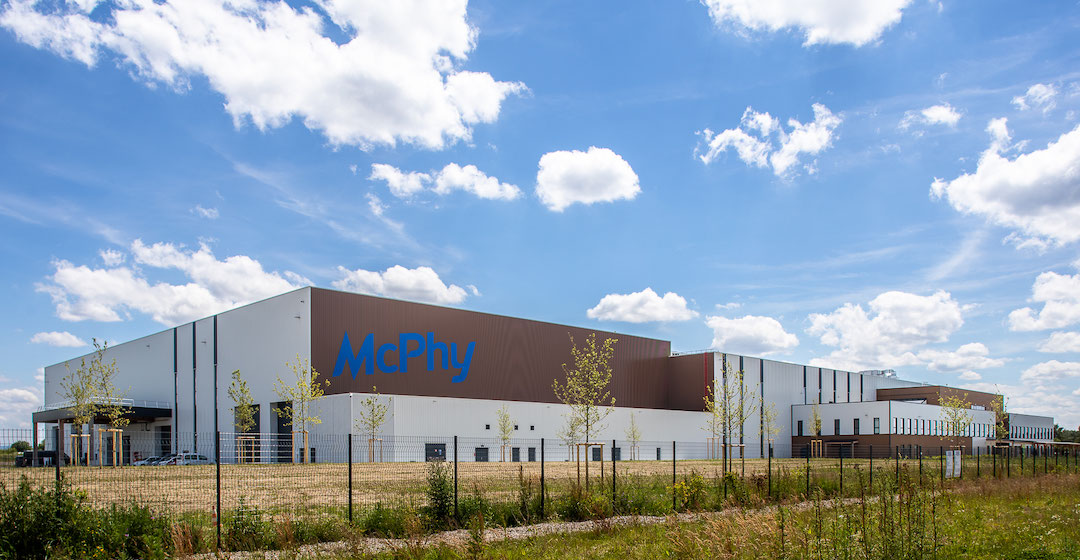
Among other things, John Cockerill is taking over McPhy's electrolyzer factory in Belfort, France. © McPhy
(France) John Cockerill Hydrogen SAS, part of the Belgian technology company John Cockerill SA, is acquiring some assets of the insolvent McPhy Energy SA, which specializes in electrolyzers and refueling stations. According to reports, the Belfort Commercial Court approved the Belgian company's offer, which included the acquisition of the Gigafactory in Belfort. This will secure around 50 highly skilled jobs, support the development of next-generation electrolyzers, and ensure the continuity of a strategic technology sector. The electrolyzer factory has an annual production capacity of one gigawatt. The acquisition is "part of a broader trend toward industrial consolidation, which is now common in the energy transition sectors," says Cockerill. As was the case previously with solar energy and electromobility, the electrolysis sector is now "entering a phase of maturity." Only companies capable of industrializing, delivering, and integrating technologies on a large scale will be successful in the long term. “By combining John Cockerill’s electrolysis systems with components from McPhy, we expect to achieve a competitive advantage of ten to fifteen percent compared to current models,” says Nicolas de Coignac, CEO of John Cockerill Hydrogen. Details of the transaction were not disclosed.
+ + + + +
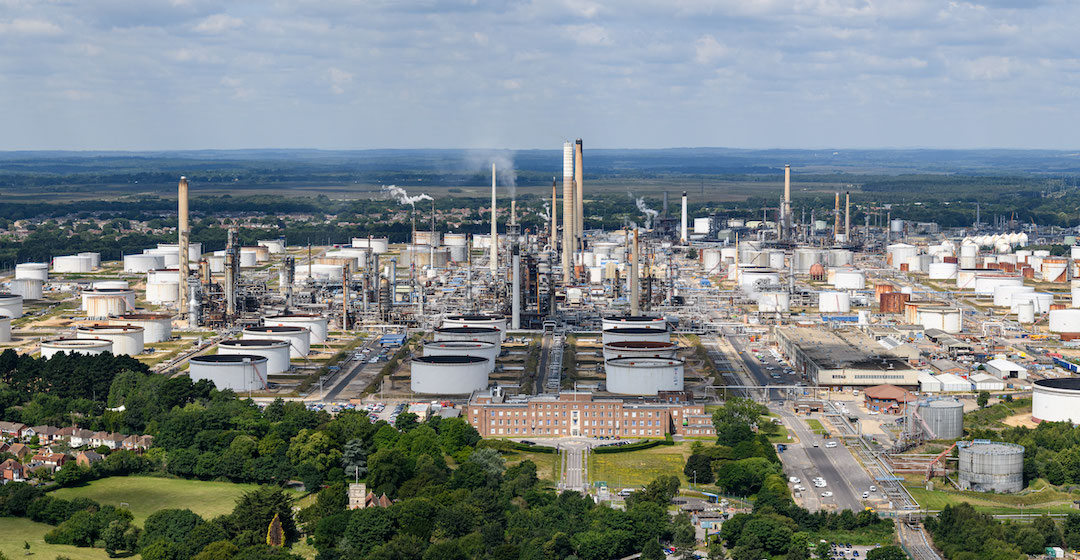
Exxon Mobil's petrochemical complex in Fawley is the largest of its kind in the UK. The plan is to eventually replace heavy fuel oil with green hydrogen. © Exxon Mobil Corp.
(Great Britain) Hydrogen producer Hynamics UK, a subsidiary of the French EDF Group, and the French investment company Hy24 plan to jointly finance and develop a £300 million electrolysis project in Fawley, Hampshire. The 120-megawatt project has been shortlisted for the UK government's Hydrogen Allocation Round 2 ( HAR2 ) funding program. It aims to supply Exxon Mobil Corp.'s local petrochemical complex with green hydrogen. According to the company, it is the largest complex of its kind in the UK. One in four vehicles runs on fuels from Fawley, and more than 20 percent of the UK's aviation fuel, including a quarter of Heathrow's needs, is produced there. Replacing heavy fuel oil and grey hydrogen with low-carbon hydrogen is expected to save up to 100.000 tons of CO2 emissions per year. Hynamics UK and Hy24 also plan to collaborate on other projects.
+ + + + +
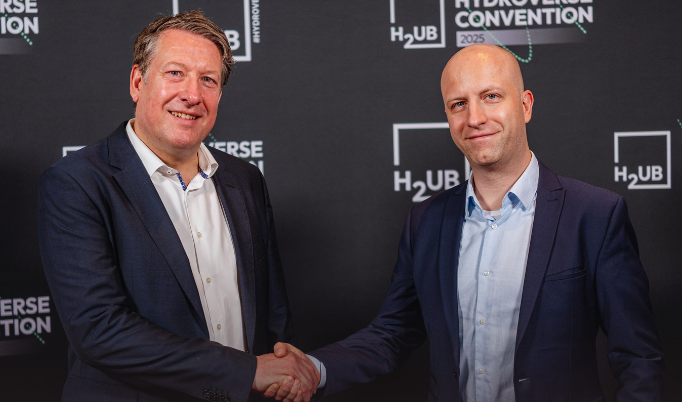
Dennis Schulz, CEO of ITM Power and Managing Director of Hydropulse, and Moritz Schwencke, CEO of Eternal Power, aim to accelerate industrial hydrogen projects. © ITM Power Plc
(Germany) ITM Power Plc's newly founded subsidiary, Hydropulse GmbH, based in Berlin and established two weeks ago, and Eternal Power GmbH aim to accelerate the implementation of industrial hydrogen projects throughout Germany. By combining Hydropulse's technology with Eternal Power's "Hydrogen-as-a-Service" model, they intend to enable projects that had previously stalled due to their complexity, capital costs, high upfront investments, or implementation delays. Hydropulse builds, owns, and operates containerized green hydrogen plants tailored to industrial customers.
+ + + + +
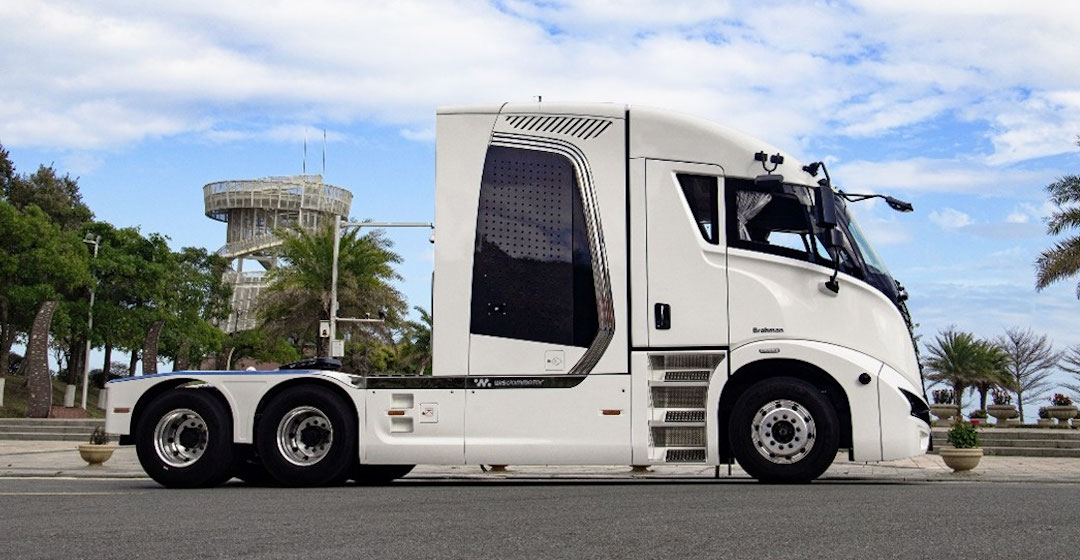
Bison Motors' new second-generation BM860H hydrogen semi-trailer truck. © Cenntro Inc.
(USA) Vehicle manufacturer Cenntro Inc. has unveiled a new Class 8 fuel cell-powered semi-truck. This is the second generation of the "BM860H" model from its subsidiary Bison Motors Inc. The vehicle is powered by a 210-kilowatt fuel cell system and offers a range of 528 miles with a full payload. The truck has already been certified by the U.S. Environmental Protection Agency (EPA), and certification by the California Air Resources Board (CARB) is currently under review. The company plans to source the main components for the BM860H primarily from U.S. manufacturers, with final assembly taking place at Cenntro's production facility in Southern California.
+ + + + +

Enagás and Solvay plan to develop a hydrogen storage facility in Cantabria. © Enagas SA
(Spain) The Belgian chemical company Solvay SA and the Spanish long-distance gas network operator Enagás SA have signed an agreement to develop a hydrogen storage center in Polanco, Cantabria. The project will leverage Solvay's expertise in developing salt cavern infrastructure. This initiative supports Spain's goal of becoming a major producer and exporter of renewable hydrogen. The caverns offer a safe, flexible, and scalable solution for storing renewable hydrogen, supporting grid stability and helping to balance fluctuations in electricity generation from renewable energy sources. Solvay operates more than 100 salt caverns in Germany and Spain.
+ + + + +
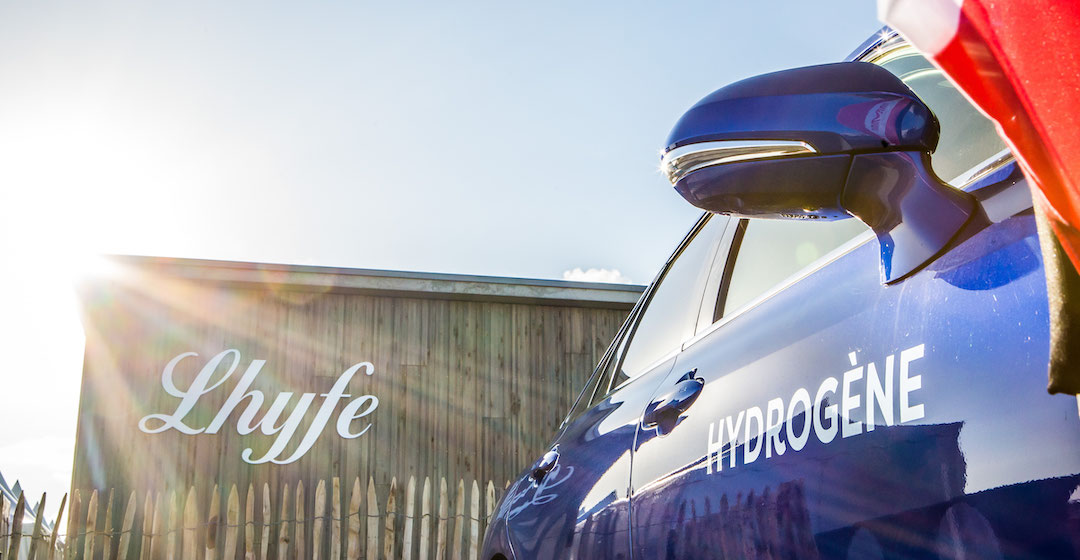
French hydrogen producer Lhyfe has received European RFNBO certification for its Bouin site. © Lhyfe
(France) Hydrogen producer Lhyfe has received European RFNBO certification for its Bouin site in the Vendée region, which has an installed capacity of one megawatt. The certification was granted in mid-May, the company announced. It now expects RFNBO (Renewable Fuel of Non-Biological Origin) assessments for its two other French sites in Bessières (Haute-Garonne) and Buléon (Morbihan), as well as for its German site in Schwäbisch Gmünd. This certification guarantees that the production and distribution chain for green hydrogen meets the European Union's stringent sustainability requirements. This allows customers to demonstrate the sustainability of the energy carrier they purchase and participate in funding programs.
+ + + + +

The hydrogen at Gladstone would be produced using solar power from a nearby Acciona PV power plant and transported to the port of Gladstone for further processing. © Worley
(Australia) Energy provider Stanwell Corporation has withdrawn from the Central Queensland Hydrogen Project (CQ-H2) near Gladstone. The state-owned company, which was leading the project, announced this in a two-line statement without further explanation: "Stanwell has ceased its involvement in the Central Queensland Hydrogen Project (CQ-H2) and other hydrogen development activities." The consortium once included the Japanese companies Iwatani Corporation, Kawasaki Heavy Industries, Kansai Electric Power, and Marubeni Corporation, as well as the Australian group APT Management Services. Kansai had already withdrawn in November of last year. According to local media, Energy and Finance Minister David Janetzki stated in February that the project was not in line with the state's priorities to utilize existing coal-fired power plants (Editor's note: The government's November 2024 target explicitly guarantees the continued operation of state-owned coal-fired power plants). Iwatani subsequently withdrew after the government refused to contribute $1,4 billion. This likely marks the end of the once-flagship project, unless the remaining partners pursue it independently. As previously reported , the initial plan called for the installation of electrolyzers with a capacity of 640 to 720 megawatts and a daily production capacity of 200 tons. The energy carrier was intended partly for use within Queensland itself, but primarily for export to Japan and Singapore. Operations were scheduled to begin in 2028 and would have been ramped up to an electrolyzer capacity of approximately 2.240 to 2.800 megawatts.
+ + + + +
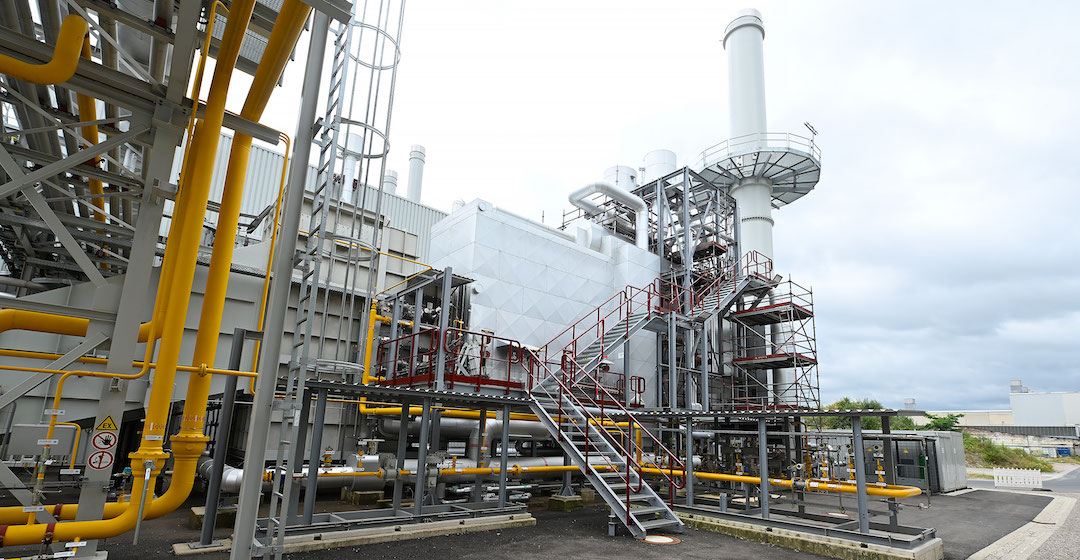
The CHP plant for MM Neuss currently supports a hydrogen content of ten percent in the fuel mixture and can be converted to 100 percent hydrogen operation. © Eon SE
(Germany) Eon Energy Projects GmbH, part of the energy group Eon SE, and the cardboard manufacturer MM Neuss GmbH, belonging to the Mayr-Melnhof Group, have commissioned a combined cycle gas turbine (CCGT) power plant with cogeneration. The plant has an electrical output of 22 megawatts (MW) and a thermal output of 59 MW. According to the companies, the fuel utilization rate is 91 percent. A fully automated backup boiler system has also been installed, which switches seamlessly between main and backup operation as needed. The fully digitalized control system allows for unattended operation for up to 72 hours. Construction of the plant began in September 2022, and Eon will operate it until at least 2045. The power plant is hydrogen-compatible. Currently, a hydrogen content of ten percent can be used in the fuel mixture. In the future, the plant can be converted to operate on up to 100 percent hydrogen.
+ + + + +
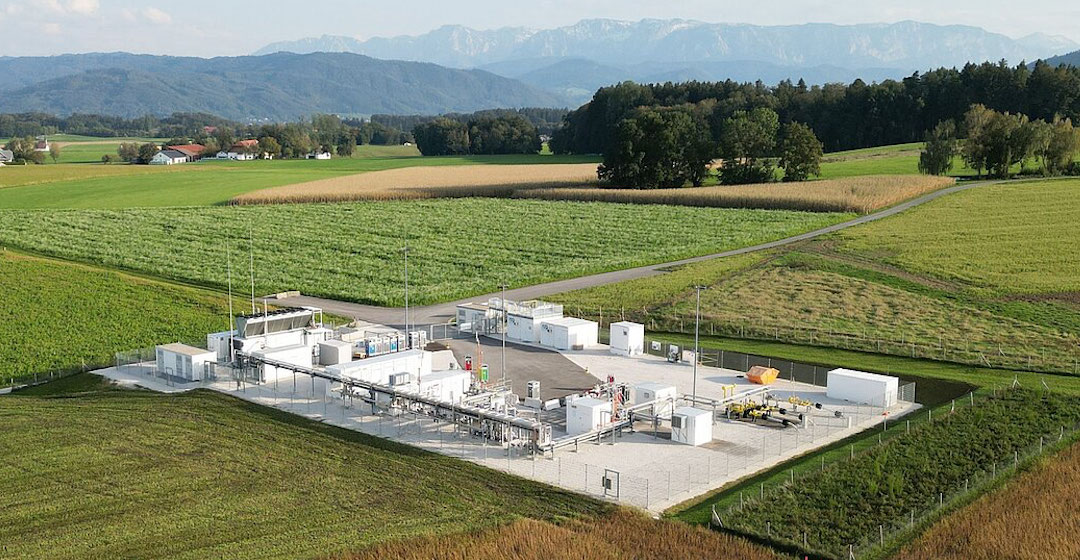
RAG now plans to store green hydrogen produced using surplus solar power in Gampern. © RAG Austria AG
(Austria) Naturkraft Energievertriebsgesellschaft mbH, a subsidiary of Energieallianz Austria GmbH (EEA), will supply green electricity to RAG Austria AG for hydrogen production until the end of 2026. This hydrogen will then be produced via electrolysis at the cross-sectoral demonstration plant in Rubensdorf and fed into the Gampern underground storage facility (Upper Austria). The plant has been operational since April 2023. As previously reported, RAG Austria AG recently completed a storage test with approximately 500.000 cubic meters of hydrogen at the "Underground Sun Storage 2030" (USS 2030) project. With a storage volume of 4,2 gigawatt-hours, the plant corresponds to the "summer electricity surplus of about 1.000 photovoltaic systems on single-family homes." This ensures a supply of green energy in winter, says Markus Mitteregger, CEO of RAG Austria: Hydrogen can guarantee the energy supply even during fluctuations.
+ + + + +
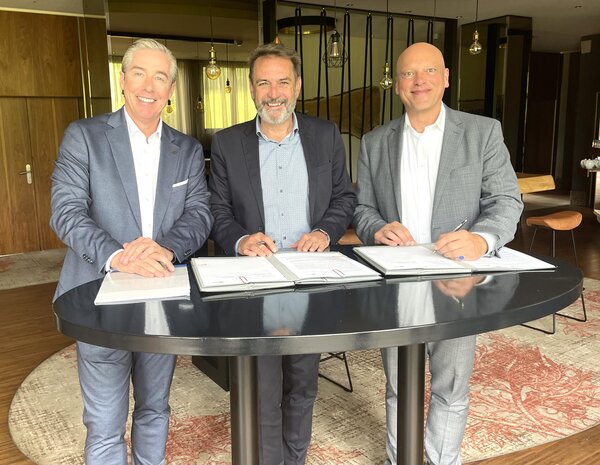
Signed letter of intent for hydrogen supply via the German core grid (from left): Thorsten Grandjot (Senior Account Manager SEFE), Werner Brommko (Sales Manager Pfalzgas), Marcus Mentel (SVP Account Management Reseller SEFE). © SEFE
(Germany) The federally owned Securing Energy for Europe GmbH (SEFE; formerly part of the Gazprom Group) and Pfalzgas GmbH have signed a letter of intent regarding future hydrogen deliveries via the hydrogen core network. The aim is to "support Pfalzgas in building a green gas network." Details regarding the start date or volume were not disclosed. SEFE has been supplying Pfalzgas with 1,2 terawatt-hours (TWh) of natural gas annually since January 2025. The supply contract has now been extended by two years until 2027. Pfalzgas is "one of the first customers to explore the possibilities of hydrogen deliveries together with SEFE," says Hamead Ahrary, CSO of SEFE.
+ + + + +
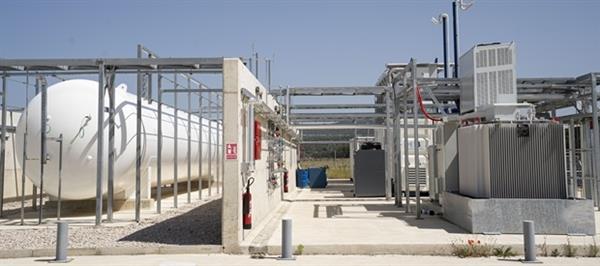
Ingeteam commissions 2,5 MW electrolyzer in Castile. © Ingeteam
(Spain) The Spanish technology company Ingeteam Corporación SA has commissioned a 2,5-megawatt electrolyzer from H2B2 Electrolysis Technologies SL at the Soria Business Park (Castile and León). Ingeteam was responsible for the supply and installation of the rectifier from the "Ingecon H2 E" series. The equipment was designed, manufactured, tested, and delivered turnkey at Ingeteam's production centers in Navarra, Spain. The production plant, along with a 150-cubic-meter hydrogen storage system and infrastructure, is located on a 3.000-square-meter site and is intended to meet the energy and heat needs of the Environmental Business Park (EBP) with renewable hydrogen.
+ + + + +
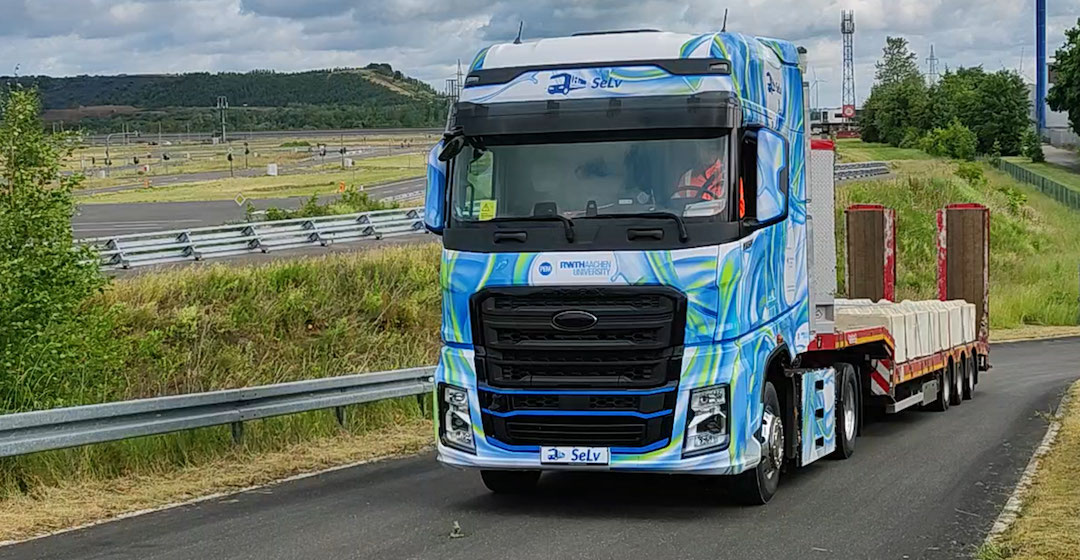
Hill climb test: With a total weight of more than 40 tons, the fuel cell truck had to climb a XNUMX percent gradient five times in less than five minutes. © PEM RWTH Aachen / Benedikt Siemons
(Germany) As part of the "SeLv" research project at RWTH Aachen University, a hydrogen-powered truck has completed a series of performance tests at several institutions. For tests such as those concerning braking performance, the test vehicle was specifically placed on the all-wheel-drive roller dynamometer of DLG TestService GmbH in Hesse. The Ford F-Max tractor unit achieved a continuous output of 385 kilowatts for 30 minutes. A peak output of 474 kilowatts was measured, which, according to the researchers, could later be limited to approximately 410 kilowatts for the sake of efficiency. These figures are considered preliminary, as the exact data is currently being evaluated. This procedure is considered an important step towards obtaining road approval in the form of an individual operating permit (EBE) for the prototype fuel cell truck. The "SeLv" truck also underwent further tests at the DLG test center, including tests of the continuous braking system and the thermal management system. Previously, at Akkodis in Waiblingen, Baden-Württemberg, electromagnetic compatibility (EMC) testing was conducted to ensure that electronic systems in vehicles do not cause mutual interference or are affected by external electromagnetic fields. Furthermore, the researchers demonstrated the fuel cell truck's hill-start capability on the track of the Aldenhoven Testing Center (ATC): With a total weight of more than 40 tons, the truck mastered a 12 percent incline five times in less than five minutes, thus meeting EU standards. The vehicle was developed at the Chair of Production Engineering of E-Mobility Components ( PEM ) with undisclosed federal funding.
+ + + + +
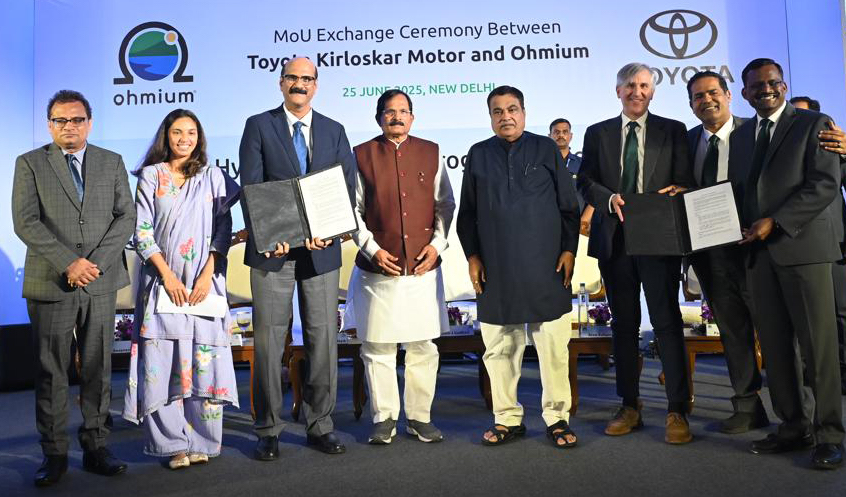
Toyota and Ohmium signed an agreement to develop green hydrogen projects in New Delhi in the presence of high-ranking representatives from industry and politics. © Ohmium International Inc.
(India) Proton Exchange Membrane (PEM) electrolyzer supplier Ohmium International Inc. and Toyota Kirloskar Motor Private Limited (India) plan to explore potential collaborations on green hydrogen projects. The technological basis for the collaboration would be Toyota's PEM fuel cell modules and Ohmium's PEM electrolyzers. Specific details were not disclosed. Ohmium is headquartered in the USA with production facilities in India. According to the company, its global pipeline for green hydrogen projects comprises two gigawatts across three continents for various applications, including refineries, transportation, steel production, ammonia, and methanol.
+ + + + +
Photos
iStock / © Danil Melekhin



