

USA: Nuclear power has the highest investment risk, solar energy the lowest (study) +++ Canada: Q Precious begins targeted exploration for natural hydrogen +++ Germany: BDEW wants German-French cooperation in European hydrogen alliance +++ Austria: RAG has completed storage test with 500.000 cubic meters of hydrogen +++ Korea: Samsung and NEL launch CompassH2 +++ USA: Verdagy uses hydrogen for linear generator to generate electricity in electrolyzer factory
A selection of PtX topics summarized at the end of the week
+ + + + +
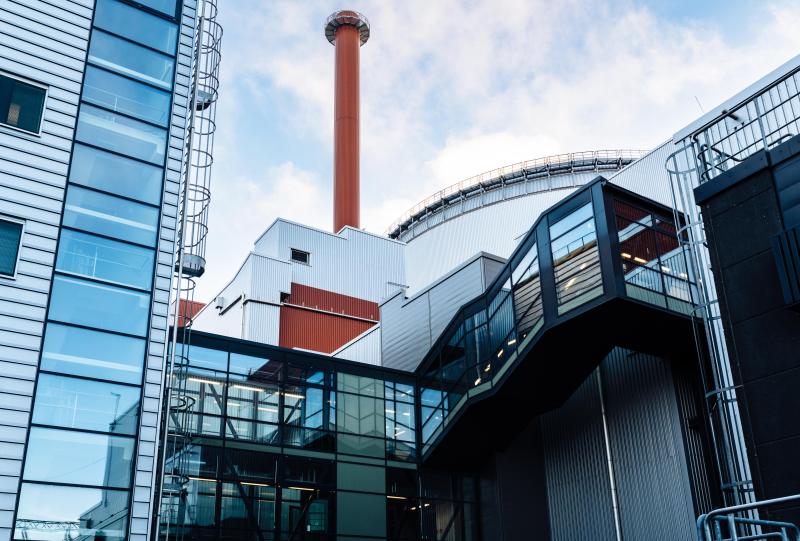
Study: Nuclear power plants are a high-risk investment. Unit 3 of the Finnish Olkiluoto nuclear reactor, for example, cost at least eleven billion euros (the original estimate was three billion). Construction began in 2005, and regular operation began in 2023 (planned: 2009). Areva (now Framatom) and Siemens AG, and thus their shareholders, bore the construction and cost risks. © TVO
(USA) Soaring construction costs and delayed schedules are slowing down many energy projects. The average project costs 40 percent more than expected and takes almost two years longer than planned. Construction costs for more than 60 percent of energy infrastructure projects worldwide exceed the original budget. Nuclear power plants are "the worst offenders." Cost overruns are typically twice as high as expected or even higher: The average nuclear power plant has a construction cost overrun of 102,5 percent and ultimately costs $1,56 billion more. This is the conclusion of a study by the Boston University Institute for Global Sustainability (IGS). Hydrogen infrastructure, as well as carbon capture and storage, also exhibit "significant average construction time and cost overruns," as do natural gas-based power plants. In contrast, solar energy and electricity transmission projects have the best track record and are often completed ahead of schedule or under budget. Wind turbines also fared well in the financial risk assessment. “Low-carbon energy sources like wind and solar power not only offer enormous benefits for the climate and energy security, but also financial advantages, as construction risk and the potential for delays are lower,” says IGS Director Benjamin Sovacool, lead author of the study and professor of Earth and Environmental Sciences. This is further evidence that such technologies have a range of underestimated and undervalued social and economic benefits. “Concerningly, these findings call into question efforts to significantly advance the hydrogen economy.” Smaller, modular renewable energy projects not only offer environmental benefits but also reduce financial risk. “Projects with a capacity of more than 1.561 megawatts have a significantly higher risk of cost escalation,” says IGS scientist Hanee Ryu. “This suggests that we need to rethink our approach to planning large-scale energy infrastructure, especially as we invest trillions in global decarbonization.” Researchers compiled data on 662 energy infrastructure projects built between 1936 and 2024 in 83 countries, representing investments of $1,358 trillion. The study examined ten project types: thermoelectric power plants fueled by coal, oil, or natural gas; dams; wind turbines; photovoltaic and solar thermal power plants; high-voltage transmission lines; bioenergy power plants; geothermal power plants; hydrogen production facilities; and carbon capture and storage (CCS) facilities. The study, "Beyond economies of scale: Learning from construction cost overrun risks and time delays in global energy infrastructure projects," was published in "Energy Research & Social Science . "
+ + + + +
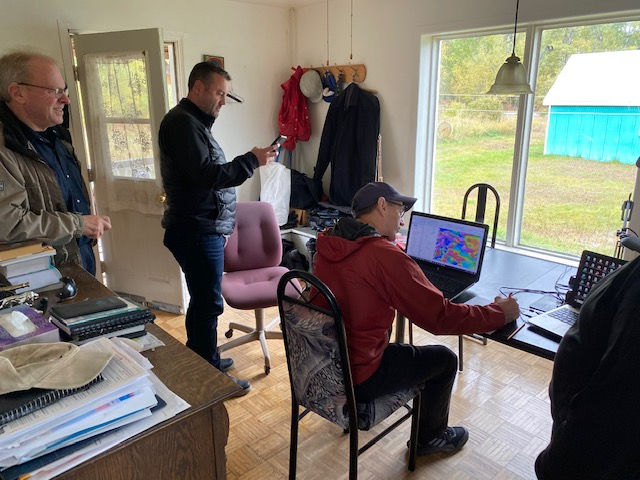
Q Metals will soon begin collecting soil samples in the Canadian province of Nova Scotia in its search for natural hydrogen (Image: Team in Val d'Or, Quebec, for gold exploration). © Q Precious & Battery Metals Corp.
(Canada) Q Precious & Battery Metals Corp. has announced plans to launch a natural hydrogen exploration program in Nova Scotia following initial geological surveys. The Colchester County project comprises seven concessions with a total of 559 claims covering 89,44 square kilometers and is adjacent to the well-established natural hydrogen project of Quebec Innovative Materials Corp. (QIMC). This area offers "excellent prospects and ideal geological conditions for significant enrichment" of natural hydrogen (H2) and helium (He). Using QIMC's exploration model, initial high-potential zones have been selected for upcoming soil gas sampling, geophysical surveys, and geochemical analyses. "The early success at the Colchester project demonstrates the accuracy and reliability of our hydrogen exploration model," said John Karagiannidis, CEO and Chairman of QIMC. The companies' strategic partnership will enhance the optimization of their respective resources.
+ + + + +
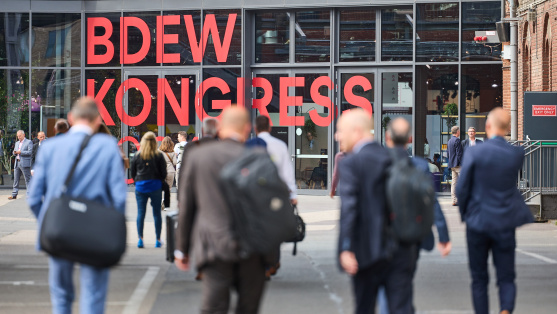
A dozen associations from the energy, water, chemical, and automotive industries are calling for a German-French initiative for a European Hydrogen Alliance. © BDEW
(Germany) The German Association of Energy and Water Industries (BDEW) has called on the new German government to leverage energy policy cooperation between Germany and France to jointly establish a European hydrogen alliance. The aim should be to "advance the hydrogen rollout in a practical way and boost the European hydrogen economy." The initiative should be supported by associations and stakeholders from the field. "We need a European hydrogen alliance to create a simple, technology-neutral regulatory framework at the EU level," states the joint declaration, which is supported by around a dozen associations. A revision of existing regulations on the production and import of green and low-carbon hydrogen is "urgently needed," particularly "with regard to electricity procurement criteria and the assessment of greenhouse gas savings."
+ + + + +
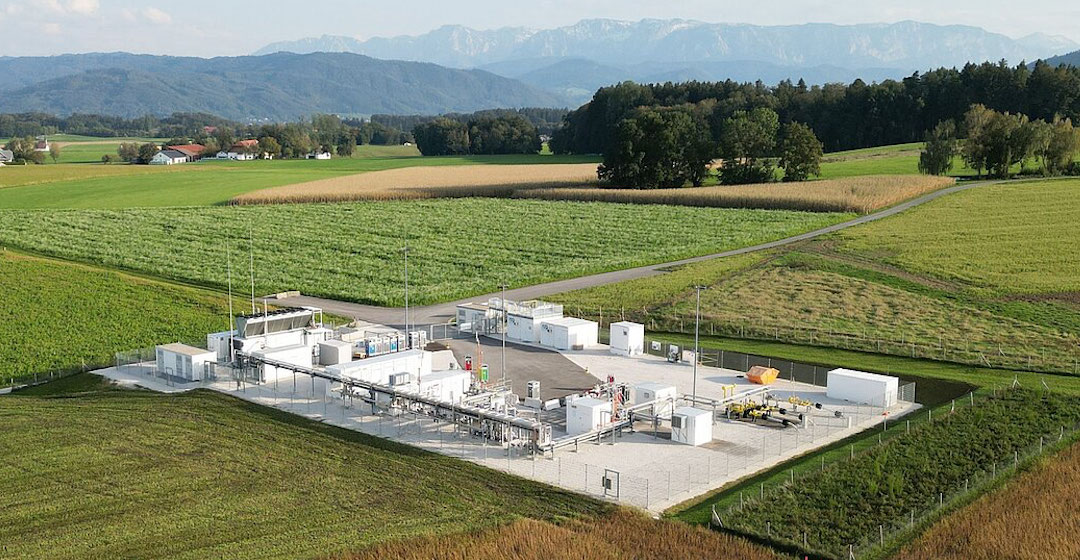
RAG has completed the demonstration operation of hydrogen storage in the USS2030 project in the municipality of Gampern. © RAG Austria AG
(Austria) Energy storage company RAG Austria AG has completed a storage test with approximately 500.000 cubic meters of hydrogen. The demonstration operation in the "Underground Sun Storage 2030" (USS 2030) project demonstrates the technical feasibility of large-scale storage of the energy carrier in depleted gas reservoirs, according to the company. The hydrogen was stored for several months and extracted from the reservoir in a high purity. It will be used to produce CO2-free electricity and CO2-free heat at RAG's own combined heat and power (CHP) plant in Gampern, Upper Austria. The hydrogen storage facility was opened in 2023 in an underground sandstone gas reservoir within the municipality. A final report from the consortium of industry and research partners, led by RAG, is expected "in the coming weeks." Four further storage cycles will be conducted as part of the follow-up project EUH2STARS, which runs until 2029. As early as May, it became "clearly evident" that peak solar energy production, the associated low to negative prices, and the competition between solar and hydropower generation required a suitable storage solution to operate renewable energy production in an economically viable way. Battery and pumped storage facilities could not handle and store these large volumes and capacities of electricity over the long term. From RAG's perspective, the only suitable technology capable of transferring the summer surplus to the winter is power-to-gas and hydrogen as an energy carrier.
+ + + + +
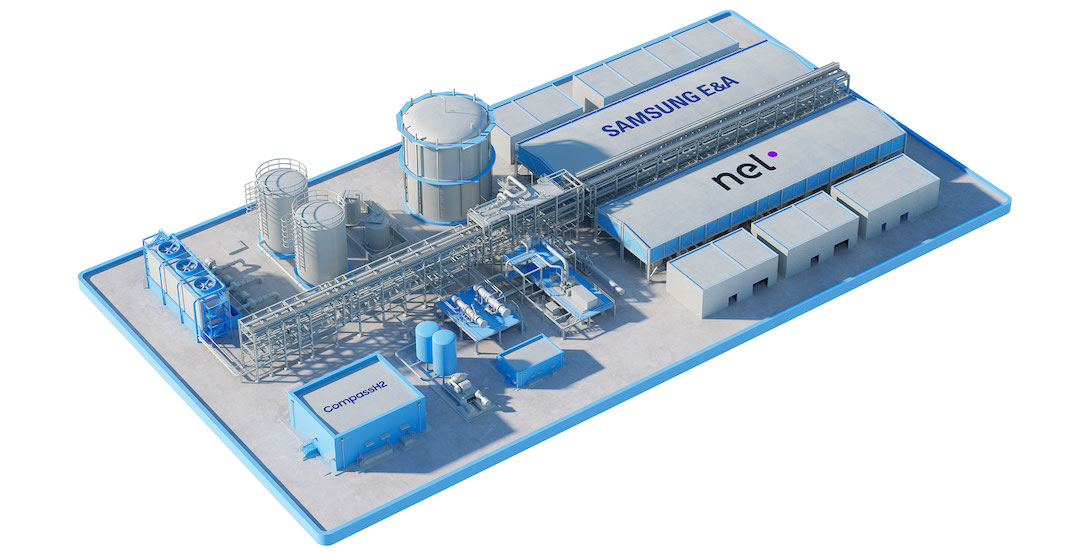
With "CompassH2," Samsung and NEL offer their customers a compact, scalable hydrogen production system from feasibility study to electrolyzer. © Samsung
(Korea) The Korean construction and project manager Samsung E&A Co. Ltd., in collaboration with the Norwegian electrolyzer manufacturer Nel ASA, has developed a hydrogen system called "CompassH2," which was launched in May at the World Hydrogen Summit 2025 in Rotterdam, Netherlands. According to Samsung, this will allow them to expand their business into the installation and operation of electrolyzers. CompassH2 is a scalable model starting at 100 megawatts, covering every phase of the value chain – from feasibility studies to EPC execution and other downstream processes. Samsung acquired a 9,1 percent stake in Nel ASA in March for $33 million (€29,5 million).
+ + + + +
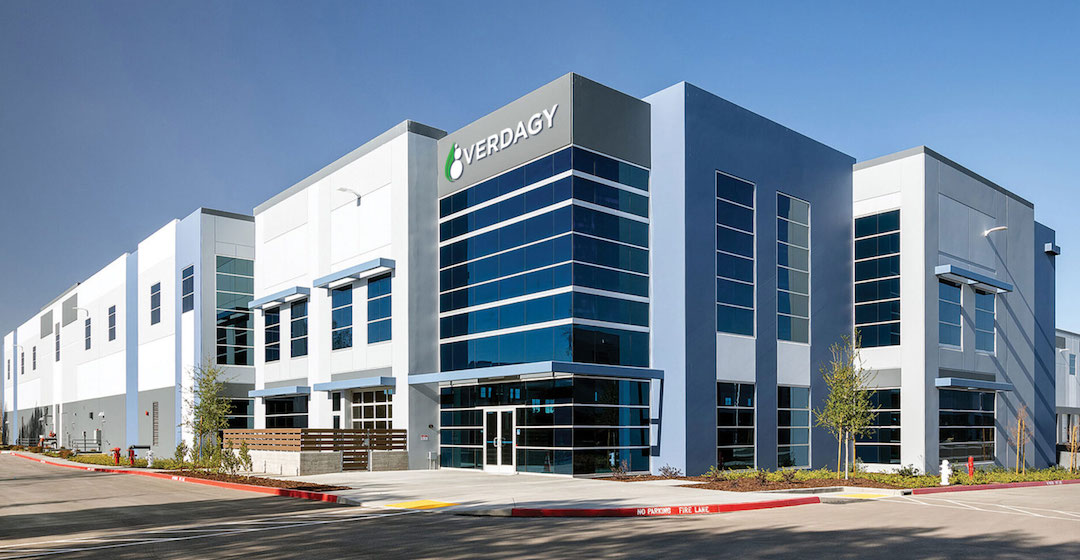
Verdagy plans to convert the hydrogen produced in California back into electricity and use the proceeds in its electrolyzer factory. © Verdagy Inc.
(USA) Technology company Verdagy Inc. has partnered with Mainspring Energy, Inc. to build a hydrogen-powered linear generator in Moss Landing, California. Verdagy's electrolyzer has been operating there for four years and has already produced over 200 tons of hydrogen. The fully automated new plant will be continuously supplied with cost-effective hydrogen for power generation. This will allow Verdagy to utilize the energy carrier directly on-site for its existing electrolyzer factory, reducing operating costs. The two companies anticipate that operations will commence in the summer of 2025.
+ + + + +
Photo above
iStock / © Danil Melekhin



