

Netherlands: PosHYdon onshore test launched +++ Netherlands: RWE receives funding for 50 MW electrolyzer +++ Germany: Uniper determines hydrogen storage capacity needs from 2029 onwards +++ Germany: Hydrogen economy infrastructure needs until 2050 (White Paper) +++ USA: Industry establishes hydrogen lobby +++ Denmark: CIP and Uniper plan to collaborate on hydrogen +++ USA: Hyzon unveils FCEV refuse truck +++ Germany: Iberdrola to supply solar power to Salzgitter AG +++ USA: Gilling develops hydrogen bus +++ Germany: Union inquires about hydrogen research +++ Canada: Companies test vehicles from First Hydrogen +++ DISCOUNT promotion: Your advertisement on the PtX portal
A selection of PtX topics summarized at the end of the week
+ + + + +
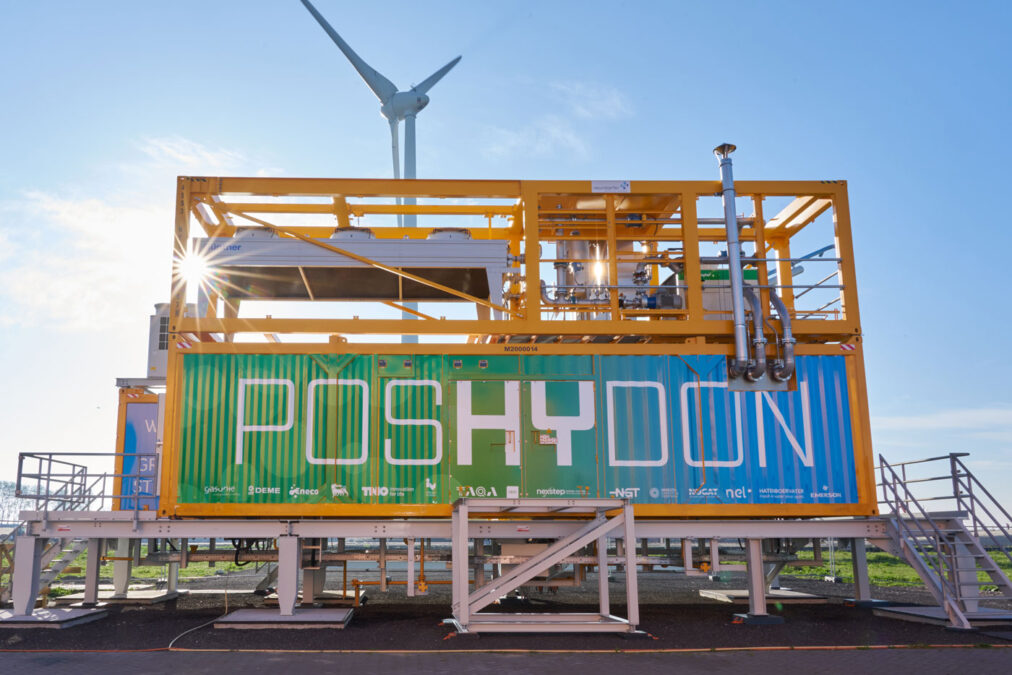
The PosHYdon project begins offshore testing. © PosHYdon
(Netherlands) The PosHYdon consortium has begun onshore testing of its future hydrogen production plant at the Investa site in Alkmaar, Netherlands. The goal is the eventual integration of three offshore energy systems: offshore wind power, offshore gas, and offshore hydrogen. This includes the installation of a hydrogen production plant on the Q13a-A platform, operated by Neptune Energy, in the Dutch North Sea. The green hydrogen will be blended with the gas and transported to the coast via the existing gas pipeline. To this end, the Ministry of Economic Affairs and Climate Policy has increased the hydrogen blending specifications from 0,02 percent to 0,5 percent. The one-megawatt electrolyzer will follow the wind profile of the Luchterduinen wind farm. Following the current test phase, the electrolyzer will be moved to the platform, 13 kilometers off the coast of Scheveningen (The Hague). The first offshore hydrogen production is planned for the fourth quarter of this year. “PosHYdon teaches us a great deal about the next steps that need to be taken towards the safe, large-scale production of green hydrogen from offshore wind,” says René Peters, Business Director Gas Technologies at TNO and initiator of the North Sea Energy Program. “Offshore green hydrogen production will make it possible to develop large wind farms far out at sea. The wind energy will be converted directly into green hydrogen from demineralized seawater and can be transported via existing or new gas infrastructure.” This would allow offshore wind projects to be realized faster and at significantly lower costs. The consortium consists of 15 public and private companies and organizations.
+ + + + +
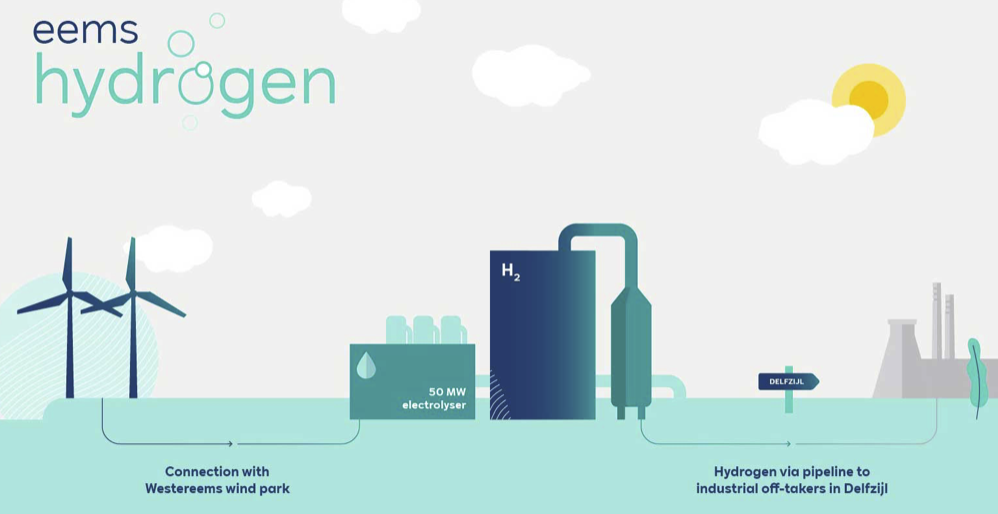
RWE will receive around 125 million euros from the Dutch OWE funding program for the construction of a 50 MW electrolysis plant in Eemshaven. © RWE AG
(Netherlands) The Dutch government has granted RWE a financing commitment of €124,9 million for its "Eemshydrogen" project. This funding will be used to build a 50-megawatt electrolysis plant at the Eemshaven site. The company plans to power the plant with electricity generated from its Westereems wind farm, located approximately five kilometers from the Eemshaven power plant. The investment decision is expected by the end of 2024. A key prerequisite for this is the timely connection of the Eemshaven site to the necessary infrastructure, such as the national hydrogen backbone, to transport the green hydrogen to the market. RWE has already received environmental and building permits for Eemshydrogen and is in contact with potential customers. Suppliers for the required equipment and the construction of the electrolysis plant will be contracted after the investment decision. The Eemshydrogen plant is scheduled to begin operation in 2027. The Netherlands aims to be carbon neutral by 2050. The government plans to build an electrolysis capacity of eight gigawatts with sufficient storage facilities and infrastructure by 2032.
+ + + + +

Uniper has evaluated the market survey but is not publishing any specific results. © Uniper SE
(Germany) According to the company, a wide range of players from the energy sector participated in the market consultation initiated by Uniper Energy Storage, which ran from the beginning of February to the end of March. This included energy suppliers, power plant operators, hydrogen producers and consumers, and traders. The evaluation shows "a strong overall interest in hydrogen storage" in Northwest Germany, even in the first phase of the hydrogen ramp-up starting in 2029 and beyond, the company vaguely states. The results also reflect analyses from other studies. Uniper did not provide specific figures from the market survey. The company is prepared to make hydrogen storage facilities with a capacity of up to 600 gigawatt-hours available by the end of 2030, says Doug Waters, Managing Director of Uniper Energy Storage. Another finding of the market survey is the high flexibility requirement for the products to be provided. Compared to the existing natural gas market, "a significantly higher demand for injection and withdrawal capacities is expected."
+ + + + +
White Paper: The biggest drivers of the hydrogen economy are the steel and chemical industries. © Federal Ministry of Research
(Germany) Europe will have a minimum demand of 700 terawatt-hours (TWh) of hydrogen by 2050. The steel and chemical industries will then be the major drivers of a hydrogen economy, stimulating demand for imports and electrolyzers. A Europe-wide pipeline network is needed to connect the geographically dispersed centers of production, storage, and consumption. These are the findings of a white paper from the TransHyDE hydrogen flagship project – a system analysis of the Federal Ministry for Economic Affairs and Energy, coordinated by the Fraunhofer Institute for Energy Infrastructures and Geothermal Energy IEG and DECHEMA e.V. The authors examined the demand from industry, households, and the transport sector. After 2030, they expect significant cost reductions for green energy carriers, but these will not be sufficient to economically generate low-temperature, heating, and process heat. In the industrial sector, steel production and its associated high-temperature processes alone account for 200 to 300 TWh of hydrogen demand. The chemical industry could also be a key driver for the expansion of the European hydrogen infrastructure. The second most important consumer of hydrogen is the transport sector. International air and sea transport, for example, rely on synthetic fuels based on hydrogen. This will generate a total hydrogen demand of 450 TWh for green fuels by 2050. The biggest uncertainty in the transport sector is the competition between direct electrification and hydrogen fuel cell propulsion in heavy-duty trucks. Various scenarios show an additional demand of up to 380 TWh by 2050 if 40 percent of trucks were equipped with fuel cells.
“European Hydrogen Infrastructure Planning – Insights from the TransHyDE Project System Analysis” is available for free download as a PDF (67 pages, English).
+ + + + +
(USA) Energy Systems Network (ESN) announced the launch of a “Hydrogen Industry Alliance” (HIA) in the United States. This alliance is a network of companies from the energy and mobility sectors working together to support the development of the clean hydrogen market in the Midwest and beyond. The industry has announced 1.400 clean hydrogen projects, requiring $570 billion in investment by 2030. These projects, and the economic development and jobs they will create, require cross-industry collaboration and public-private partnerships at the state, regional, and national levels. The HIA aims to facilitate this by providing training, facilitating market research, advocating with federal, state, and local governments, and educating the public about the benefits of clean hydrogen. “There is no shortage of commercial interest in clean hydrogen, but sustainable development requires clear, market-oriented policies that attract private investment and meet diverse customer needs,” said Paul Mitchell, ESN President and CEO. Companies in the energy, manufacturing, and transportation sectors want an industry-leading platform for commercial collaboration, advocacy, and education. “That’s why we are launching the Hydrogen Industry Alliance.” Founding members include BP, Doral Group H2, Duke Energy Indiana, The Heritage Group, Hoosier Energy, Itochu Corporation, and MISO. The Hydrogen Industry Alliance is headquartered in Indiana.
+ + + + +
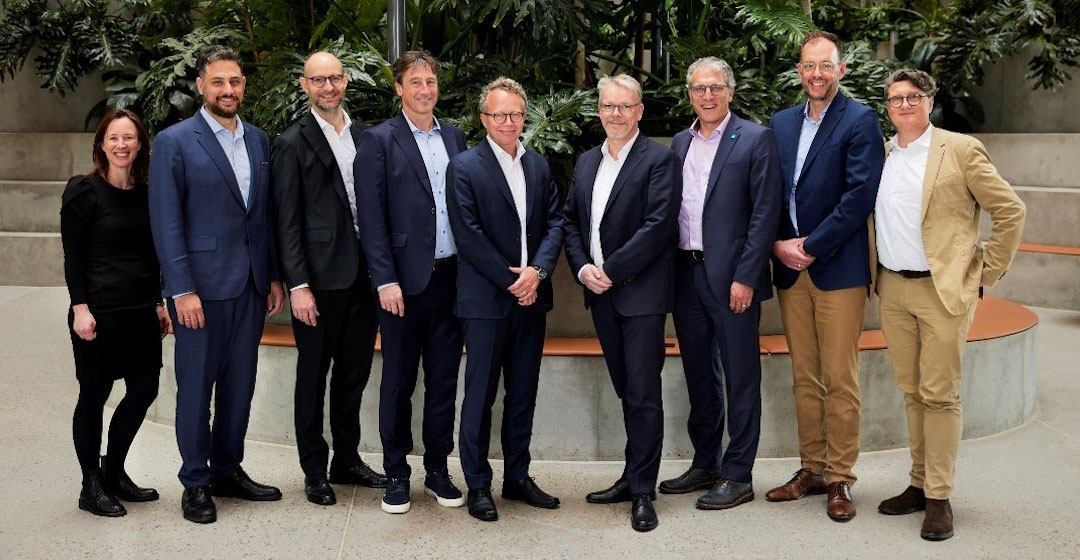
Representatives of HØST PtX Esbjerg, Energy Transition Fund CIP and Uniper SE after signing the memorandum of understanding for greater cooperation. © Uniper SE
(Denmark) The investment firm Copenhagen Infrastructure Partners (CIP), through its Energy Transition Fund, has signed a letter of intent with Uniper SE to transport green hydrogen from CIP's "HØST PtX" project in Esbjerg, Denmark, to Germany. This includes production, transport, and marketing. HØST is scheduled to be connected to the German hydrogen network by 2028 at the latest via a new hydrogen pipeline being laid by the Danish transmission system operator Energinet in cooperation with Gasunie Deutschland Transport Services. CIP and Uniper would deliver up to 140.000 tons of green hydrogen annually. Uniper intends to integrate HØST's green hydrogen into its green gas portfolio and meet industrial demand with varying flexibility profiles and contract durations.
+ + + + +
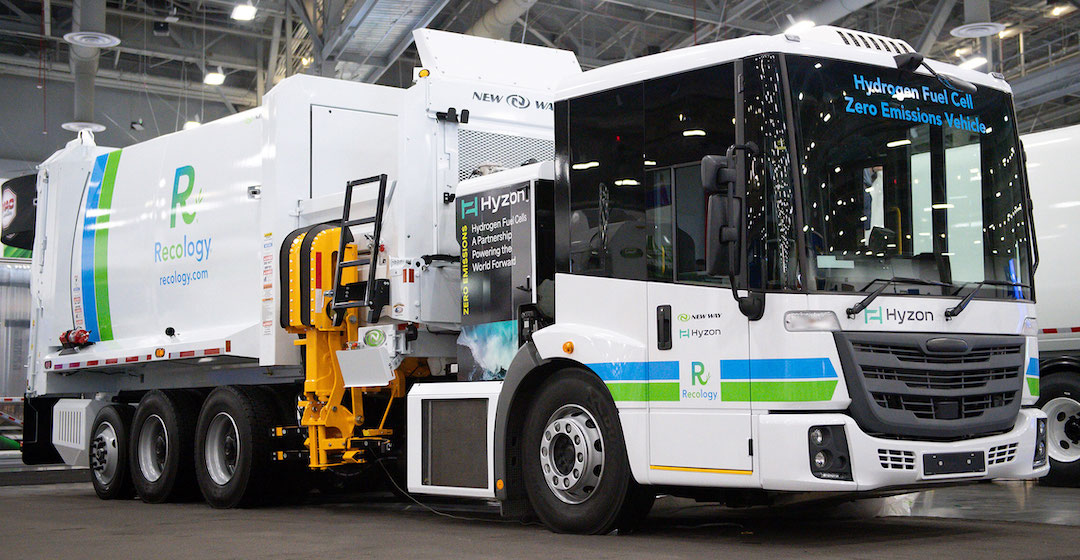
Hyzon shows fuel cell-powered garbage collection vehicle in Las Vegas. © Hyzon
(USA) Hyzon, a US developer of hydrogen fuel cell technology, and New Way Trucks, a manufacturer of garbage truck bodies, are unveiling the first hydrogen-powered refuse collector in North America. Hyzon's fuel cells are robust enough to provide consistent performance over 125 miles, including up to 1.200 car lifts and trips to the transfer station. The truck will initially be tested on routes in California, starting with Recology in San Francisco, a company that collects and recycles solid waste. "We have been preparing to transition our fleet to zero-emission vehicles for almost six years," says Sal Coniglio, CEO of Recology. "We haven't seen a hydrogen-powered refuse truck on the market during that time and are excited to be the first to utilize this technology."
+ + + + +
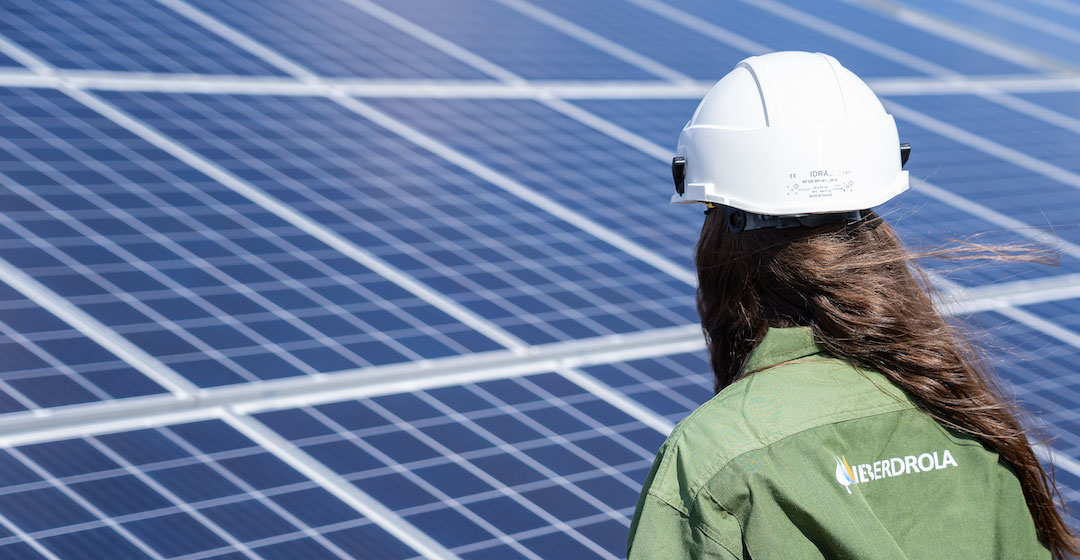
Iberdrola and Salzgitter Flachstahl sign a long-term contract to supply solar power. © Salzgitter AG
(Germany) Iberdrola Germany and Salzgitter Flachstahl GmbH have signed another power purchase agreement (PPA). The agreement has a term of 15 years. According to the company, the subsidiary of the Spanish energy group will sell approximately 60 gigawatt-hours (GWh) annually to Salzgitter Flachstahl GmbH, part of Salzgitter AG, under this PPA starting in 2025. The solar power will come from Iberdrola's second large-scale photovoltaic plant in Germany. The planned ground-mounted plant, with an installed capacity of 60 megawatts, is being built in Saxony-Anhalt and is already "in an advanced stage of development," according to the company. Commissioning is scheduled for 2025. This will bring Iberdrola's total electricity supply to Salzgitter to more than 900 GWh. “Expanding our collaboration with Iberdrola is another important building block in our energy strategy. With their support, we can secure the supply of renewable electricity for Salzgitter AG and, in particular, for our Salcos transformation program,” said Ulrich Grethe, Chairman of the Salzgitter Flat Steel Management Board. Salzgitter plans to phase out coke for steel production in the future and instead use hydrogen and green electricity for the electric arc furnace.
+ + + + +
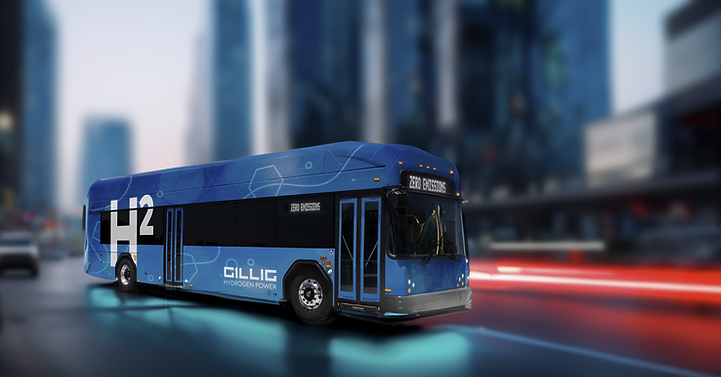
The US bus manufacturer Gilling is developing a fuel cell bus. © Gilling Corp.
(USA) US bus manufacturer Gillig Corp. is expanding its product range. The company plans to offer a fuel cell-powered vehicle, currently being developed in partnership with BAE Systems and Ballard Power Systems. "The goal is to offer a solution that is not only flexible enough to fit any fleet, but also ensures the reliability and readiness required by today's transit environment," says Benjamin Grunat, Vice President of Product Planning and Strategy. The new bus will offer "exceptional range, rapid refueling capabilities, and reliable performance across diverse climates and terrains." Series production is slated to begin in 2026. The California-based company did not release any technical details.
+ + + + +
(Germany) The CDU/CSU parliamentary group in the German Bundestag has submitted a minor interpellation addressing the research and development of green hydrogen (Bundestag printed matter 20/11234 ). Among other things, the members of parliament want to know what the future demand for green hydrogen in Germany will be according to current calculations and how much of it can be produced domestically. They also ask which countries are currently being considered for the import of green hydrogen. Furthermore, the CDU/CSU members are inquiring about planned national and international research projects in the field of green hydrogen, and with how many of the 21 non-European countries with which the German government maintains hydrogen partnerships and alliances worldwide are currently involved in or planned research collaborations. They also want to know what activities the Federal Ministry for Economic Affairs and Energy's "Green Hydrogen Innovation Officer" has undertaken to advance the import strategy, research cooperation, and joint training projects with hydrogen partners, and what successes he has achieved since taking office.
+ + + + +
First Hydrogen lets parcel delivery companies test the use of fuel cell vehicles (symbolic image). © First Hydrogen Corp.
(Canada) First Hydrogen Corp. is conducting field trials of its hydrogen-powered fuel cell electric vehicle (FCEV) with an unnamed company. These trials began in London, UK, with driver training and are expected to last one month. The company is reportedly a large multinational logistics provider whose partners use commercial vans for parcel delivery. During recently completed field trials with the British energy provider Wales & West Utilities Ltd. (WWU), the first FCEV was in operation for six to seven hours per day. In the new trials, it will be used for over eight hours per day, making multiple deliveries per hour.
+ + + + +
DISCOUNT promotion: Your ADVERTISING on the PtX portal
Photos
iStock / © Danil Melekhin



