
(Berlin, Germany) – Nearly two-thirds of people in Germany believe that an economy based on fossil fuels is not competitive in the long term. Furthermore, 78 percent of those surveyed stated that achieving climate neutrality by 2045 is important or very important for Germany. Only 22 percent consider it less important or not important at all. These findings come from the latest energy barometer published by the utility company Vattenfall. The market and opinion research institute Statista conducted a representative survey of 1.000 people nationwide on behalf of the energy company.
A clear "yes" to promoting green electricity
According to the survey, 59 percent of respondents cited high costs for industry and consumers as factors currently slowing down the energy transition in Germany, while 58 percent believe there is too much bureaucracy and regulation.
When asked whether green electricity should continue to be subsidized by the government, 80 percent of respondents answered "yes" or "rather yes," while only 20 percent answered "no" or "rather no." However, 42 percent feel that the expansion of the electricity grid is progressing too slowly. For 35 percent, local resistance to projects is hindering the energy transition.
Unclear policies, lengthy approval processes
Forty-nine percent criticize unclear political guidelines, and 46 percent complain about lengthy approval processes. Regarding electricity tax, 70 percent of respondents believe that all households should benefit from a reduction to the EU minimum. According to current regulations, this would primarily benefit the manufacturing sector and the agricultural and forestry sectors.
28 percent of respondents believe that companies investing in energy-efficient technologies should pay less electricity tax. 27 percent support reducing the electricity tax for all companies. 26 percent would like households investing in energy-efficient technologies to benefit most from a reduced electricity tax.
81 billion euros for fossil fuels
“Fossil fuels such as oil, LNG or hard coal are significantly more expensive in Germany and Europe than in other parts of the world because they have to be imported,” says Robert Zurawski, head of Vattenfall Germany: “Only a decarbonized Germany and Europe will be competitive in the long term – and also more independent and resilient.”
According to KfW, Germany has spent an average of around €81 billion per year on importing fossil fuels since 2008. Investing more in renewables, grids, and storage will deliver "independence, lower prices in the long term, high energy availability, and an infrastructure that will last for many years," says Zurawski: "We need a consistent and rapid expansion of wind and solar energy, flexible storage and grids, as well as greater flexibility on the demand side."
Vattenfall already builds most of its solar and offshore wind farms "without direct government subsidies," said Zurawski. "At the same time, we still need a reliable investment framework to maintain the expansion rate for an 80 percent share of renewables in the electricity mix by 2030."
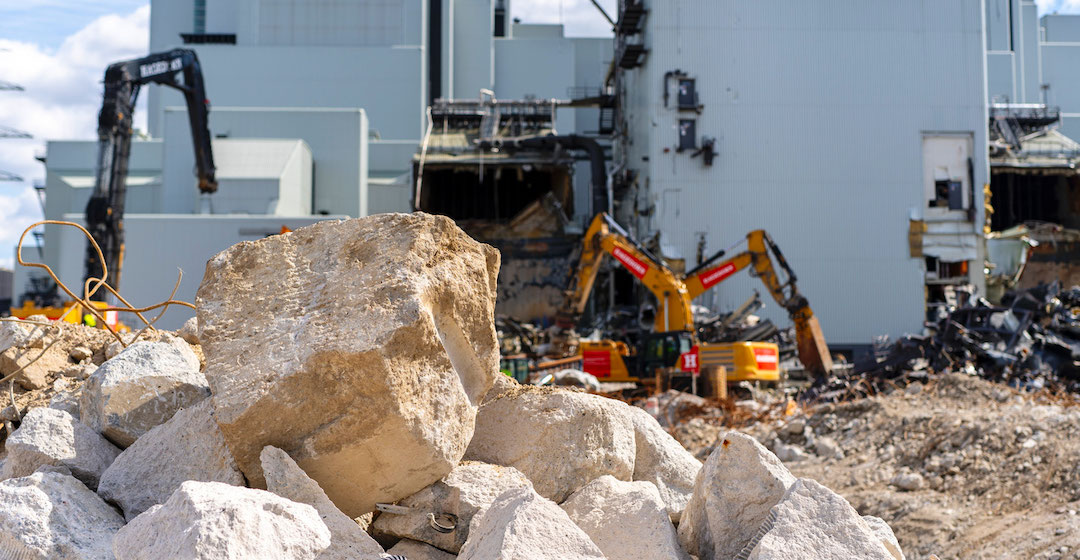
Photo above
Hamburger Energiewerke acquired the Moorburg coal-fired power plant from Vattenfall in March 2023. Vattenfall had won the bid in the auction held in December 2020 as part of the nationwide phase-out of coal-fired power plants. The company shut down the two 800-megawatt units. Demolition began in 2024. A 100-megawatt electrolysis plant for the production of green hydrogen is now being built on the site – with a potential capacity of 800 megawatts. © Hamburger Energiewerke GmbH



