
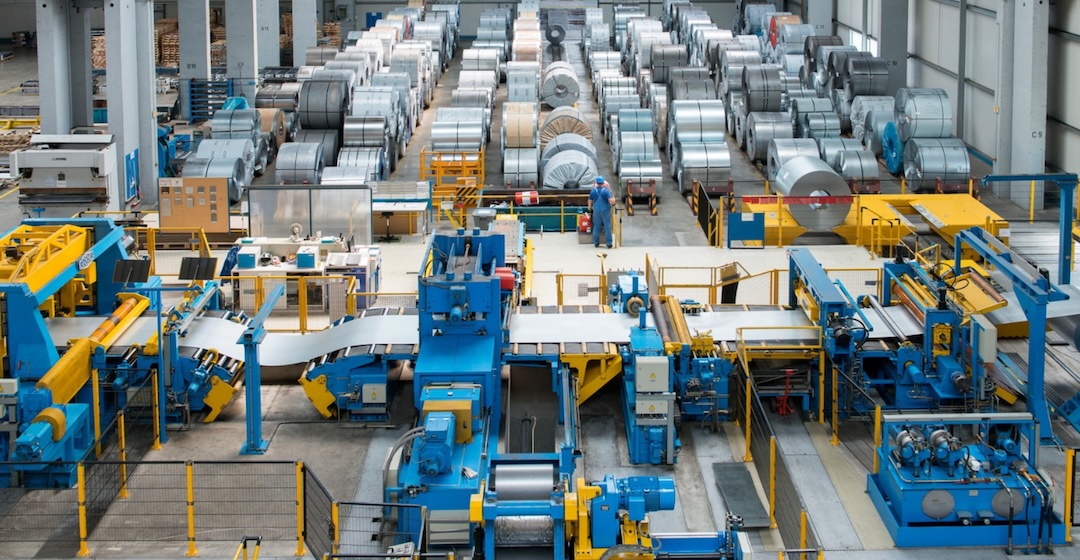
(Stockholm / Sweden) – Thyssenkrupp Materials Processing Europe has signed an agreement with Stegra AB for the supply of steel from Boden, Sweden. The first deliveries are scheduled to begin in 2027. The total tonnage of the agreement is reportedly "in the high six-figure range".
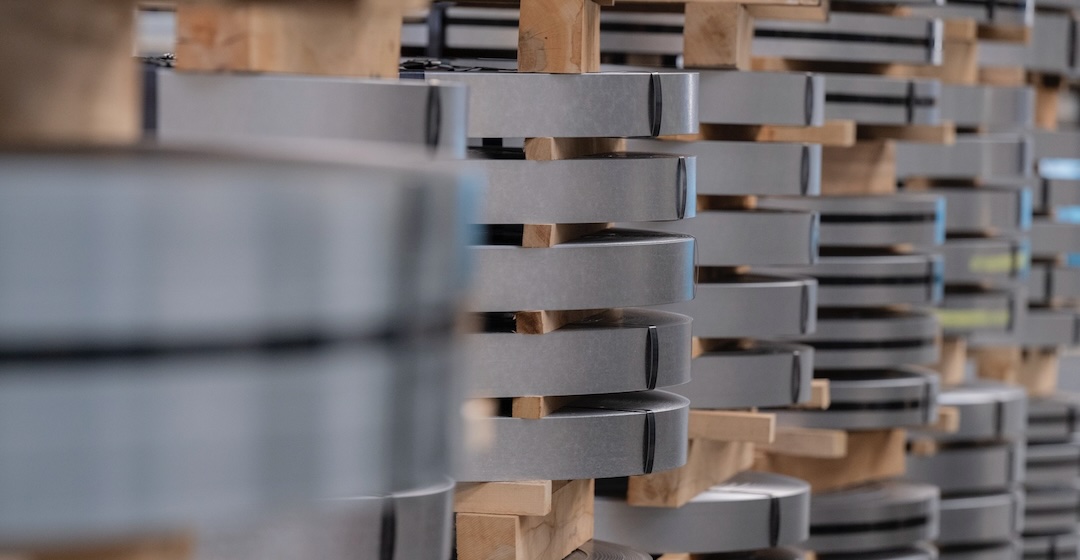
Stacked strip steel for delivery to customers. © Thyssenkrupp Materials Processing Europe
Thyssenkrupp Materials Processing Europe, part of Thyssenkrupp Materials Services GmbH, forms carbon steel, stainless steel, and aluminum into customized strips and sheets according to incoming orders. "We have the customer base, logistical capacity, and network to process these large quantities of steel," says Heather Wijdekop, CEO of the Processing business unit at Thyssenkrupp Materials Services. "At the same time, we are also working with Stegra to support the expansion of their large-scale plants in Boden and their efforts to decarbonize the steel industry."
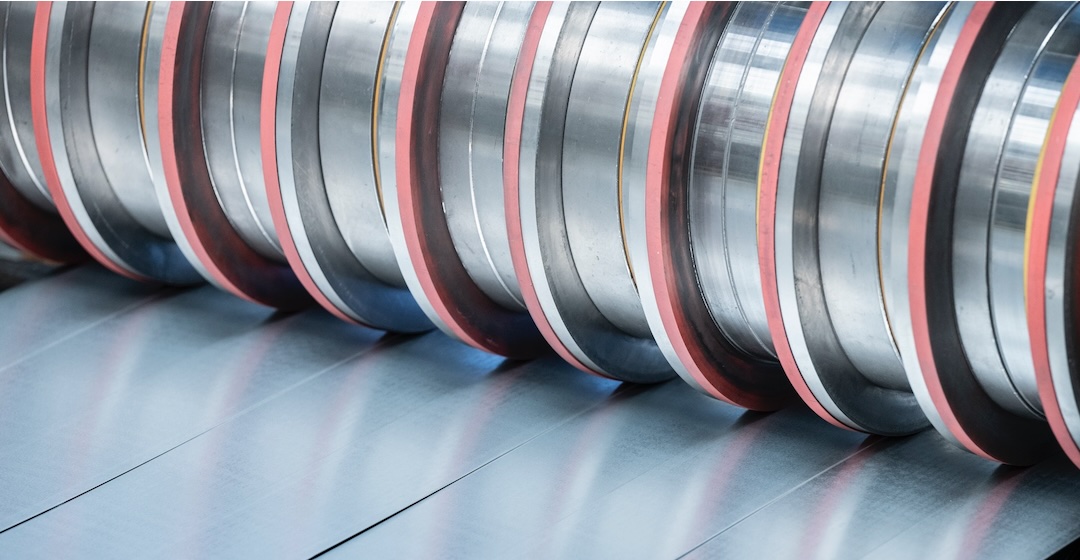
Thyssenkrupp is ordering "non-prime" steel from the future Stegra production line. This type of steel is a byproduct of steel mills and does not meet the highest quality standards, but is suitable for numerous applications. © Thyssenkrupp Materials Processing Europe
Stegra is currently building a new plant in Sweden that will produce steel using green hydrogen generated from renewable electricity. Thyssenkrupp is ordering "non-prime" steel from the future production: a durable material that does not meet the highest quality standards, but is a byproduct of steel production and suitable for numerous applications in sectors such as automotive suppliers, construction, and downstream processing.
“A partner for non-prime steel is important for the expansion of our steel plant,” says Stephan Flapper, Head of Commercial at Stegra. The steel purchased from Thyssenkrupp under this contract will not be traded as CO2-reduced, as Stegra intends to sell the green added value gained through hydrogen as Environmental Attribute Certificates (EACs) to other customers in the premium steel market.
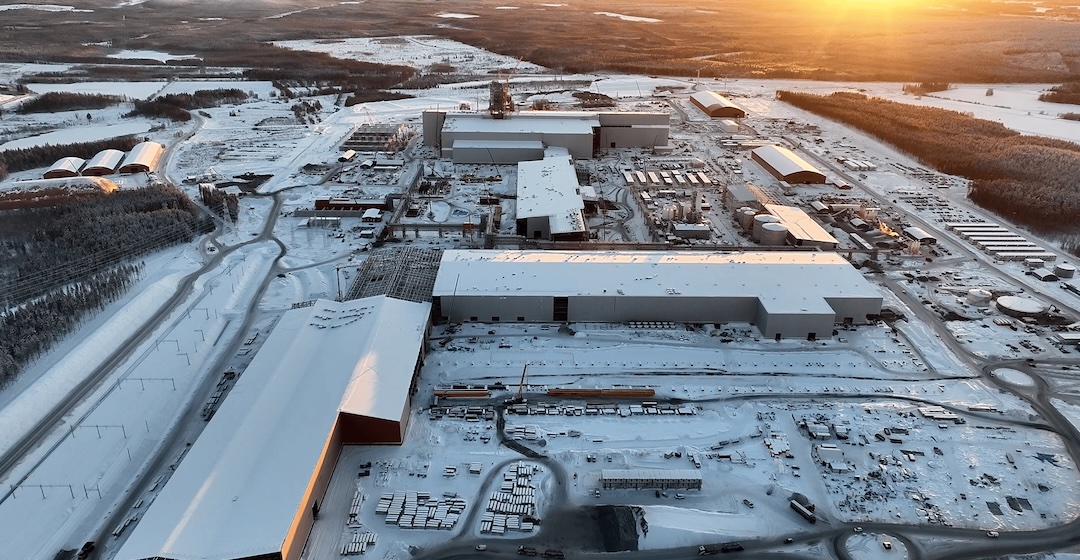
Construction site of the Stegra steel plant in Swedish soil. © Stegra AB
Last June, Dortmund-based Thyssenkrupp Nucera AG&Co KGaA delivered four electrolysis plants to Boden. The 20-megawatt alkaline electrolyzers are each 40 meters long and nine meters high. They are designed to produce more than 100.000 tons of green hydrogen annually for the direct reduction (DRI) plant. There, the hydrogen reacts with the oxygen in the iron ore, effectively filtering out the iron, which is then used to produce green steel.
The first steel production lines are scheduled to go into operation in 2026 using recycled steel scrap as raw material. Shortly thereafter, iron and steel production based on DRI (distributed recycled iron) will begin, and full production capacity will be reached in 2027, according to a previous Stegra press release. The company aims for stable operation of its plants for green hydrogen, green iron, and green steel by 2028.
Stegra was founded in 2020 as H2 Green Steel and changed its name to Stegra in 2024. It is headquartered in Stockholm. Thyssenkrupp Materials Services has approximately 15.500 employees worldwide and serves 250.000 customers in its core markets of Europe and North America. In fiscal year 2024/25, the company generated sales of €11,4 billion.
Photo above
Thyssenkrupp Materials Processing Europe manufactures steel products for further processing in the automotive industry and other sectors. © Thyssenkrupp Materials Processing Europe



