
(Vienna / Austria) – While the cross-border transport of green hydrogen from Austria to Germany via pipeline is possible under the existing framework, it is clear "that market ramp-up continues to be hampered by a lack of regulatory prerequisites, particularly the currently unavailable register of guarantees of origin in Germany." This is the unanimous conclusion of RAG Austria AG, Austria's largest gas storage company, and the energy supplier Bayernets GmbH. "We have demonstrated that cross-border hydrogen deliveries are technically and operationally feasible," says Bayernets Managing Director Matthias Jenn. However, the project partners are facing "a significant regulatory hurdle": Guarantees of origin issued in Austria cannot be transferred to Germany.
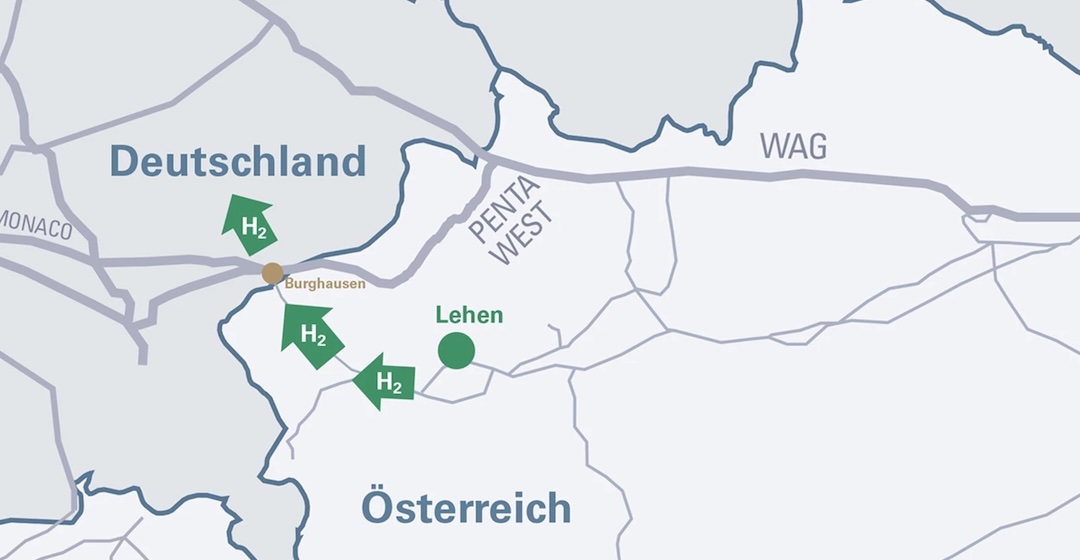
The hydrogen from RAG Austria in Austria is transferred to Bayernets in Germany near Burghausen. © RAG Austria AG
Since 2021, the initiators of the "H2 cross border" project have been building a cross-border hydrogen value chain, from production and storage to transport and delivery to the end consumer. In addition to RAG and Bayernets, Bayerngas GmbH and Shell Energy Deutschland GmbH are also involved. The Meggle Group, a dairy producer from Wasserburg am Inn, has been secured as a customer.
Since September 2024, RAG has been blending green hydrogen, produced via electrolysis and certified by TÜV Süd, into the existing natural gas network in Austria and transferring it to Bayernets in Burghausen. In January, the amount delivered was approximately 630 megawatt hours, according to the companies. This quantity has increased almost sixfold since the first delivery. Transport via pipeline from Austria to Germany is handled by Shell Energy, and the gas is then forwarded to Meggle.
Germany slows down market ramp-up
The fact that Germany still lacks a functioning register and that the Federal Environment Agency is not communicating a clear timeline "significantly slows down the market ramp-up and sends a problematic signal to investors and project developers," says Jenn. Without a "tradable and interoperable register," green hydrogen remains "a regulatory stopgap in a cross-border context."
While RAG and Meggle are registered in the Austrian database operated by the regulatory authority Energy Control Austria, the issued certificates cannot be transferred across national borders. "Consequently, the certificates of origin remain in the Austrian account and cannot be used or credited by the customer in Germany."
The responsible authority has not yet provided binding confirmation for commissioning, even for 2026. "The German Federal Environment Agency is slowing down the hydrogen rollout through excessive bureaucracy," criticizes RAG Managing Director Markus Mitteregger. "We need cross-border recognition of green hydrogen now to be able to continue implementing projects." Without an immediate change of course, "necessary investments and scaling projects will remain blocked."
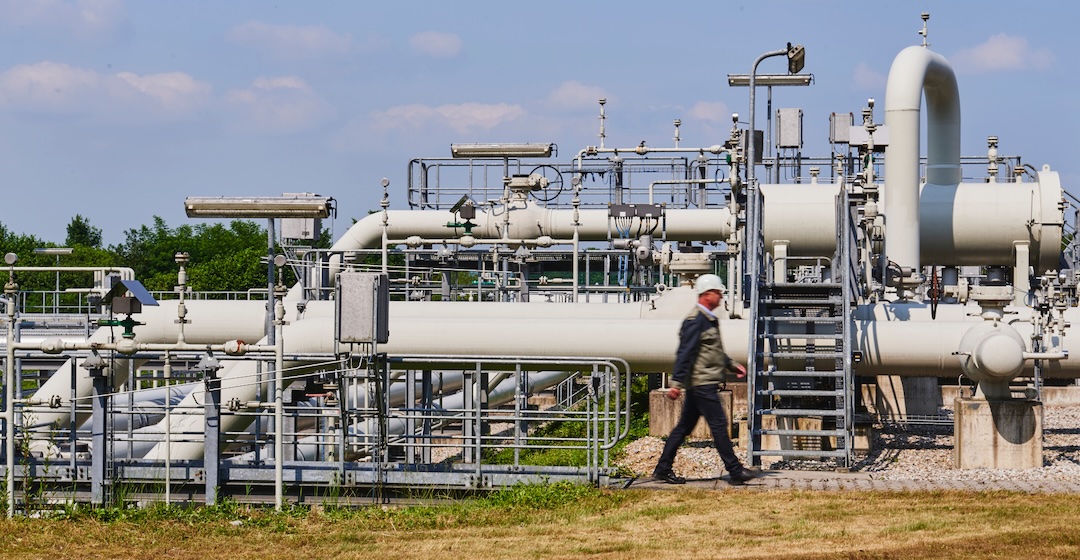
Photo above
The cross-border delivery of green hydrogen is technically feasible and is already practiced – however, the export of the certificate of origin from renewable sources is hampered by German bureaucracy, complain the companies involved in the transfer. © Bayernets GmbH



