
(Oulu, Finland) – The Finnish city of Oulu is positioning itself as a hub for the hydrogen economy. Three companies have received planning approvals from the city's environmental committee for facilities with a combined capacity of 1.500 megawatts in the Pyyryväinen industrial park. The 800-hectare site is located approximately ten kilometers from the city center. The companies' land requirements range from 15 to 41 hectares. These land reservations are only preliminary decisions; final investment decisions will be made at a later date.
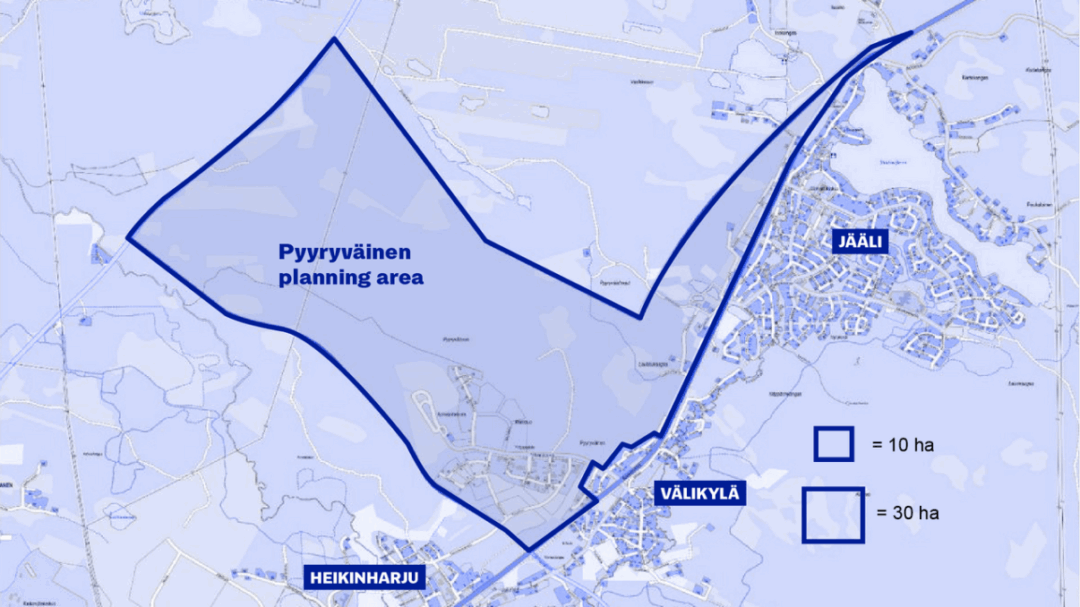
Pyyryväinen in the north of Oulu, about ten kilometers from the city center (Keskuta). © Oulu City Council
The city has granted planning approval to Energiequelle Oy, a subsidiary of Energiequelle GmbH, based in Zossen, Brandenburg, for the construction of a hydrogen production plant with an initial capacity of five megawatts, as well as a hydrogen refueling station for buses and heavy commercial vehicles. The project is planned for three phases, scheduled to go into operation between 2028 and 2033. In the next phase, production capacity is to be increased to ten to 50 megawatts. Ultimately, the electrolyzers could produce green hydrogen with a capacity of over 500 megawatts (MW).
First step towards an investment decision
"The current planning approval is the first step toward concrete investment decisions," says Karl Schultheis, Head of Business Development at Energiequelle Finland. Once the necessary infrastructure is in place, hydrogen exports could begin via the planned pipeline to the Port of Oulu.
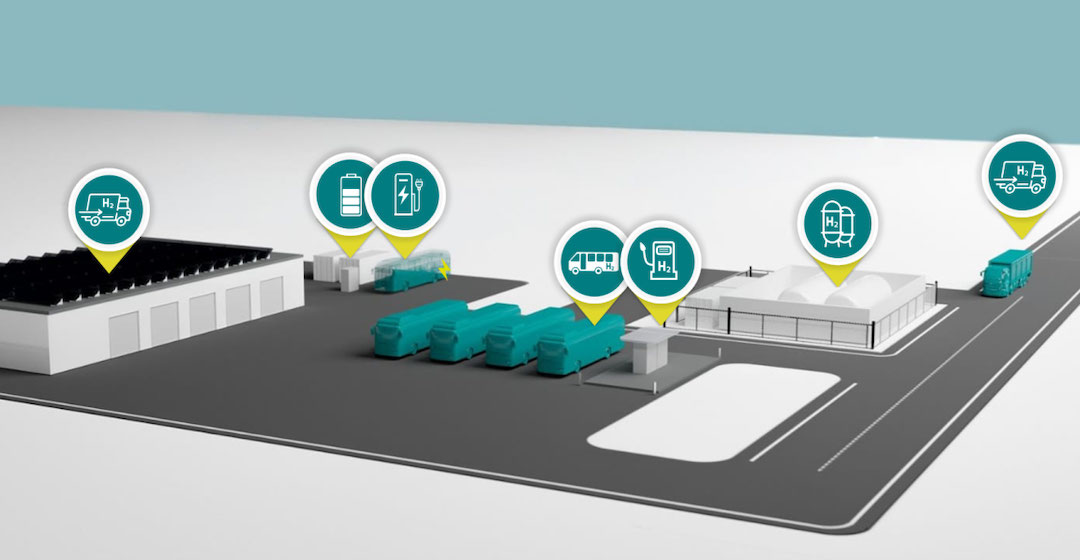
Rendering of the Energiequelle site in Oulu. © Energiequelle GmbH
The strategy of bundling several hydrogen production operators in the same area is the right one, says Nils Borstelmann, Managing Director of Energiequelle Finland: This supports the development of hydrogen infrastructure in the region. It is "exactly the kind of predictable investment environment and confidence-building measures we expect from local, national, and European decision-makers." The final timeline and full scale, however, depend heavily on the market situation.
ABO Energy plans 600 megawatts
The German ABO Energy Group has also received planning approval for the construction of a hydrogen production plant in Pyyryväinen. According to the company, the plant will have a maximum capacity of 600 megawatts when fully completed. Implementation by ABO Energy Suomi Oy, a subsidiary of the German ABO Energy KGaA, will also take place in two to three phases. The first phase could be operational between 2034 and 2036. In addition to hydrogen production, the company is investigating the possibility of producing methanol and sustainable aviation fuel (eSAF) in Oulu.
ABO Energy is also planning another hydrogen production plant not too far away, with a capacity of 200 megawatts. According to preliminary estimates, the yield will be 30.000 tons per year. Commissioning is scheduled for 2030 at the earliest. The site is the Kurunpuhdo industrial zone in Nivala, about 150 kilometers south of Oulu. The required green electricity will be generated in wind farms developed by ABO Energy throughout Finland, the company recently announced. The cumulative investment for the hydrogen plant and wind farms amounts to up to one billion euros.
In addition, an unnamed third company in Pyyryväinen plans to build electrolyzers with a capacity of approximately 400 megawatts in the region. The first phase of the plant is expected to be operational in 2030.
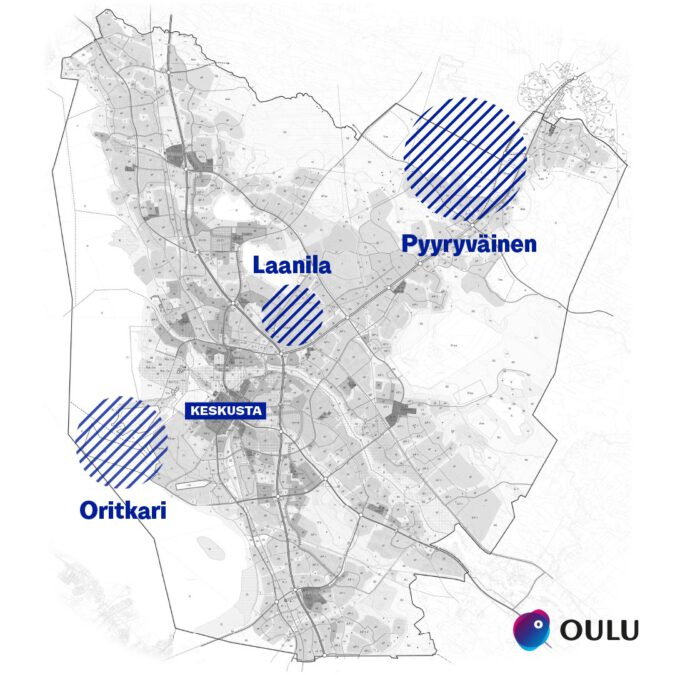
Planning map of three hydrogen project sites in Oulu. © Oulu City Council
But plans aren't being developed just for Pyyryväinen. According to its latest annual report, the local energy company Oulun Energia plans to build a hydrogen production plant in Laanila. A specific size was not specified, but it is referred to as "industrial scale." The company already operates a conventional district heating power plant there.
And in February, the City of Oulu and the French energy provider Verso Energy SAS signed a cooperation agreement for the construction of an eSAF factory with an annual production capacity of 80.000 tons in the Oritkari port area. The investment volume is estimated at €1,4 billion. The agreement is valid until the end of 2026. During this time, both parties are working on implementation (as we reported). Verso Energy has several hydrogen and synthetic fuel plants for aircraft and ships planned in France. The Oulu plant is one of the company's first projects abroad.
Starting next year, the fuel used at the EU's largest airports will be required to contain a two percent blend of sustainable aviation fuel. Currently, there are no production facilities for this in Finland. In the country, "the land-use planning process can be carried out in parallel with a company's project planning, which offers more flexibility compared to some other countries," emphasizes Marko Kilpeläinen, Head of Environmental Services for the City of Oulu.
Gasgrid builds infrastructure
To support the hydrogen projects, the Finnish state-owned gas grid operator Gasgrid Finland Oy is working on building a hydrogen transport infrastructure to connect the production facilities in Oulu with the rest of Finland and other European countries, including Germany. According to the company, Abo Energy's plant would also be connected to Gasgrid's planned national hydrogen network.
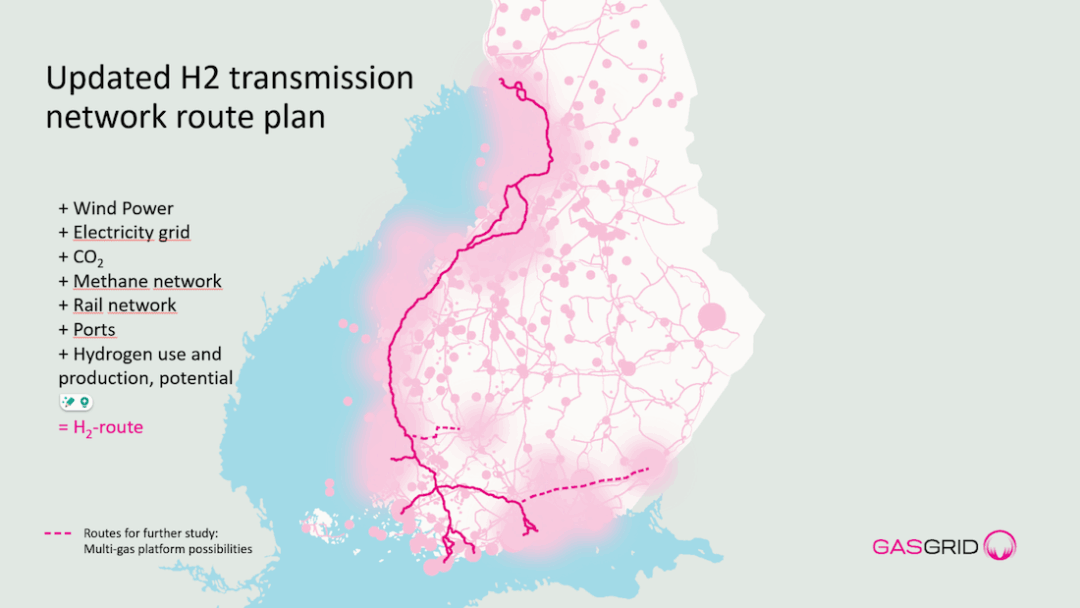
The pipeline network planned by Gasgrid will be built along the country's west coast and connect hydrogen producers and users. The map shows an update published at the end of November 2024. © Gasgrid Finland Oy
In January 2025, all three infrastructure projects planned by Gasgrid in the Baltic Sea region received financial support from the European Union. Funding for feasibility studies totaling €51,4 million was already applied for in April 2024. The Nordic-Baltic Hydrogen Corridor project is intended to connect the hydrogen markets in Finland, Estonia, Latvia, Lithuania, Poland, and Germany. The Nordic Hydrogen Route will create a link between Finland and Sweden along the Bay of Bothnia. The Baltic Sea Hydrogen Collector is developing offshore infrastructure between Finland, Sweden, and Central Europe.
The University of Oulu is also involved in developing a hydrogen economy. According to the city administration, it offers both high-quality hydrogen expertise and a large pool of hydrogen specialists to meet companies' labor needs.
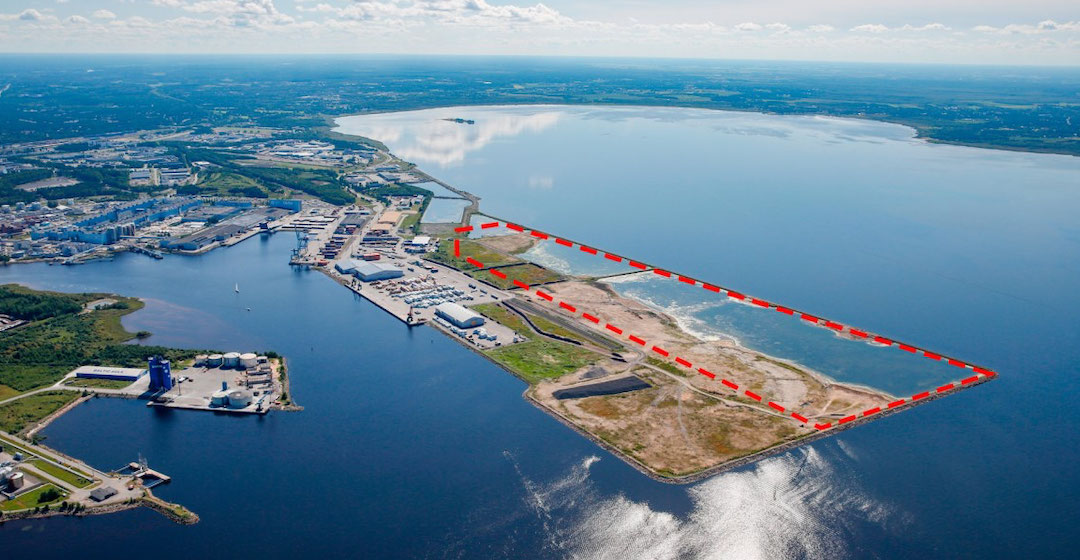
Photo above
Verso Energy has entered into a cooperation agreement with the City of Oulu to build an aviation fuel factory in the Oritkari port area. © Verso Energy SAS



