
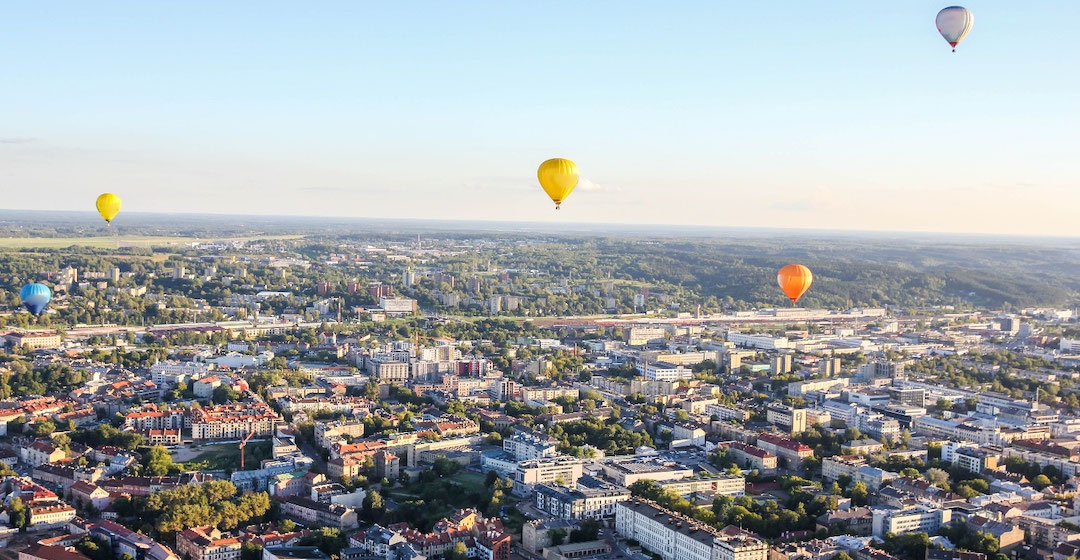
(Vilnius, Lithuania) – The Vilnius city administration has agreed to build an electrolyzer with Vilnius Heat Networks, Lithuania's largest central heat supplier. The engineering services provider MT Group will construct the plant. The contract is valued at ten million euros. Seventy percent of the financing will come from the European Union's structural funds, with the remaining costs borne by the Lithuanian capital.
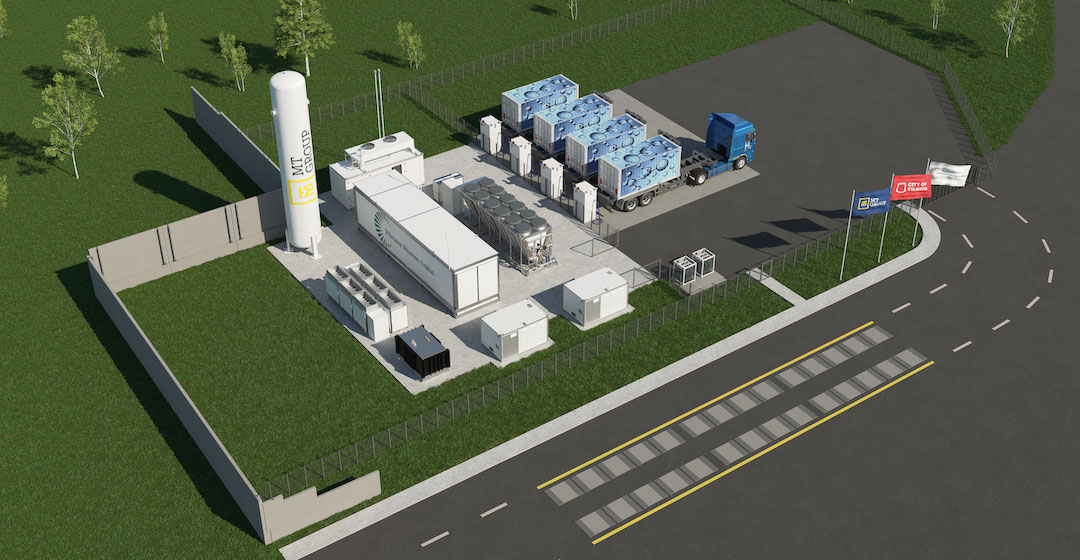
Illustration of the planned hydrogen production in Vilnius. © MT Group
The three-megawatt plant will produce approximately 3,4 million cubic meters annually, equivalent to approximately 2.000 megawatt-hours of thermal energy, said Gerimantas Bakanas, CEO of Vilnius Heat Networks. The hydrogen will eventually power 16 public transport buses, replacing diesel vehicles. "Vilnius will become the Baltic leader in hydrogen," said Mayor Valdas Benkunskas. "It's more than just an infrastructure project." The plant will contribute to reducing urban pollution." Commissioning is scheduled for the first half of 2026.
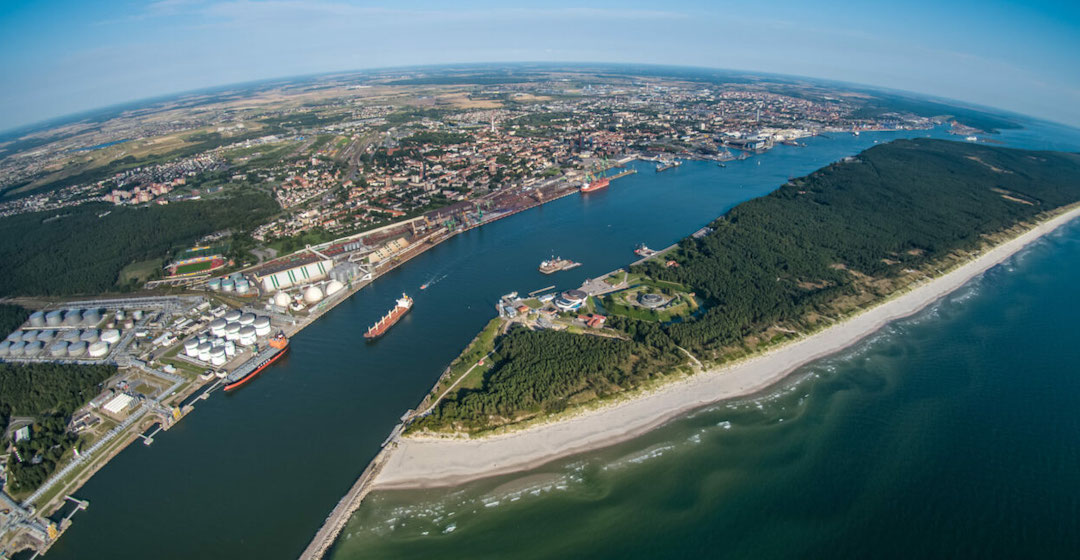
Klaipedia is getting the Baltics' first hydrogen filling station. © MT Group
Back in October 2024, the MT Group announced plans to build the first hydrogen refueling station in the Baltic states. The station will be located in the port of Klaipėda, about 300 kilometers from Vilnius on the country's west coast. The project also includes on-site production of green hydrogen. "As a strategic transport hub, the port of Klaipėda has great potential to become a flagship for green technologies in the Baltic Sea region," says Mindaugas Zakaras, CEO of the MT Group. The engineering services provider is handling all aspects of the project, from planning to commissioning, including the installation of technical equipment. According to the port authority, commissioning is scheduled for 2026.
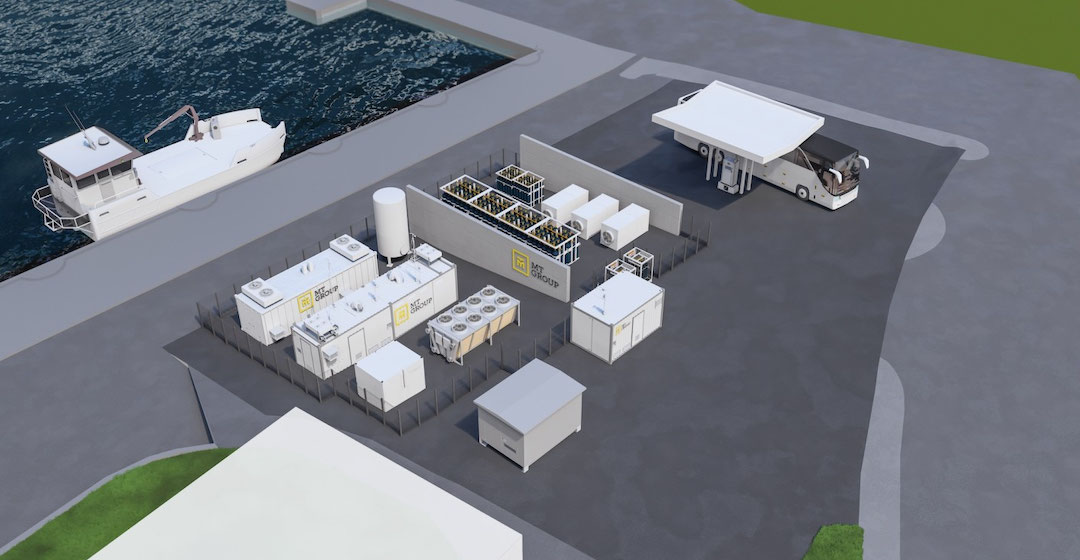
Illustration of the planned hydrogen filling station in Klaipedia. © MT Group
At the Port of Klaipėda, the green hydrogen will be produced through electrolysis using a polymer electrolyte membrane (PEM) electrolyzer. The power requirement is estimated at three megawatts. The station is expected to produce approximately 500 kilograms of hydrogen daily. The energy carrier will be stored in stationary tanks with a pressure of 550 bar and a very high pressure of 1.000 bar to "ensure a reliable and uninterrupted supply."
In January of this year, the MT Group selected Lithuanian Nord Steel UAB as the manufacturer and supplier. The company, which operates three steel mills in the country, will also supply a 40-bar green hydrogen storage facility. The contract is reportedly worth a total of €1,4 million. Nord Steel specializes in complex steel products, tanks, and other industrial plants and structures.
“Auctions-as-a-Service” at hydrogen auction
The second auction of the European Hydrogen Bank in March received 61 bids from projects in eleven countries. Lithuania participated in the "Auctions-as-a-Service" mechanism to finance projects that had participated in the auction but were not selected due to funding constraints. This allows member states to use their own national funds for development within their territory without having to conduct a separate auction at the national level, thus reducing administrative burden and costs for all involved. The European Commission approved aid schemes of €36 million for Lithuania for this purpose. Austria (€400 million) and Spain (also €400 million) also participated in this mechanism. The auction results are expected by the end of May 2025.
Photo above
The Lithuanian capital Vilnius plans to produce hydrogen for public transport. © Go Vilnius



