
(Valley City, USA) – The use of hydrogen in the steel sector has great potential to reduce carbon emissions by replacing fossil fuels in the production process. However, hydrogen produced from fossil gas offers no climate benefits and cannot solve the emissions problem of steel production. This is the conclusion of an analysis by the Institute for Energy Economics and Financial Analysis (IEEFA).
Blue hydrogen as a risky investment
The researchers warn that the use of blue hydrogen poses "a strategic risk for steelmakers," as they may "miss the transition to truly green steel and the growing market for low-emission materials." They could even "fall behind in the race to decarbonization."

Green hydrogen has emerged as the most important path to green steel. Salzgitter AG aims to reduce CO2033 emissions by around 95 percent by 2 through the direct reduction of iron. The wind turbines in the background are located on the company's premises and are already generating green electricity for electrolysis. © Andreas Lohse
Over the past year, the hype surrounding hydrogen has "largely given way to a more realistic understanding of its potential future role and production costs." Applications have been limited to a few key areas, including the iron and steel industry, where electrification alone may not be able to fully decarbonize the sector. While green hydrogen—produced using electrolysis and renewable energy—has emerged as "the most important route for green steel," its costs remain higher than expected.
Therefore, a number of countries and companies are considering blue hydrogen , which is produced from fossil gas in conjunction with carbon capture and storage (CCS) technology. Steel manufacturers such as the Korean company Posco Holdings Inc., as well as the two German corporations Thyssenkrupp and Salzgitter AG, have also explored the use of blue hydrogen in iron production. Furthermore, the (former) German government is advocating for a less stringent definition of clean hydrogen in the EU to facilitate the use of blue hydrogen by end users. However, the IEEFA paper highlights a number of problems that severely limit its potential for decarbonizing steel production.
Main problem: CCS not mature
One of the main problems with blue hydrogen is its dependence on carbon capture and storage (CCS). However, the track record of CCS technology for almost five decades has shown only significant performance deficits: the projects have consistently failed to meet their carbon dioxide capture targets. The IEEFA's research shows that the capture rates of existing blue hydrogen plants are significantly below the 95 percent often claimed by CCS proponents. As previously reported, the institute had already outlined this in a briefing note last August.
Methane emissions from H2 production underestimated
Furthermore, the emissions problem of blue hydrogen goes beyond carbon dioxide. The largest component of fossil gas is methane, whose emissions have a much stronger warming effect than CO2. "Methane escape rates from gas production and transportation have been significantly underestimated in reporting of total blue hydrogen emissions," the study states.
IEEFA's research showed that blue hydrogen would be extremely difficult to meet the emissions intensity targets of key markets such as the US, EU, Japan, and South Korea. Major oil and gas companies such as Shell and Equinor have abandoned their blue hydrogen projects, citing the difficulty of meeting strict EU carbon emissions regulations and a lack of demand. Stricter regulations will come into force in the coming years, making it increasingly difficult for blue hydrogen to attract end users such as steelmakers.
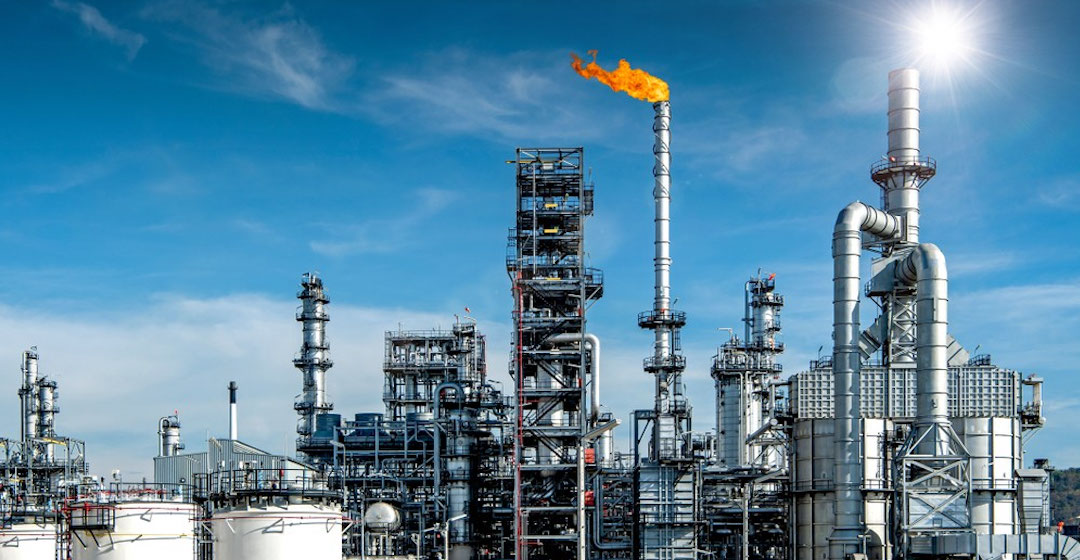
Investor trap: The use of natural gas to produce blue hydrogen is "likely to become obsolete in the coming years," according to the IEEFA study. © Settala Gas SpA
In iron production by direct reduction (DR), replacing natural gas with gas-derived hydrogen (grey hydrogen) does not reduce gas consumption or carbon emissions. DR technology provider Tenova emphasized that "the direct use of fossil gas followed by green hydrogen is the more efficient and economical approach compared to blue hydrogen for carbon reduction."
The cost advantage for blue hydrogen is likely to be "short-lived." In some countries well-positioned for production, it will be "possible to produce green hydrogen at lower costs than blue hydrogen by the end of this year."
Blue hydrogen is outdated technology
As the hydrogen landscape becomes increasingly pragmatic, "choosing the right color of hydrogen is critical to maximizing its decarbonization impact," says steel analyst and report author Soroush Basirat. Any investment in fossil-fuel-based hydrogen production carries the risk of "investors falling into a trap by committing to a long-term technology that is likely to become obsolete in the coming years." Basirat added: "Even though costs have not declined as rapidly as projected, green hydrogen remains the most effective long-term solution to address the decarbonization of primary steelmaking."
IEEFA: “ Blue hydrogen: A false hope for steel decarbonisation ”. Briefing Note, available free as a PDF (12 pages).
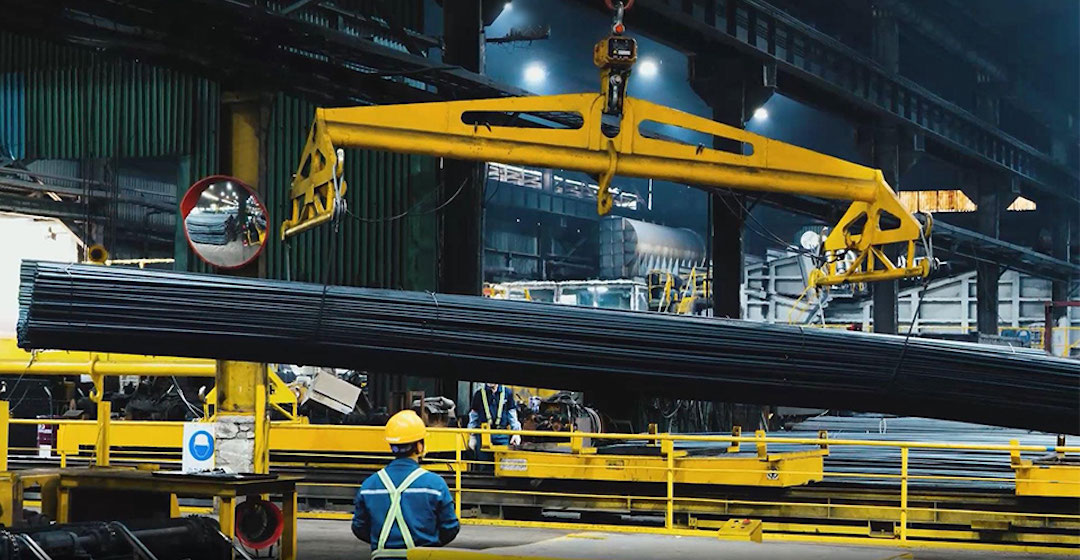
Photo above
The Korean company Posco is working on a concept called HyRex to reduce CO2 emissions in steel production. This involves melting directly reduced iron using powdered iron ore and clean hydrogen in electric furnaces based on fluidized-bed reactor technology. Posco also plans to replace the electrical energy used in the HyRex process with carbon-free energy. Posco Holdings' "New Experience of Technology Hub" is developing "high-temperature water electrolysis" technology, in which hydrogen is produced by electrolyzing steam at high temperatures above 700 degrees Celsius. It is expected that clean hydrogen, which is essential for the transition to HyRex in conjunction with small modular reactors (SMRs), can be produced economically in Korea. © Posco Group



