

Finland: Cefmof and Reduciner plan to develop new applications for hydrogen +++ Germany: Call for proposals for accompanying research on hydrogen +++ Austria: OMV hydrogen project loses investor from Abu Dhabi +++ Ivory Coast: AfDB supports green hydrogen projects in Africa with $20 million +++ Germany: Hydrogen opens up billions of dollars in potential for eastern Germany +++ USA: Hyroad Energy supplies hydrogen fleet of IMC Logistics in California +++ Germany: University of Stuttgart inaugurates Wave-H2 research platform +++ Germany: Uniper sells its stake in the OPAL hydrogen pipeline to Hy24
A selection of PtX topics summarized
+ + + + +
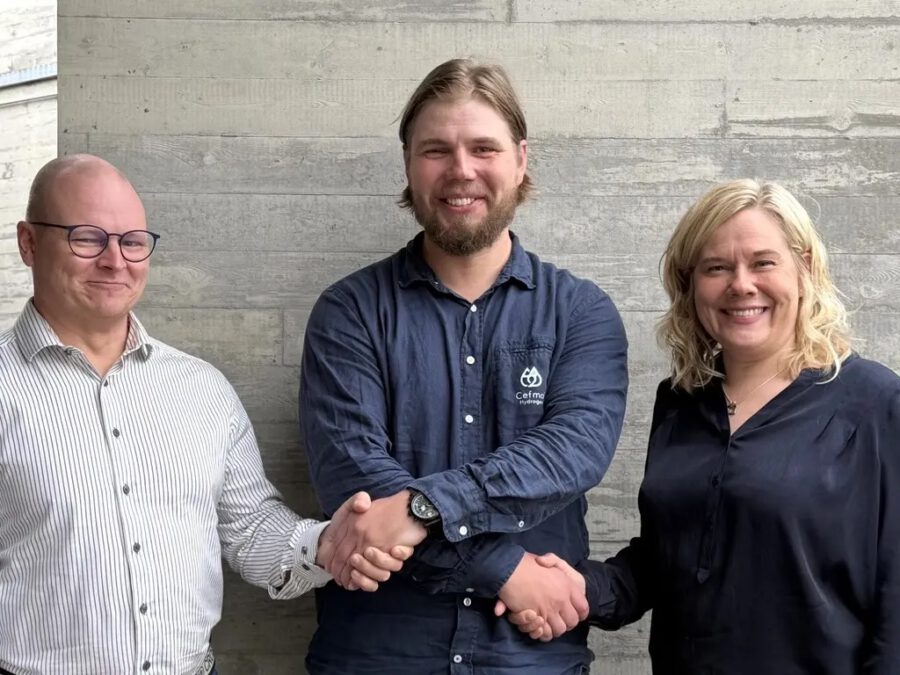
Agreeing on a collaboration (from left): Eemeli Tsupari (Reduciner co-founder and CTO), Oy Lauri Perämäki (CEO of Cefmof) and Johanna Grönroos (Reduciner co-founder). © Cefmof
(Finland) Cefmof Hydrogen Oy and the Finnish climate technology company Reduciner plan to develop new applications for hydrogen. Reduciner's technology offers a new way to convert carbon dioxide into synthesis gas, which can then be processed with renewable hydrogen. Cefmof Hydrogen sees great potential in the technology to expand the use of hydrogen and reduce carbon dioxide emissions. Cefmof operates Finland's first hydrogen refueling station in Jyväskylä and is building a hydrogen production plant there. The joint project will also launch in the Finnish city. Cefmof is investing €1,5 million in Reduciner, thereby becoming a shareholder in the company.
+ + + + +
(Germany) The Federal Ministry for Economic Affairs and Energy has launched a funding call for “Accompanying Research for the Hydrogen Mission in the Energy Research Program.” The aim is to strengthen the effectiveness, coherence, and visibility of hydrogen projects, promote professional exchange, and support the transfer of research into applications and decision-making. A key task of the consortium to be established will be to support the hydrogen research network, “create a reliable overview of the findings, data, and methods of the funded hydrogen projects, identify cross-project issues, and present results in a comparable manner.” Universities and research institutions can apply until September 30, 2026. Details about the funding call are available on the Ministry's website .
+ + + + +

In May 2025, OMV and Masdar signed a letter of intent. The collaboration for Bruck has now ended, but other projects continue. © OMV Aktiengesellschaft
(Austria) The oil and gas company OMV AG will have to proceed with its planned hydrogen project without the Abu Dhabi Future Energy Company PJSC (Masdar). According to the Reuters news agency , the state-owned energy company has withdrawn from the project. The decision is attributed to "strategic changes in Abu Dhabi," the report states. As previously reported, OMV and Masdar signed an agreement at the end of November 2025 to establish a joint venture that was intended to secure the financing, construction, and operation of the electrolysis plant in Bruck. The 140-megawatt electrolysis plant will go into operation by the end of 2027 even without Masdar and will produce up to 23.000 tons of green hydrogen. It is "the largest of its kind in Austria and one of the five largest in Europe." The €600 million project is reportedly not at risk. The European Investment Bank has already pledged a loan of €450 million, and Austria is also providing €123 million in public funds ( more information here ). The Abu Dhabi-based state oil company ADNOC co-founded Masdar in 2006 and holds a 24,9 percent stake in OMV.
+ + + + +
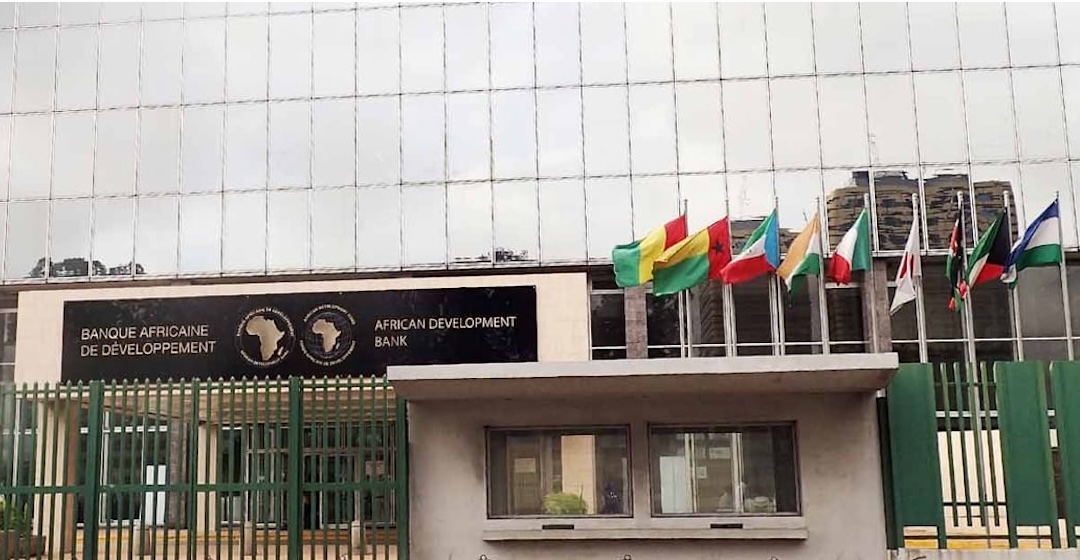
Headquarters of the African Development Bank (AfDB) in Abidjan, Ivory Coast. © AfDB
(Ivory Coast) The African Development Bank (AfDB) is supporting four green hydrogen projects in Egypt, Morocco, Namibia, and South Africa with grants totaling $20 million. The projects encompass sustainable marine and aviation hydrogens (Egypt, Morocco, and Namibia) as well as low-carbon iron (South Africa). According to the multinational organization, the "Ra" project in Egypt (co-financed by DAI Infrastruktur GmbH) will receive approximately $3,55 million, Guelmim Green Hydrogen Valley in Morocco (co-financed by Nareva Holding) will receive $5,28 million, the Hyphen project in Namibia (Hyphen Hydrogen Energy Pty Ltd) will receive $5,93 million, and Saldanha Hydrogen DRI in South Africa (Enertrag SE in cooperation with ArcelorMittal) will receive $5,24 million. The four projects are estimated by the AfDB to activate investments of $23 billion for 20 gigawatts of solar and wind power plants, seven gigawatts of electrolysis capacity, and 2.950 megawatt-hours of battery storage capacity.
+ + + + +
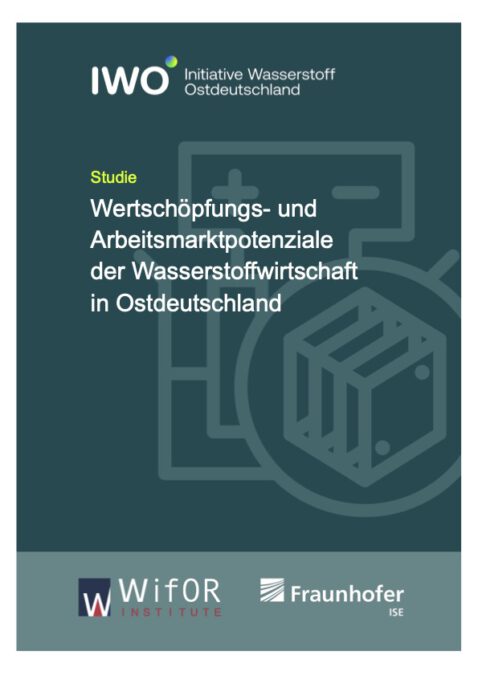
Study: By 2045, 20.000 people could find jobs in the hydrogen industry in the six eastern German states. © Initiative for Hydrogen in Eastern Germany (IWO)
(Germany) The production of hydrogen technologies opens up significant opportunities for industrial development and employment in eastern Germany. By 2045, the production of electrolyzers, their components, and intermediate products could generate up to €2,2 billion in gross value added annually. This is one of the findings of a study by the Initiative for Hydrogen in Eastern Germany (IWO), conducted by the WifOR Institute and the Fraunhofer Institute for Solar Energy Systems ISE. According to IWO Managing Director Dominik Härle, the opportunities of the hydrogen economy extend "far beyond the production and use of hydrogen." Electrolyzers benefit not only manufacturers but also companies in mechanical engineering, metal processing, and the electrical industry. In the baseline scenario, this would result in an employment effect of approximately 12.570 people, of which about 8.080 would be at electrolyzer manufacturers and 4.490 in eastern German supply chains. Depending on the market scenario, the number of jobs could range from around 4.300 to 20.000. IWO is the joint platform of Berlin, Brandenburg, Mecklenburg-Western Pomerania, Saxony, Saxony-Anhalt, and Thuringia to promote the hydrogen economy across state borders. The study "Value Creation and Labor Market Potential of the Hydrogen Economy in Eastern Germany" is available free of charge as a PDF (87 pages).
+ + + + +

Hyroad signs refueling and maintenance contract with IMC Logistics for fuel cell trucks. © Hyroad Energy
(USA) Hyroad Energy, a provider of hydrogen-powered commercial vehicles for fleets, has entered into an agreement with transportation company IMC Logistics for refueling and maintenance of its fleet of fuel cell trucks. According to the company, the workshop services for the vehicles operating in California will be performed at IMC's facilities. The agreement provides the logistics company with a single point of contact to keep its hydrogen trucks operational. "This support at our Fontana location allows us to further expand our offering of zero-emission transportation solutions along our customers' supply chains," says Jim Gillis, President of IMC Logistics Pacific Region. Hyroad recently opened a hydrogen refueling station in Santa Fe Springs. Hyroad Energy, a trading name of Texas-based Simoneta Ltd., leases Class 8 (over 15 tons) fuel cell trucks as a "Truck-as-a-Service" model. Billing is based on mileage. In 2025, Hyroad Energy purchased 113 fuel cell trucks from the bankrupt Nikola Corp.
+ + + + +
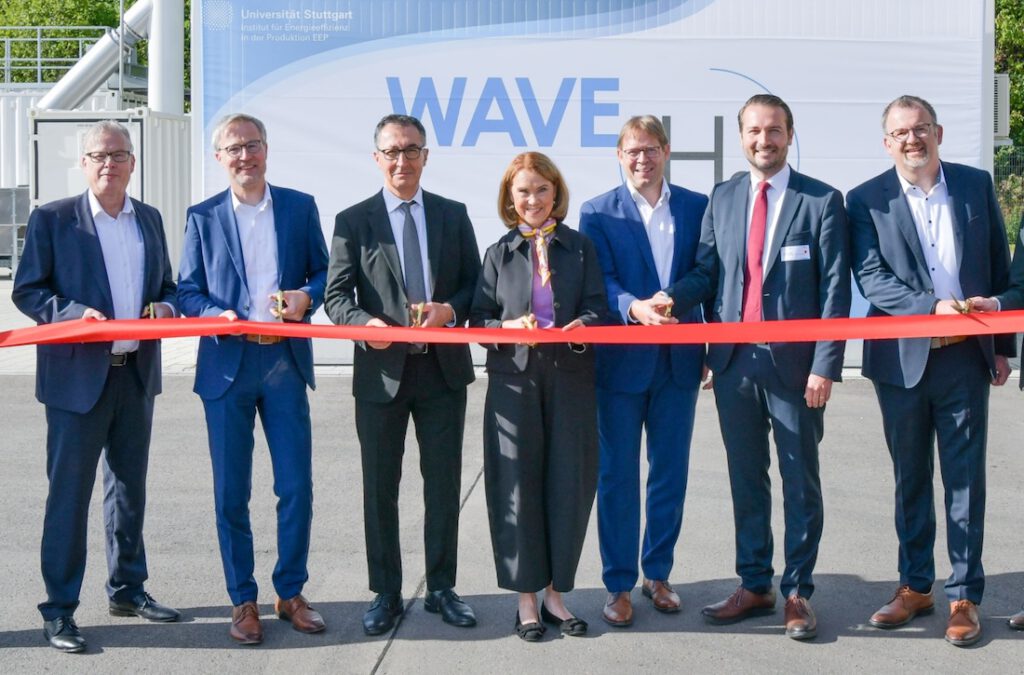
Opening of the Wave-H2 industrial research platform in Freudenstadt in the presence of representatives from research and politics. Baden-Württemberg's Minister-President Cem Özdemir was also present (3rd from left). © University of Stuttgart / Max Kovalenko
(Germany) The University of Stuttgart has inaugurated the hydrogen research platform "Wave-H2." Located on the Freudenstadt campus, the platform offers companies and businesses that manufacture systems, components, and software for industry "a realistic environment for developing new energy and hydrogen technologies, integrating them into existing systems, and testing them on an industrial scale." Wave-H2 ("Adaptable, energy-flexible, and networked H2 industrial research platform") covers the entire hydrogen value chain, from production and power-to-X technologies to the development of chemical hydrogen storage and fuel cell technologies, and decentralized hydrogen utilization concepts. This is the university's second Wave-H2 location. It complements the facility inaugurated in January 2026 on the Stuttgart-Vaihingen campus ( more information here ). Researchers and companies use the innovation modules in Stuttgart for laboratory-scale experiments. The platform in Freudenstadt now also enables testing on an industrial scale. The Federal Ministry of Research is funding the development with approximately 36 million euros.
+ + + + +
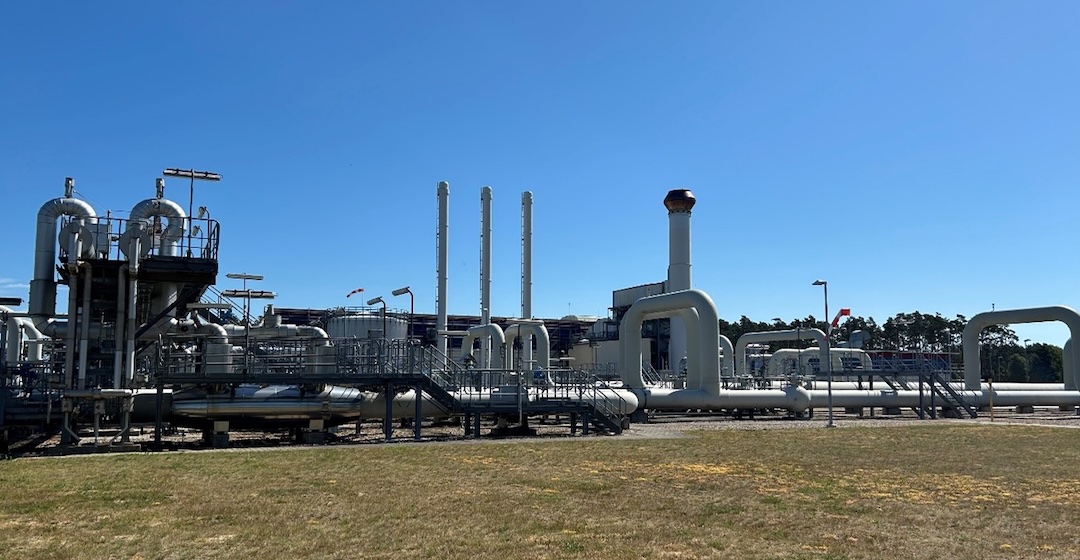
Uniper sells its stake in the OPAL hydrogen pipeline to Hy24. © Uniper SE
(Germany) Energy company Uniper is selling its 20 percent stake in the OPAL gas network to venture capital firm Hy24 through the sale of Lubmin-Brandov Assets GmbH & Co. KG. The company stated that this is part of the conditions Uniper must meet under EU state aid rules. The remaining 80 percent of the shares are held by long-distance gas network operator Gascade Gastransport GmbH. OPAL is one of Europe's largest transport corridors, stretching approximately 470 kilometers from Lubmin in Germany to Brandov in the Czech Republic. As part of Germany's core hydrogen network, the northern section of OPAL was converted in mid-December 2025, while the southern section is expected to follow by the end of 2030. Hy24 is an investor in the hydrogen sector, focusing on infrastructure, technology, and industrial projects that support the development of a climate-neutral hydrogen economy. Hy24 is acquiring the stake through its "Clean Hydrogen Infrastructure Fund."
+ + + + +
Photo above
iStock / © Danil Melekhin



