

Germany: Hearing on the amendment to the Energy Industry Act +++ Brussels: Hydrogen industry has another lobby group +++ Germany: Solaris delivers 19 hydrogen buses to Krefeld +++ Oman: Tender for 1 GW hydrogen production +++ Germany: Uniper receives preliminary approval for hydrogen-capable combined cycle power plant +++ (USA) Hyroad and THS want to develop hydrogen filling stations +++ Germany: Saarbahn puts hydrogen filling station into operation +++ Scotland: H2VS acquires truck developer HVS +++ Singapore: Authorities issue tender for three H2-ready gas-fired power plants +++ Germany: Market survey on the demand for hydrogen storage +++ Latvia: Consortium wants to develop hydrogen corridor to Germany +++ Germany: Fraunhofer IMM designs engine for ammonia +++ Germany: Bremen receives nine million euros for “Hydrogen Valley”
A selection of PtX topics summarized at the end of the week
+ + + + +
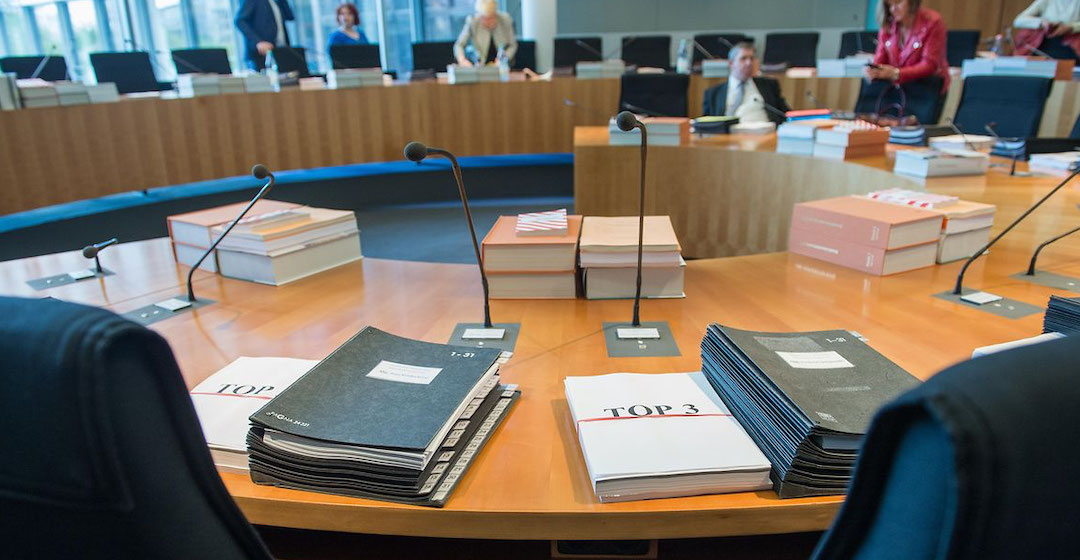
A public hearing on the amendment to the Energy Industry Act will take place on May 20. © German Bundestag / Simone M. Neumann
(Germany) The Committee on Economic Affairs and Energy has scheduled a public hearing on the draft law to amend the Energy Industry Act and other energy law regulations for the implementation of the European Gas and Hydrogen Internal Market Package . The hearing will take place on Wednesday, May 20, from 14 p.m. to 16 p.m. The reform aims to restructure the gas pipeline network in Germany and regulate the infrastructure for hydrogen. In the future, hydrogen will have regulated network access similar to that in the gas sector, which means, among other things, that operators will have to grant connection to and access to their pipelines.
+ + + + +
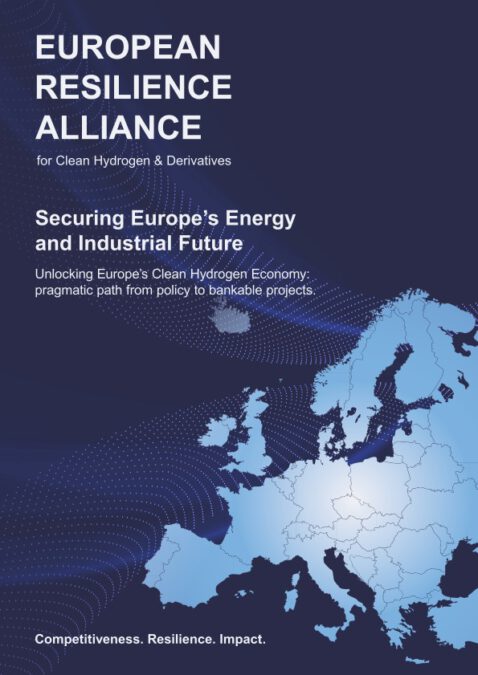
White paper from the newly founded “European Resilience Alliance for Clean Hydrogen & Derivatives” (ERA). © ERA
(Brussels) A new lobbying group, the "European Resilience Alliance for Clean Hydrogen & Derivatives" (ERA), aims to accelerate the use of clean hydrogen. It is a pan-European, CEO-led initiative uniting leading industrial companies across the entire value chain. To advance the decarbonization and resilience of European industry, the alliance intends to strengthen the production of low-carbon fuels, industrial feedstocks, and products in Europe, improve policy support and financing, and promote scalable markets, networks, and cross-border corridors. Founding members include Enagás (Spain), Fluxys (Belgium), Gasgrid Finland (Finland), Moeve (Spain), Nordion Energi (Sweden), OGE (Germany), RWE Generation (Germany), SEFE (Germany), Stegra (Sweden), and Thyssenkrupp (Germany). The ERA has published a white paper with concrete policy recommendations for the implementation of clean hydrogen projects in Europe. According to the report, despite large project pipelines along the entire value chain, less than seven percent have reached the final investment decision. Reasons cited include fragmented implementation of EU regulations, complex rules for renewable non-biological fuels (RFNBO), high electricity costs, insufficient demand, and uncertainties regarding infrastructure development. The white paper "Securing Europe's Energy and Industrial Future" is available as a PDF (32 pages).
+ + + + +
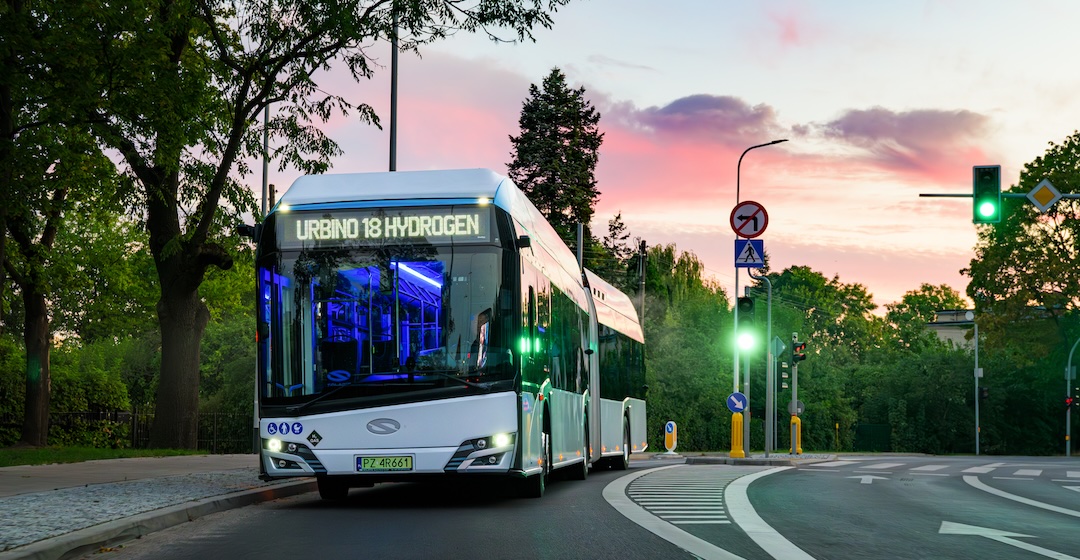
The "Urbino 18" fuel cell buses will soon be operating in Krefeld. © Solaris Bus & Coach sp. z o.o.
(Germany) Polish vehicle manufacturer Solaris Bus & Coach sp. z o.o. has won a tender to supply 19 fuel cell buses to bus operator SWK Mobil Krefeld (North Rhine-Westphalia). The order comprises nine "Urbino 12" models and ten "Urbino 18" articulated buses. Delivery is scheduled for 2027. The 12-meter vehicles have a power output of 160 kilowatts, while the 18-meter articulated buses deliver 240 kilowatts. The vehicles will be equipped with features including camera systems that replace traditional mirrors. This is not the first order for hydrogen-powered buses from Krefeld. In 2025, Solaris already delivered ten "Urbino 12" buses to the city on the Rhine. According to Solaris, the company has delivered over 800 hydrogen buses to date, half of which went to Germany.
+ + + + +
(Oman) The state-owned electricity and water supplier Oman Power and Water Procurement Company (SAOC) has launched a tender for the development of a hydrogen production facility. Offers are sought for plants with an installed capacity of 800 to 1.000 megawatts. Interested parties can request the tender documents until May 31. Bids must be submitted by June 21, 2026.
+ + + + +
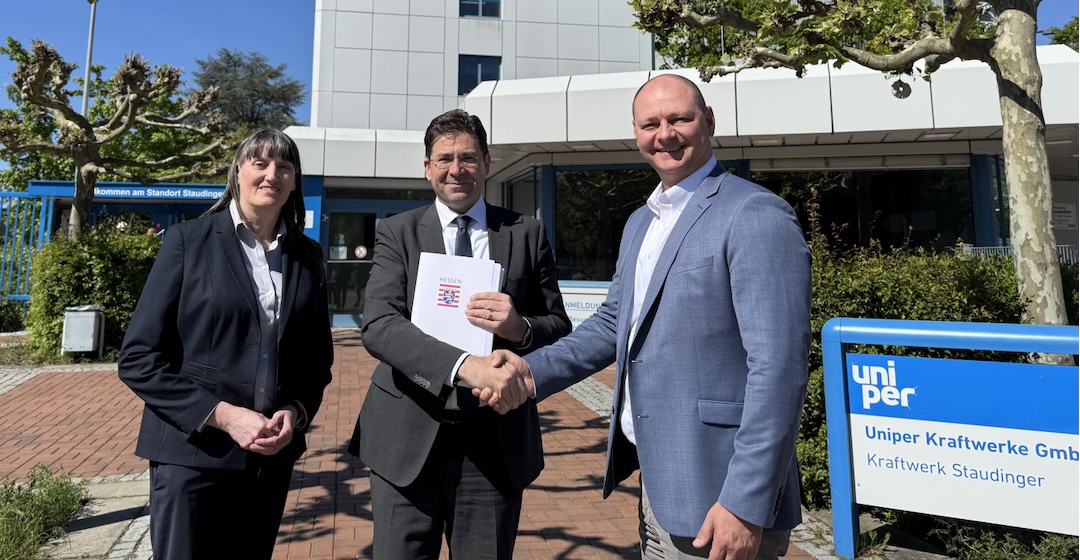
Handover of the preliminary permit for Unit 8 at the Staudinger site in Großkrotzenburg (from left): Andrea Henkes (Darmstadt Regional Council), Jan Hilligardt (Regional President), Andreas Armenat (Head of Staudinger Power Plant). © Uniper Kraftwerke GmbH
(Germany) Energy supplier Uniper SE has received preliminary approval for the construction of a hydrogen-capable combined cycle gas turbine (CCGT) power plant in Großkrotzenburg, Hesse. The plant, located east of Frankfurt, has a planned capacity of 890 megawatts. According to the company, Uniper clarified "key questions regarding the feasibility and permissibility of the project early and definitively" during the preliminary approval process. The aim of this procedural step is to minimize project risks at the earliest possible stage, before the actual permitting processes are initiated. The process was coordinated in close cooperation with technology partner Siemens Energy. Applications for the first partial permit are expected to be submitted in the third quarter of 2026, and the second partial permit for the construction and operation of the plant in the second quarter of 2027. Uniper has a cumulative generation capacity of 18,5 gigawatts in Europe. In Germany, the company supplies around 1.000 municipalities and industrial companies with energy and services.
+ + + + +
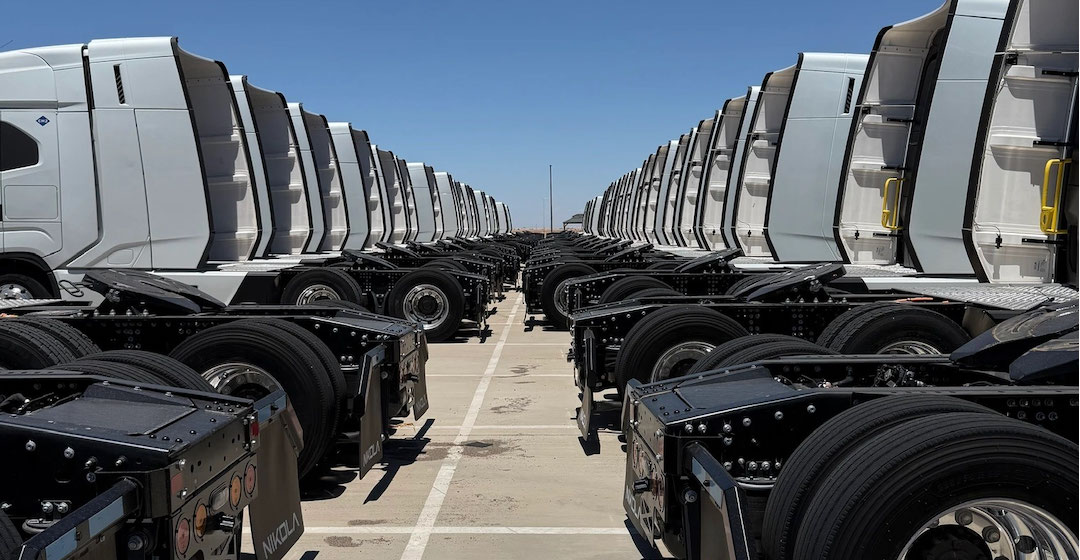
In August 2025, Hyroad acquired 113 fuel cell trucks from the bankruptcy estate of the insolvent Nikola Corp. © Hyroad Energy
(USA) Hyroad Energy, a provider of hydrogen-powered trucks, will partner with Total Hydrogen Solutions (THS), a division of Pneumatic & Hydraulic Company LLC, to develop and operate a new hydrogen refueling station (HRS) in Katy, Texas. As part of the agreement, Hyroad has signed an offtake agreement for the station's full capacity to meet the growing refueling needs of its fleet customers in the state. The electrolyzer-equipped station will be designed, built, and operated by THS. The station, with its end-to-end hydrogen solutions, is the kind of scalable, reliable infrastructure the industry needs, says Mark Mire, CEO of Total Hydrogen Solutions. Completion is planned for later this year.
+ + + + +
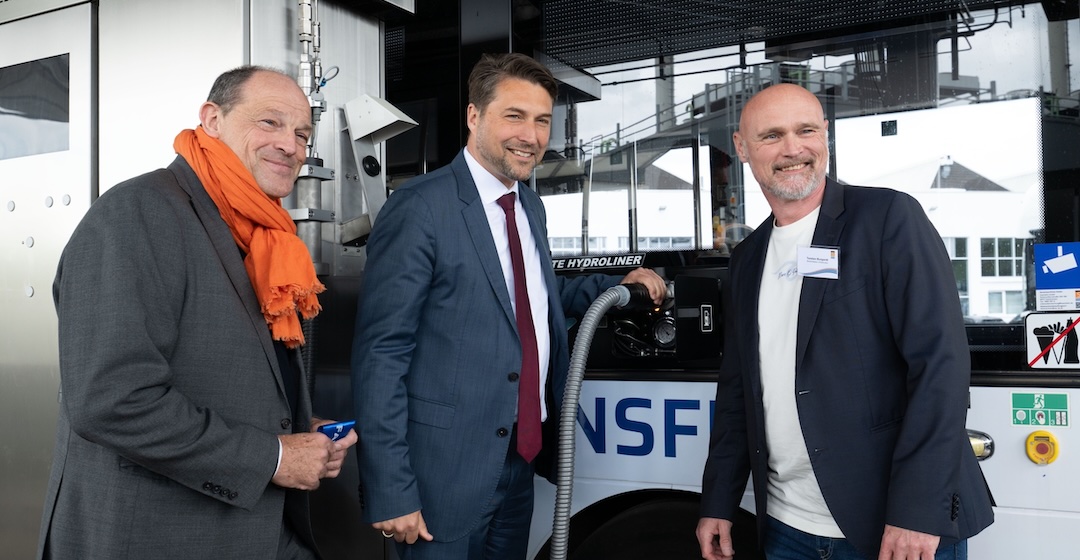
Saarbahn GmbH puts a hydrogen filling station into operation (from left): Saarbahn Managing Director Karsten Nagel, Mayor Uwe Conradt and Head of Infrastructure at Saarbahn Torsten Burgardt. © Saarbahn / Iris Maurer
(Germany) Saarbahn GmbH has commissioned a hydrogen refueling station (three dispensers, 350 bar) with a total capacity of 2,4 tons in Saarbrücken after a ten-month construction period. The public transport company's 28 fuel cell buses will be refueled there with green hydrogen. This will allow Saarbahn to avoid up to 2.000 tons of CO2 annually compared to diesel-powered buses. The "Kite Hydroliner" buses from the Northern Irish manufacturer Wrightbus, with a range of approximately 400 kilometers, have been in operation since last summer. The tank capacity is 36,5 kilograms, and refueling takes ten minutes. The refueling station technology was supplied by Schwelm Anlagentechnik GmbH and can be expanded as needed. The hydrogen is delivered by truck trailer. The plan is to source the energy carrier from Freisen, about 60 kilometers away, starting in 2028, where it will be produced in an electrolyzer at the local wind farm. The Saarland Ministry for the Environment is supporting the construction of the electrolyzer with approximately €2,7 million. Saarbahn is investing €7,6 million in the hydrogen infrastructure, of which €3,06 million is being funded by the Federal Ministry for Digital and Economic Affairs (BMDV).
+ + + + +
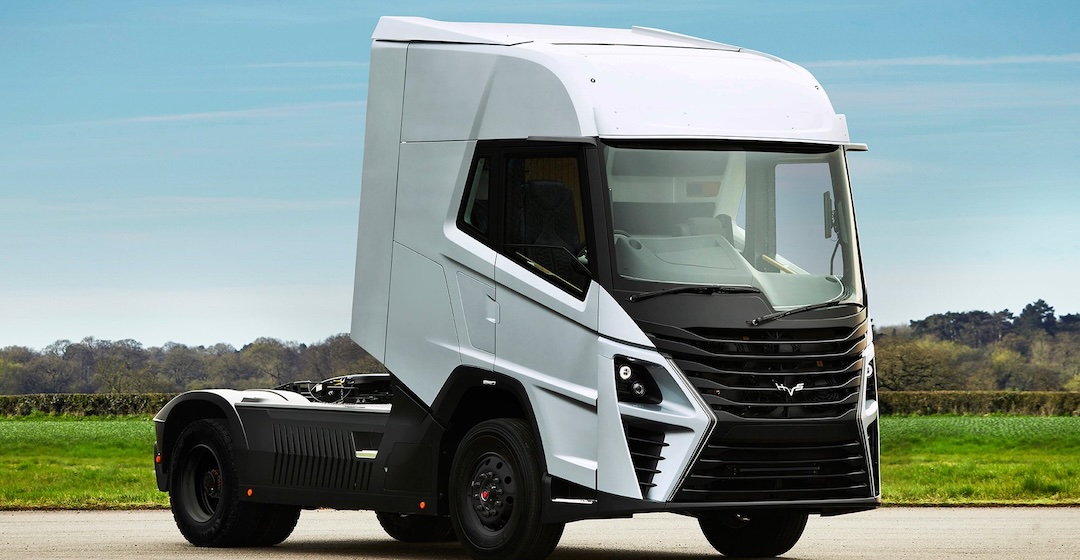
In April 2023, HVS unveiled the design of its first fuel cell truck. The 40-ton vehicle was designed for heavy goods transport (HGV) with a range of 370 miles (600 kilometers). © Hydrogen Vehicle Systems
(Scotland) Glasgow-based Hydrogen Vehicle Systems Ltd. (HVS) has been sold for a bargain price of £145.000 (€167.000), averting its liquidation. The company had filed for administration due to long-standing financial problems, according to the Herald newspaper , citing the administrator. Founded in 2017, the company, with more than 70 employees, specializes in the manufacture and design of hydrogen vehicles. It was unable to attract further investors until January 2024, resulting in a mountain of debt. Consequently, salaries were cut and the Glasgow headquarters were abandoned, the newspaper reports. Until January 2025, the company was run with a limited budget by its directors and a small group of founding members. The similarly named Glasgow-based H2 Vehicle Systems Ltd. (H2VS) has now acquired the tangible and intangible assets, preventing immediate closure. Ongoing research and development projects will continue.
+ + + + +
(Singapore) The Energy Market Authority (EMA) has launched a tender for three hydrogen-ready gas-fired power plants to meet Singapore's growing electricity demand. One is scheduled to be online by 2031, the other two by 2032. Each plant will be designed for a minimum capacity of 600 megawatts. According to the authority, Singapore's electricity demand will grow by 2,4 to 4,8 percent annually (2,0 to 4,8 gigawatts) until 2034. An installed power plant capacity of 9,6 to 11,4 gigawatts will be needed by 2031. Applications can be submitted until June 24 (for the 2031 plants) and September 30 (for the 2032 plants).
+ + + + +
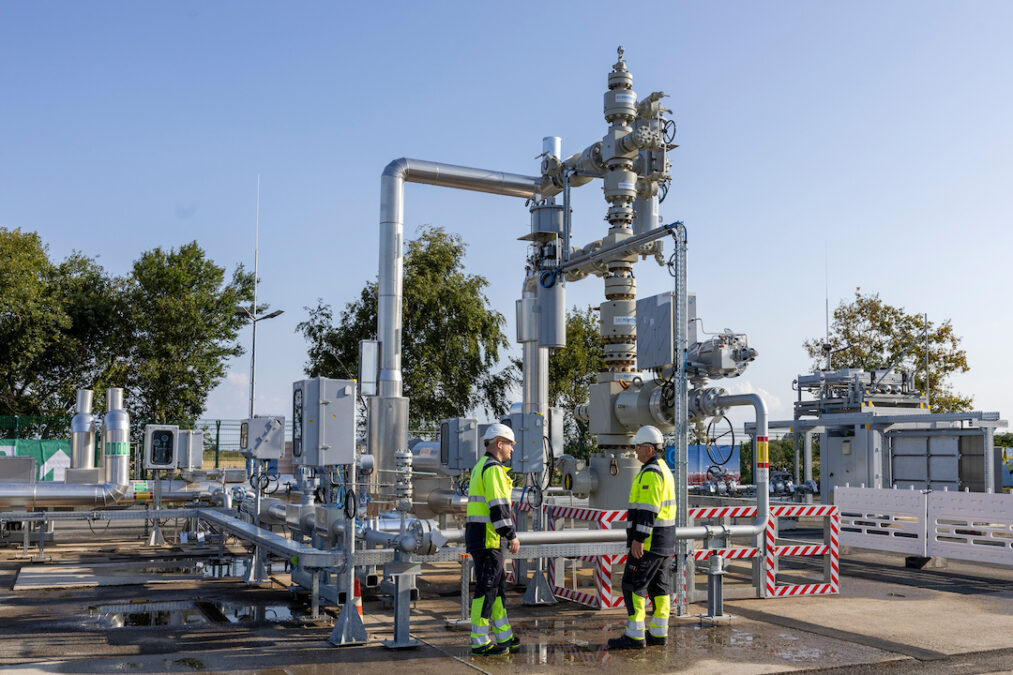
Uniper's "Hydrogen Pilot Cavern" demonstration plant has a total storage volume of nearly 500.000 standard cubic meters of hydrogen. © Uniper / Andreas Burmann
(Germany) The Initiative Energien Speichern eV (INES) will conduct its "Market Assessment for Hydrogen Storage" (MAHS) survey again in 2026. The aim is to determine future storage capacity needs and create a reliable basis for investment decisions. A first MAHS was conducted in 2024; the 2026 survey is intended to adapt the data to current market conditions. Furthermore, the survey structure has been further refined to allow for more precise statements regarding storage requirements, hydrogen production, and hydrogen use. The market survey will be available until June 5th via the INES website and is available in German and English.
+ + + + +
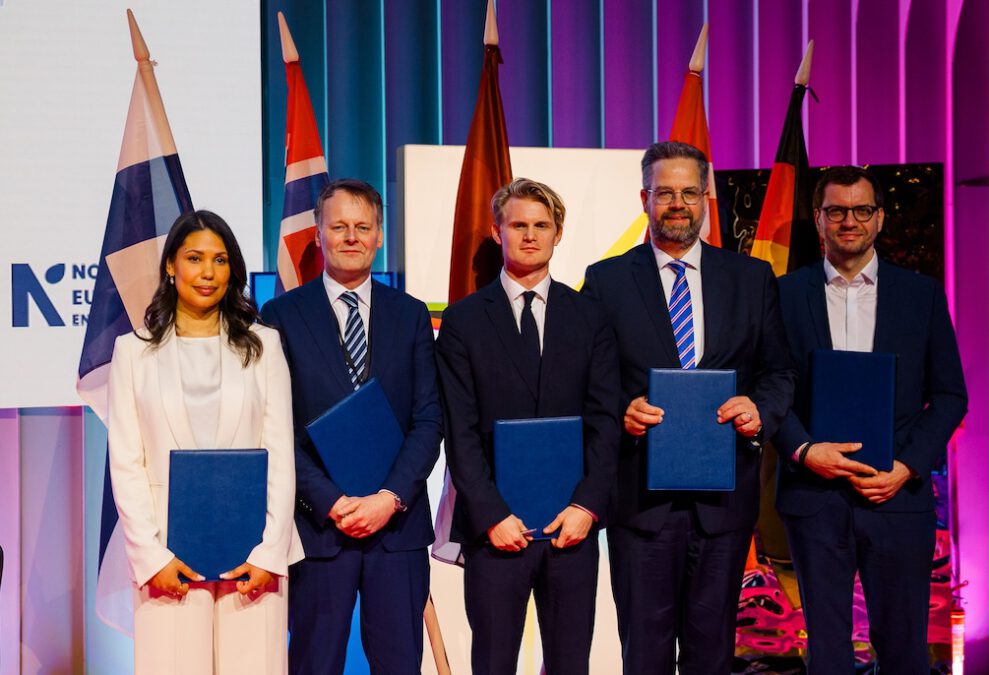
In Riga, several companies agreed to investigate the construction of a hydrogen corridor to Germany. © Northern Europe Energy Group AS
(Latvia) Northern Europe Energy Group AS, SEFE, and the Baltic Sea Hydrogen Collector (BHC) consortium intend to explore the development of an integrated hydrogen value chain to connect the Nordic-Baltic region with Germany. BHC already comprises Gasgrid Finland, Gascade Gastransport, and Copenhagen EnergyIslands, part of Copenhagen Infrastructure Partners. These companies operate in the areas of supply, infrastructure, and demand. Northern Energy's Latvian project, CIS Liepaja, alone has the potential to achieve an initial production phase of approximately 100.000 tons of green hydrogen per year, with a significant portion earmarked for export to Germany and other EU markets.
+ + + + +
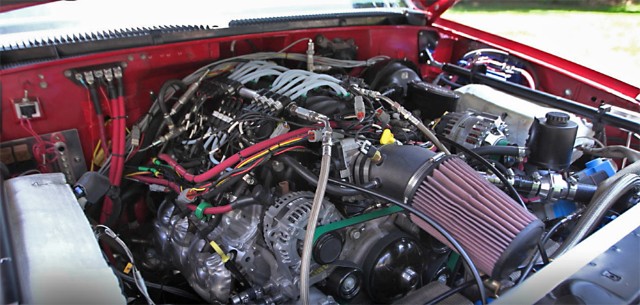
Engine compartment of the ammonia vehicle: to the left and right of the ammonia-powered engine, the two cracking reactors (surrounded by white insulation material) can be seen. © First Ammonia Motors
(Germany) The Fraunhofer Institute for Microtechnology and Microsystems IMM, in collaboration with First Ammonia Motors, has designed an engine that runs exclusively on ammonia. A concept was developed specifically tailored to the properties of ammonia. Unlike other ammonia engines, this engine does not require any additional fuel such as gasoline, coal gas, or methanol to accelerate combustion. Instead, the engine's waste heat is used to split ammonia and thus produce hydrogen on board. The exhaust gases are water vapor and nitrogen. The use of ammonia opens up "new perspectives for areas where direct electrification is only possible to a limited extent." These include stationary power supply, maritime applications, and heavy-duty transport.
+ + + + +
(Germany) The EU is funding a Bremen hydrogen project with the unwieldy name "Hydrogen in Bremen: Innovations in Mobility, Ports and Clean Transformation" (H2B:IMPACT) with nine million euros. The goal is to establish a "Hydrogen Valley" where hydrogen is not only produced but also stored, distributed, and used. Planned applications include those in the port, industry, construction, and transportation, which will be tested in real-world operation for at least two years. The project has already started and will run for five years.
+ + + + +
Photo above
iStock / © Danil Melekhin



