
(Moree, Australia) – Funding has been secured for the "Good Earth Green Hydrogen and Ammonia" (GEGHA) project. The aim is to establish "the first green fertilizer supply on Australia's east coast" and offer regional producers competitive, stable prices for their fuels and raw materials. The project is being initiated by Hiringa Energy Ltd., the family-run agricultural company Sundown Pastoral Company, and the government of the Australian state of New South Wales. The National Australia Bank (NAB) is now covering the remaining funding gap.

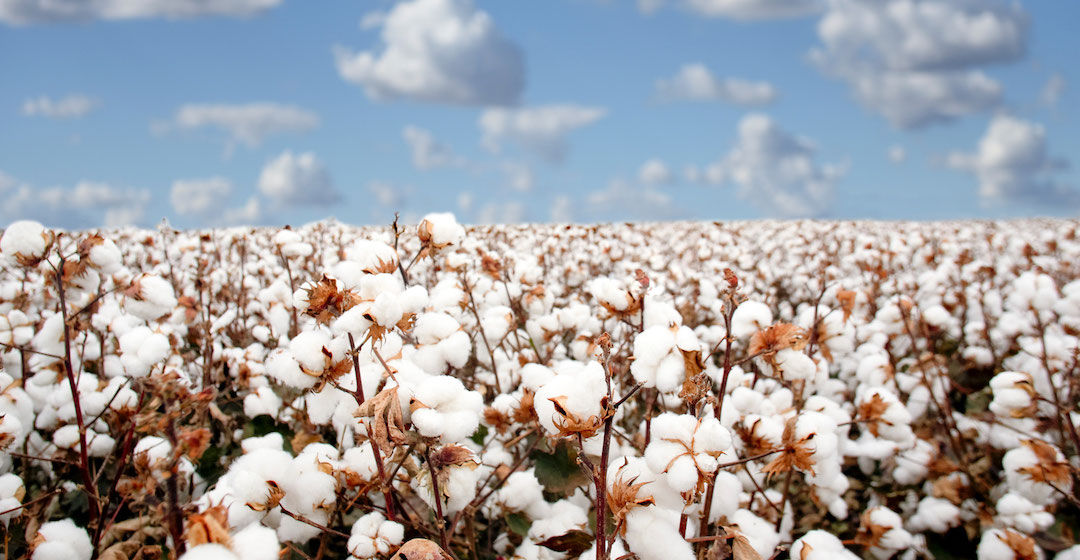
The Keytah cotton farm near Moree (NSW), between Gwydir and Mehi, was purchased by Sundown Pastoral Co. in 1984 and has since developed into one of Australia's largest sustainably managed plantations. According to the company, efficiency programs and innovations have increased yields by 30 percent while simultaneously saving 235 percent of water compared to conventional cotton production. In addition to cotton, wheat, chickpeas, and other legumes are also grown here. © Sundown Pastoral Co.
The plant will use solar power to generate hydrogen, which will then be used to produce ammonia as a raw material for fertilizer. The electrolysis system will have a capacity of 15 megawatts, and a hydrogen storage facility with a capacity of three tons will complement the supply system. The hydrogen will be produced using the output of a new 27-megawatt (MW) PV system. An existing nine-megawatt system will also be used, resulting in a total of 36 MW of solar power. An energy storage facility with a capacity of 41 megawatt hours and a grid connection will also be installed.
The ammonia plant is expected to produce 16 tons daily. A 600-ton storage facility will serve as a backup to cope with fluctuating renewable energy supplies and as a buffer for seasonal ammonia demand. Sundown will purchase the planned annual production of approximately 4.500 tons of ammonia to replace the carbon-rich nitrogen fertilizer produced on its fields, which is currently produced using fossil fuels. Surplus quantities would also be available to other regional producers.
Hydrogen for filling stations and pumps
In addition to ammonia production, the plant will produce approximately 224 tonnes of green hydrogen annually for the Hiringa heavy-duty vehicle refueling network, as well as for use on farms as a replacement for diesel in irrigation pumps, "to further decarbonise the agricultural supply chain from field to port."
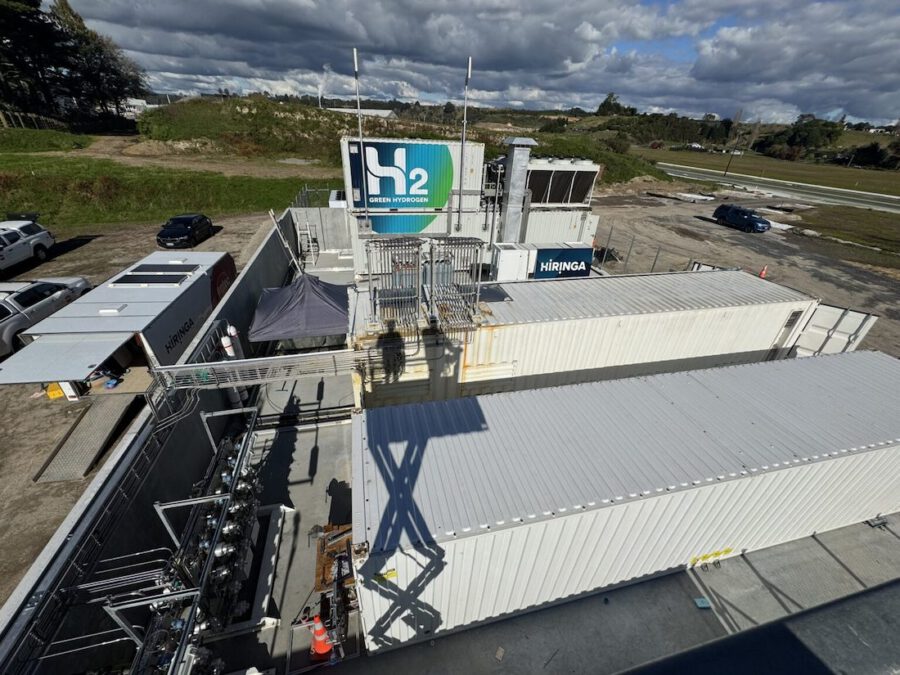
Hiringa has been building a green hydrogen refueling network for heavy-duty vehicles in New Zealand for some time. The photo shows the station in Tauriko, which is scheduled to go into operation this year. It is the fourth of a total of 20 stations the company plans to install in the country by 2030. Hydrogen refueling stations are also planned for Australia. © Hiringa Energy Ltd.
The factory will be built near Moree in northern New South Wales, adjacent to Sundown's Wathagar Cotton Gin cotton ginning joint venture. Construction is scheduled to begin in October of this year, with commissioning scheduled for early 2027. "Green fertilizer approval doesn't just mean the production of low-carbon ammonia," says Andrew Clennett, co-founder and CEO of Hiringa. "It's a model for overcoming barriers that have previously hindered the establishment of these new green industries." Through the strategic partnership with Sundown, the company "aligns demand with supply to meet the immediate needs of the agricultural sector."
Climate-neutral cotton
This is especially important for Sundown's subsidiary Good Earth Cotton, which produces climate-positive and traceable cotton. According to Good Earth Cotton, the operation "reduces more carbon than is emitted during its entire growth life cycle."
According to Hiringa, the GEGHA project concept is scalable and replicable. The company is currently advancing plans for expansion projects in the Riverina and Gwydir regions of New South Wales. Each plant will have an electrolysis capacity of 50 MW to produce approximately 20.000 tons of ammonia annually, meeting demand in the New South Wales and Queensland regions at low distribution costs.
Photo above
Sundown Pastoral Company plans to use green ammonia-based fertilizer on its cotton fields instead of conventional natural gas-based ammonia. © Hiringa Energy Ltd.



