
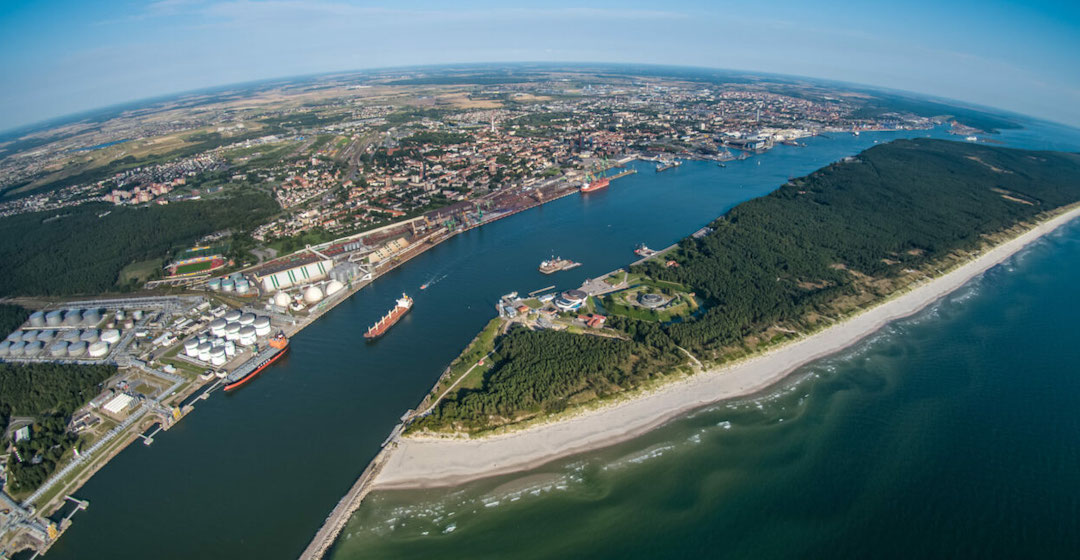
(Klaipėda, Lithuania) – The MT Group will build a hydrogen refueling station in the port of Klaipėda, Lithuania. This will include on-site production of green hydrogen. It will be "the first hydrogen refueling station in the Baltic States." The contract with the state port authority has already been signed. "As a strategic transport hub, the port of Klaipėda has great potential to become a flagship for green technologies in the Baltic Sea region," says Mindaugas Zakaras, CEO of the MT Group.
EPC work in one hand
The engineering service provider will be responsible for the planning, delivery, installation and commissioning of the technical equipment for the station (engineering, procurement, construction, EPC). This includes the installation of the technical systems, the integration of electrical, automation and security systems, the management of the project management and construction process and ensuring the two-year maintenance of the station. The MT Group has already started the preparatory work, construction is scheduled to begin in 2025 and commissioning is scheduled for 2026, according to the port authority.
In the port of Klaipėda, the green hydrogen is produced by electrolysis using a polymer electrolyte membrane (PEM) electrolyzer. The electricity requirement is estimated at three megawatts, the source of which is not mentioned. The station is expected to produce around 500 kilograms of hydrogen per day. The energy source is stored in stationary tanks with a pressure of 550 bar and a very high pressure of 1.000 bar in order to "ensure a reliable and uninterrupted supply".
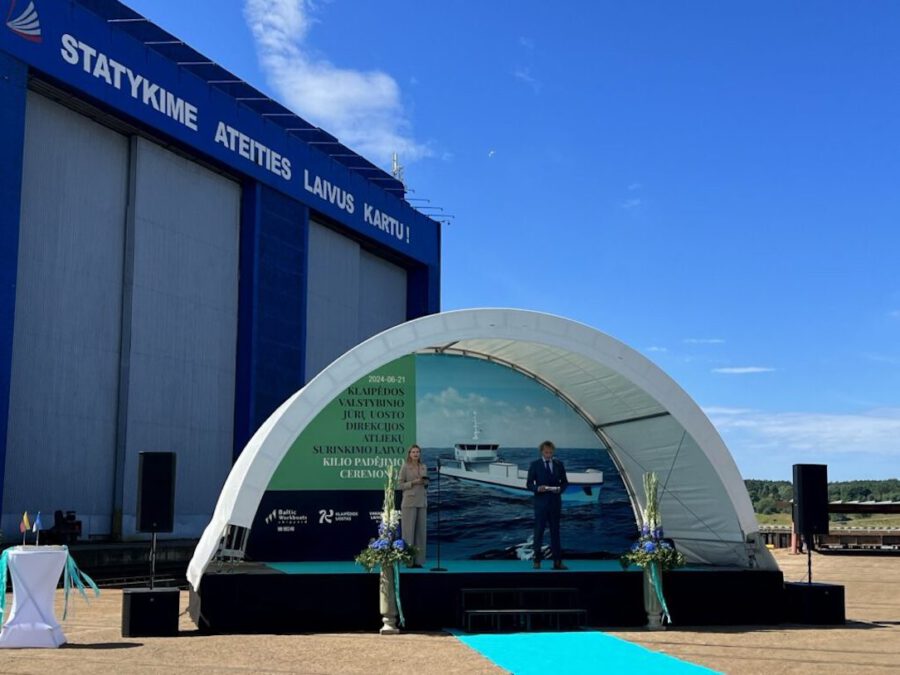
In June, the Klaipėda Port Authority announced the start of construction of a fuel cell-powered waste management vessel in the presence of representatives from politics and business. © Port of Klaipėda
Part of the green hydrogen produced in the port of Klaipėda is used primarily for port operations. According to the port authority, the tanker responsible for collecting waste and cleaning incoming and outgoing ships will in future be powered by fuel cells. It is in use around the clock and also pumps out the oil-soaked bilge water. The ship is 42 meters long, ten meters wide and is equipped with a 400 cubic meter tank for liquid waste.
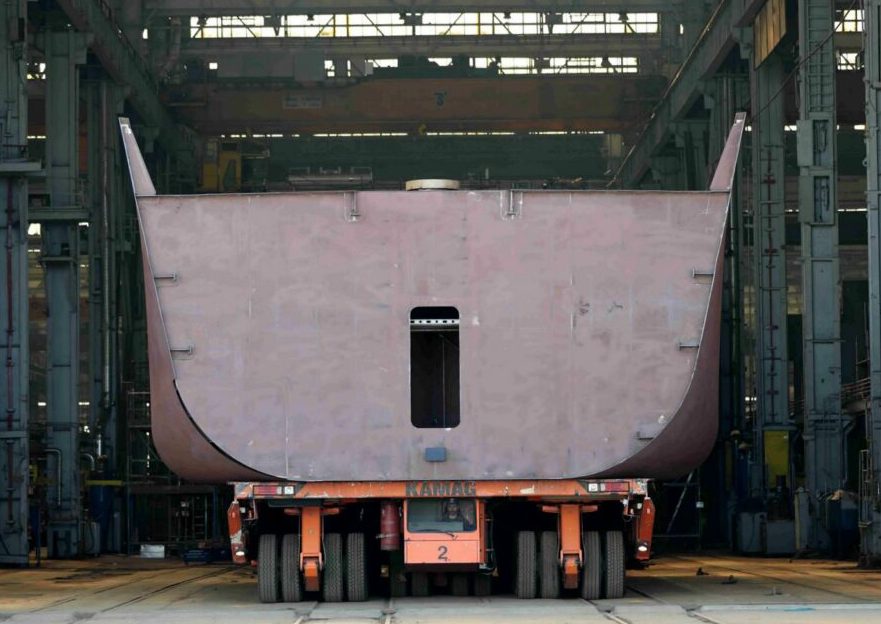
The laid hull of the ship cleaning tanker under construction in the port of Klaipėda. © Port of Klaipėda
The two electric motors powered by fuel cells are supplemented by batteries with a capacity of 2.000 kilowatt hours, which enables continuous operation for 36 hours; only then does hydrogen need to be refueled again.
Construction of the watercraft, estimated at a cost of twelve million euros, began in June with the laying of the keel at the Lithuanian shipyard Western Baltija Shipbuilding. The Estonian company Baltic Workboats is also involved. Commissioning is planned for the end of next year.
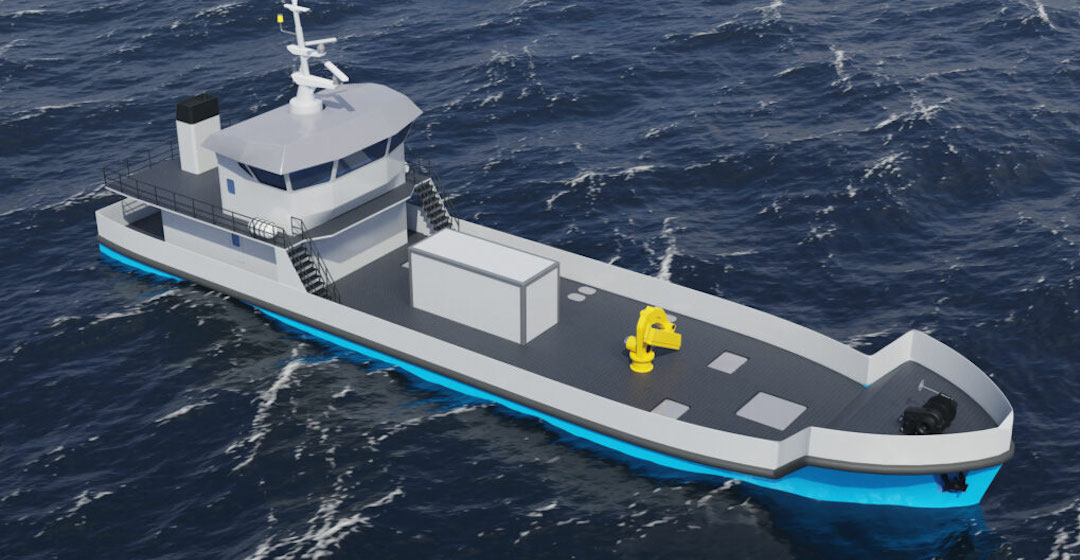
Rendering: Fuel cells generate the drive current and store it in batteries, which should enable 36 hours of uninterrupted operation. © Port of Klaipėda
The remaining hydrogen produced in the port will then be used by rail and (also private) road vehicles. Some companies located in the port have also already shown interest in using hydrogen. Refueling of commercial ships is also planned for the future.
The gas station in the port, including the construction of the infrastructure, costs a total of around 10,5 million euros, of which around six million euros come from the European Union.
Photo above
The port of Klaipėda in Lithuania is getting a hydrogen filling station, primarily for port operations but also for industrial use. © Port of Klaipėda



