
(Palos de la Frontera, Spain) – Thyssenkrupp Nucera is to supply the Spanish oil and gas station operator Compañía Española de Petróleos SAU (Cepsa) with electrolysis plants with a capacity of 300 megawatts (MW). The project will utilize 15 standardized "Scalum" modules, each with a capacity of 20 MW. Thyssenkrupp will also provide a basic engineering package for a green hydrogen production system, developing the design and construction up to the final investment decision (FID).
The mineral oil company Cepsa not only wants to refine more mineral oil, but also wants to produce green hydrogen in the future. Thyssenkrupp and Siemens are to supply electrolysers for this. © Cepsa SAU
In the first phase, a plant will be built in the Cepsa Energy Park in La Rábida, in Palos de la Frontera (Huelva), as part of the partnership with the fertilizer manufacturer Fertiberia. The production capacity is 47.000 tons of green hydrogen per year. Cepsa is developing the Andalusian “Green Hydrogen Valley” as part of an ecosystem of European alliances. It should become Europe's largest green hydrogen center. “Our intended collaboration with Thyssenkrupp Nucera brings together leading companies to create a European green hydrogen value chain and accelerate decarbonization across the continent,” says Carlos Barrasa, Cepsa’s Executive Vice President of Commercial and Clean Energies.
Thyssenkrupp Nucera's alkaline water electrolysis is also used in other projects. With a total output of more than 700 MW, the Scalum modules supplied H2 Green Steel's green steelworks in Sweden, according to the company. Air Products in Saudi Arabia will use them for its more than two gigawatt electrolysis plant in the city of Neom, Saudi Arabia, which is currently under development.
100 megawatts from Siemens
In addition to the agreement with Thyssenkrupp, Cepsa also wants to use technology from Siemens Energy for its major project in Huelva. The group should supply electrolyzers based on “Proton Exchange Membrane” technology (PEM) with an output of 100 MW. This total order for electrolyzers with a cumulative output of 400 MW is currently the “largest in southern Europe”.
The combination of technologies is “a crucial step for the Green Hydrogen Valley,” says the company. “This allows Cepsa to manage the technological risk to ensure the supply of our customers,” says Carlos Barrasa.
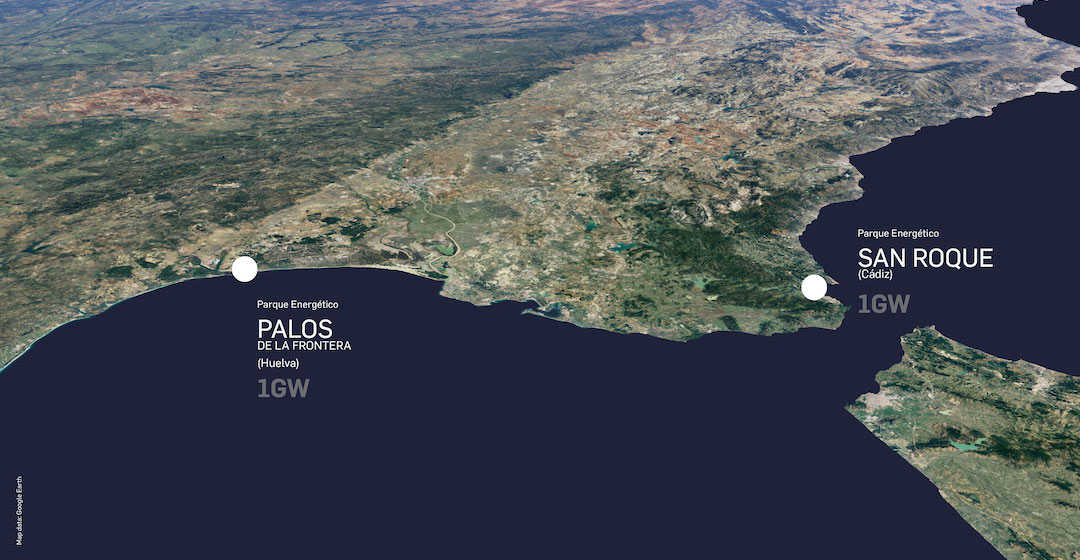
Cepsa plans to install a green hydrogen production capacity of two gigawatts in southern Spain by 2030, with one gigawatt each in Huelva and Cádiz. To generate the renewable energy required for production, Cepsa will, as previously reported, develop a portfolio of seven gigawatts of wind and solar projects and simultaneously collaborate with other renewable energy producers in Andalusia to promote the integration of these new facilities into the electricity grid, the company explained when presenting its plans in October 2022 .
Photos
Cepsa not only wants to use hydrogen locally, but also transport the derivatives from southern Spain to Rotterdam. According to the company, the two planned energy parks in Cádiz and Huelva have a well-developed industrial infrastructure as well as direct access to the sea. © Cepsa SAU



