
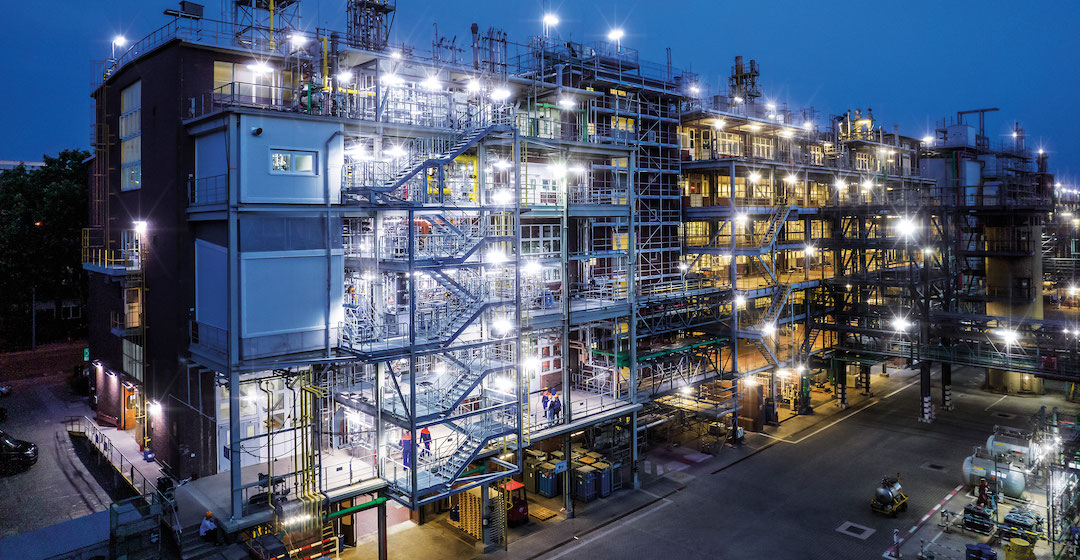
(Ludwigshafen, Germany // Houston, USA) – The German chemical company BASF SE and the US oil and gas company ExxonMobil Corp. plan to jointly develop methane pyrolysis technology for the production of gray hydrogen. To validate its use on an industrial scale, the companies plan to build a demonstration plant at ExxonMobil's Baytown complex in Texas, where it will produce up to 2.000 tons of low-emission hydrogen and 6.000 tons of solid carbon annually.
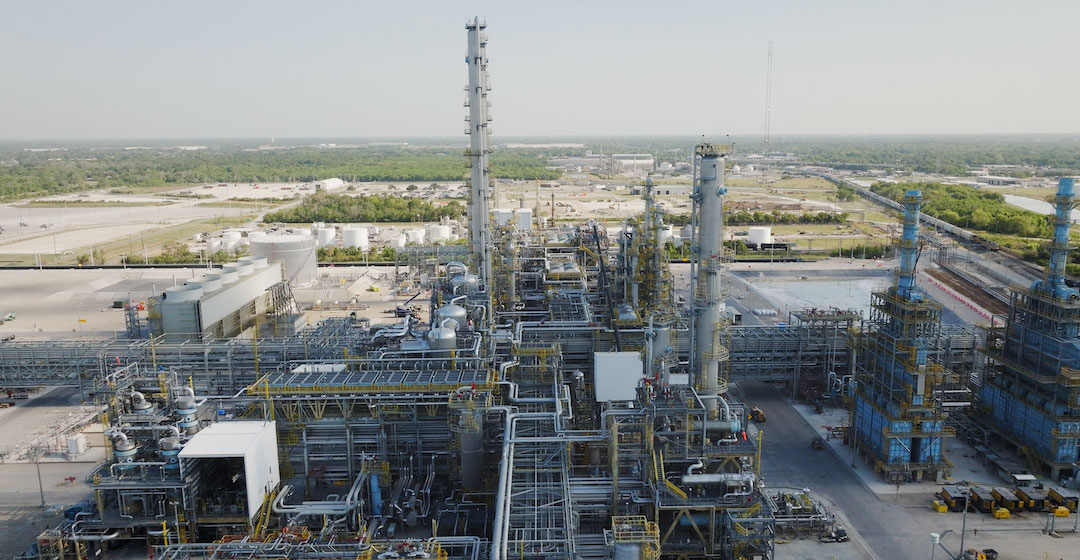
ExxonMobil's Baytown refinery in Texas: Future site for an industrial-scale methane pyrolysis demonstration plant. © ExxonMobil Corp.
In methane pyrolysis, natural gas or other gases such as biomethane are converted into hydrogen and solid carbon using electricity, explains BASF. Unlike conventional hydrogen production methods such as steam reforming of methane, this technology produces no process-related CO2 emissions, requires about five times less electrical energy than water electrolysis, and does not require water. Furthermore, it utilizes the existing natural gas infrastructure. Since no CO2 emissions are produced, it is particularly attractive for regions where carbon capture and storage presents geological, technical, or political challenges.
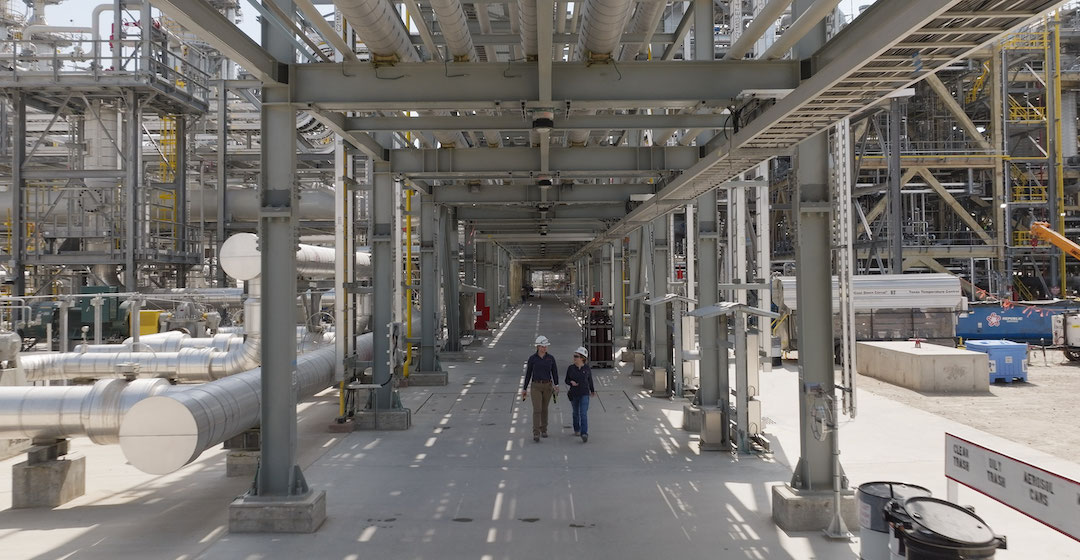
Back in 2023, ExxonMobil had already invested two billion dollars in two new polymer production lines at its Baytown chemical complex. © ExxonMobil Corp.
“We have been working on this technology for more than a decade and have developed a reactor concept that we have successfully validated in our test facility in Ludwigshafen,” says Stephan Kothrade, Member of the Board of Executive Directors and Chief Technology Officer at BASF. Hydrogen is both an important energy carrier and “an indispensable raw material in the chemical industry.” The solid carbon is used, among other things, in steel and aluminum production as well as in the manufacture of battery materials.
The joint strategy now being pursued will accelerate the development of low-emission hydrogen, says Mike Zamora, President of ExxonMobil Technology and Engineering Company. "Methane pyrolysis holds significant potential, particularly in regions where conventional carbon capture and storage solutions are less practical."
Photo above
BASF SE's pilot plant for methane pyrolysis in Ludwigshafen: The company has further developed the technology in recent years as part of a project funded by the German Federal Ministry for Research, Technology and Space. © BASF SE



